By Bauyrzhan Zhaxylykov
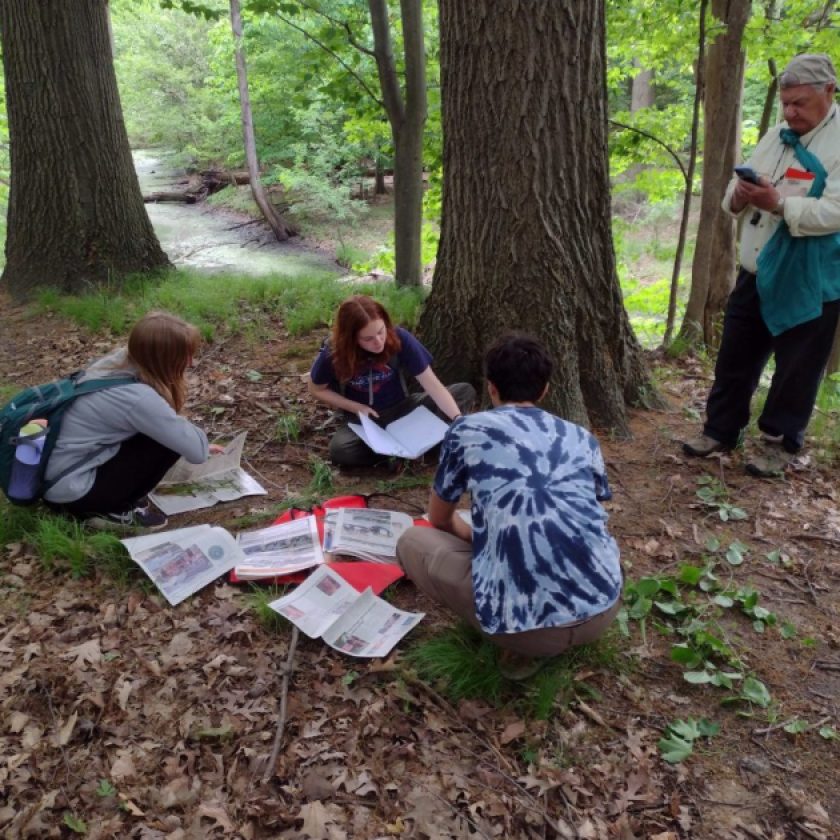
Surrounded by busy roads, neighborhoods and businesses, Ken-O-Sha Park doesn’t look like one of Michigan’s most valuable forests. But a new study found the 100-acre park in Grand Rapids is home to one of the state’s highest-quality remaining forests.
By Domonic Marroni
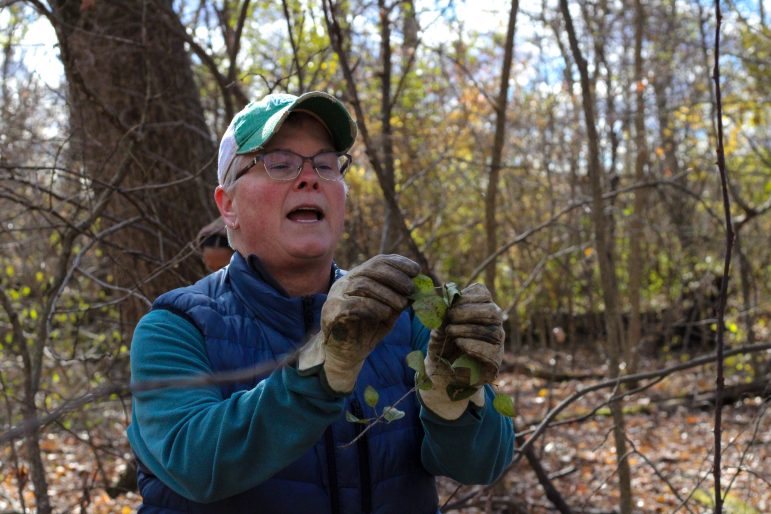
In Ann Arbor, Michigan, Skyline High School's natural areas are home to several species of invasive plants causing widespread destruction of surrounding trees. These species pose potential fire hazards and are dangerous to public health. Action is needed, say several environmental experts, to avert future disasters and
By Anna Barnes
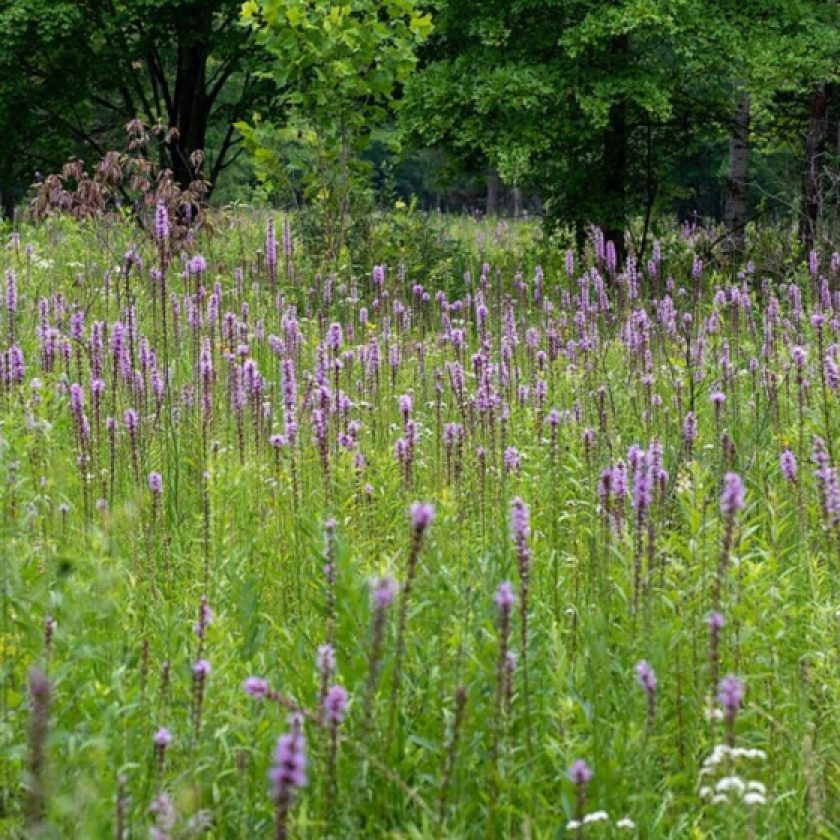
In Michigan, sugar maple populations are rising and eastern redbud trees are making their way north, while coniferous trees, like the black spruce, continue to decline. One suspected cause: climate warming.
Members of the Huron Bruce Nature (HBN) club enjoyed the artistic photography of Rob Wray at their June 23 meeting in Point Clark. Rob Wray, a member of both the Owen Sound Field Naturalist Club and the Bruce Birding Club, has come to photography and birding only in the last
It was a beautiful Saturday morning on May 30 at the Bruce Botanical Food Gardens (BBFG). Twenty-five For Our Youth (FOY) members joined together to learn about horticulture. They were especially excited because today was the day they were planning their own garden patch for the year. Leader Rhonda Curran
By Carly Carter
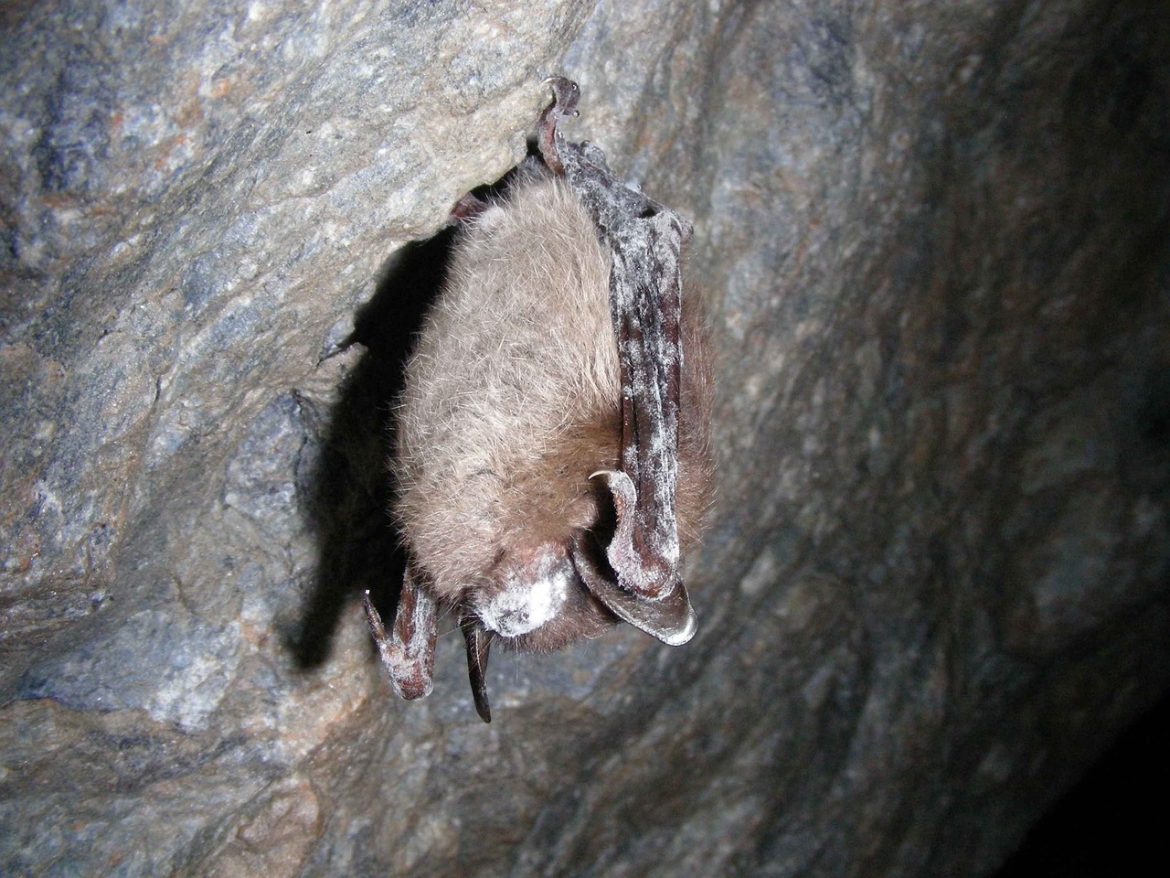
Bat populations are plummeting in Minnesota as the deadly white-nose syndrome spreads across caves.
By Samantha Plunkett
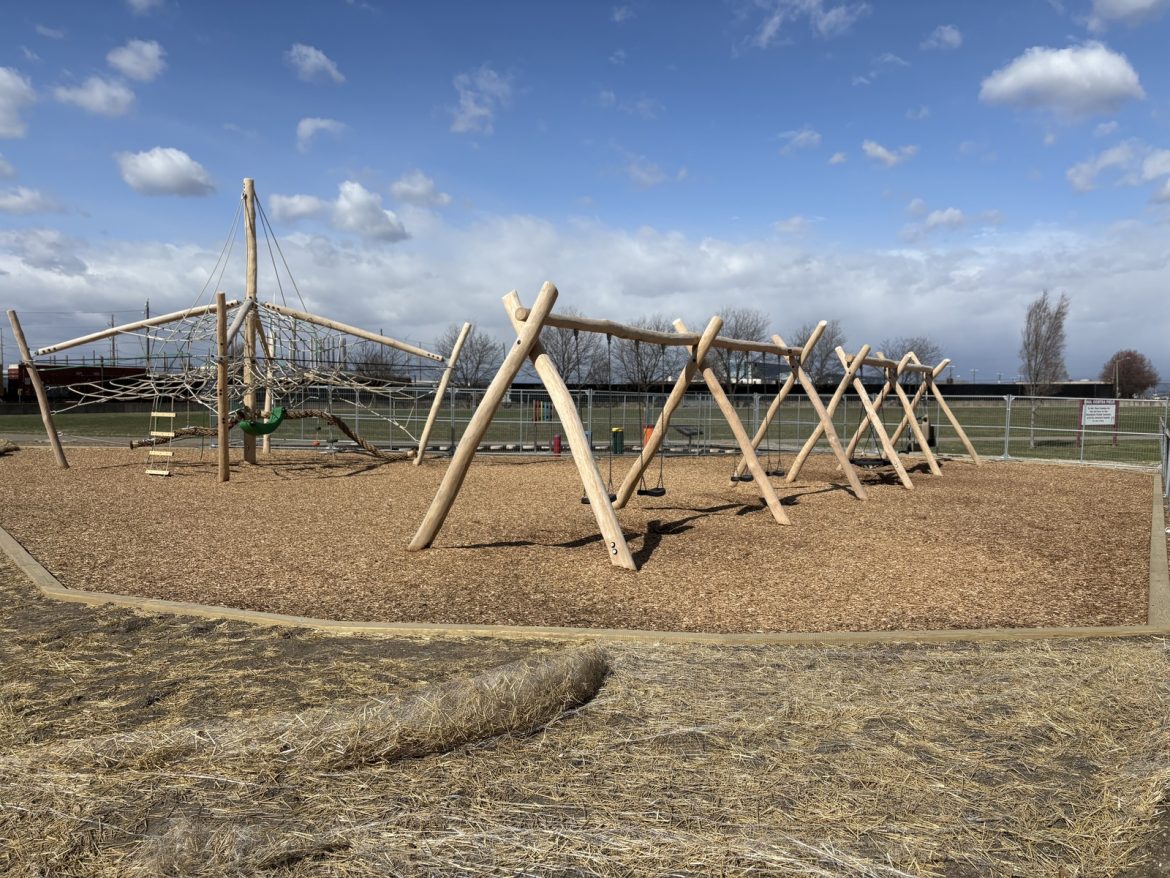
For residents of Dearborn, Michigan, creating greenspaces in the community has been an important mission for schools and researchers. In a recent study, academics from the University of Michigan-Dearborn partnered with Salina schools to assess their outdoor play spaces.
By Anna Ironside
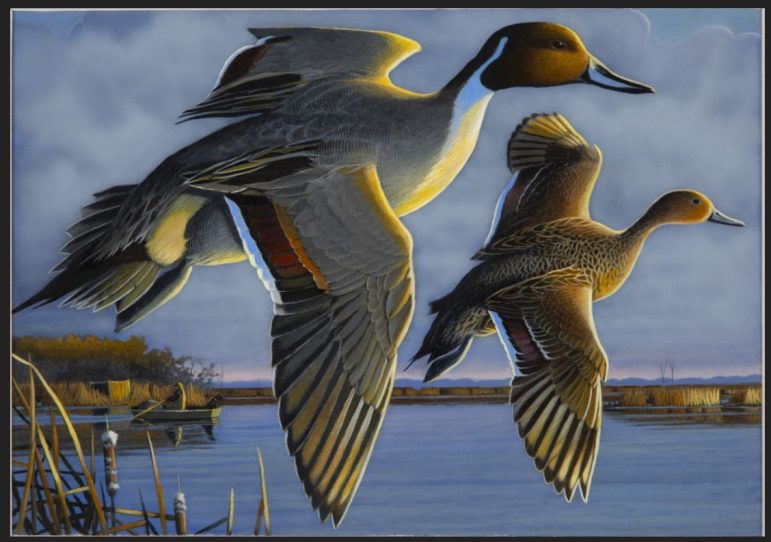
Postage stamps featuring wildlife are helping to fund conservation and bring awareness to communities about habitat protection throughout the Great Lakes region by centering species like the wood duck (Aix sponsa), wild turkey (Meleagris gallopavo) and piping plover (Charadrius melodus).
By Justin Fox Clausen
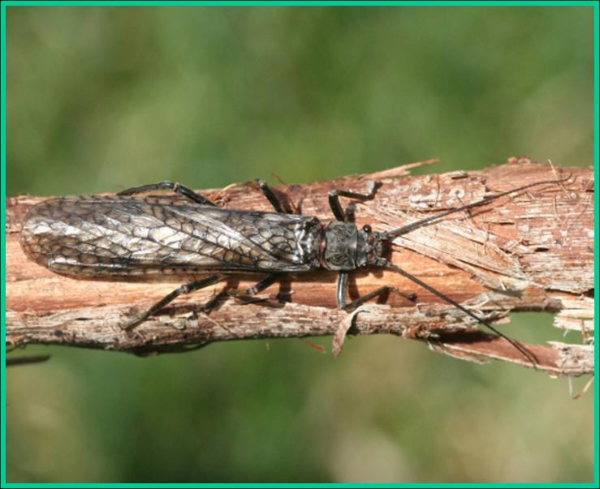
Two insects are under consideration as Michigan's official state insect: the stonefly and, more recently, the Huron River leafhopper. The state is one of two in the country without an official insect.
Two Tree River, a small river on St. Joesph Island in Ontario, has been identified as a Key Biodiversity Area because it is the home of Canada’s northernmost population of […]
By Anna Ironside
Caroline Miller is a botanical technologist at Michigan State University’s W.J. Beal Botanical Garden, as well as a master’s student. Her work has made her a driving force behind restoration projects on campus and beyond. From invasive species removal days to a growing movement to replace traditional turf lawns with
By Kyrmyzy Turebayeva
In the late 1970s, when most wildlife conservation programs in the United States focused almost exclusively on game species, a quiet but historic shift began in Minnesota. It was here that one of the nation’s first state programs dedicated to protecting so-called nongame wildlife emerged from butterflies