Two Ojibwe tribes say a proposed Minnesota permit giving U.S. Steel’s Minntac mine up to 45 years to meet sulfate pollution limits is far too long, citing the loss of […]

Two Ojibwe tribes say a proposed Minnesota permit giving U.S. Steel’s Minntac mine up to 45 years to meet sulfate pollution limits is far too long, citing the loss of […]

Tags
Great Lakes Commission, mining, Minnesota, News, Ojibwe, Pollution, steel

Source


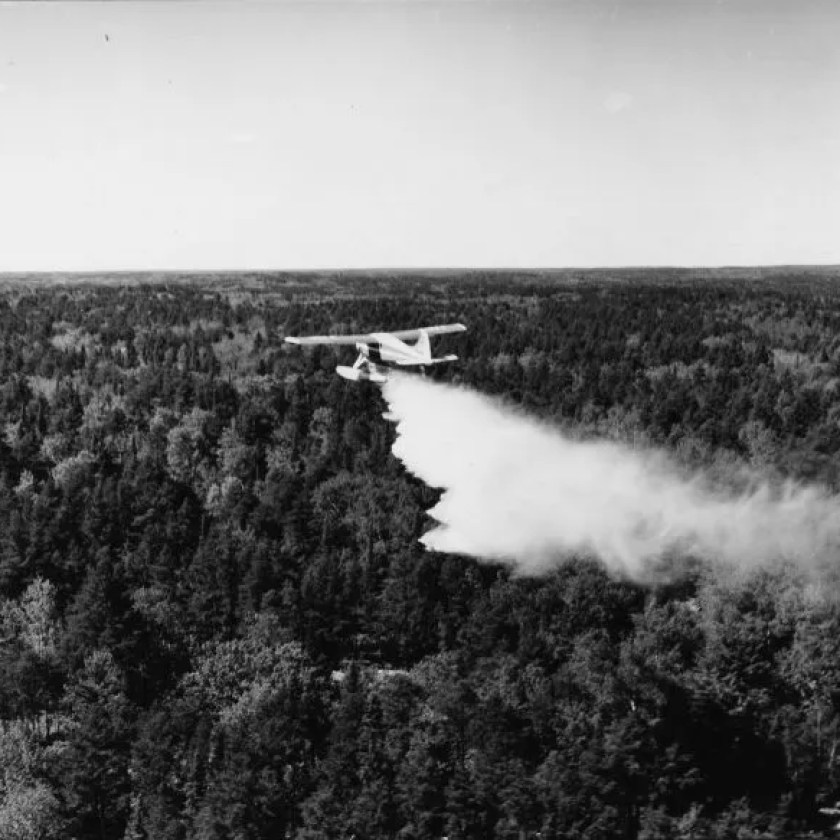
By Victoria Witke Wildfire risk is predicted to stay elevated in the Upper Midwest from drought and high winds. That’s risky for the region’s pristine inland lakes, but land managers are working to reduce wildfire risk in the Northwoods with controlled burns.

By Victoria Witke Wildfire risk is predicted to stay elevated in the Upper Midwest from drought and high winds. That’s risky for the region’s pristine inland lakes, but land managers are working to reduce wildfire risk in the Northwoods with controlled burns.

Tags
Great Lakes Echo, 2021, boundary waters, budget, Buildings, Carbon, changes, Chicago, circle of blue, climate, Climate change, controlled burns, Damage, Dead, Diversity, down, drought, ecosystems, federal, Federal government, Fire, Fires, forest, forests, found, fuel, GE, Government, Great Lakes, groundwater, growth, History, Homes, Indigenous, Indigenous Communities, inland lakes, Journalism, June, lake, Lake Superior, lakes, Letters, manager, Minnesota, National, national park service, new, News, nitrogen, north, North America, north carolina, Ojibwe, open, Other, phosphorus, plan, plants, protect, red, Region, Research, resilience, RISK, saw, service, social, study, summer, sun, time, Trees, U.S. Forest Service, university, Water, water quality, waves, who, wildfire, Wildfires, Wildlife, Wisconsin, work, World

Source


By Victoria Witke

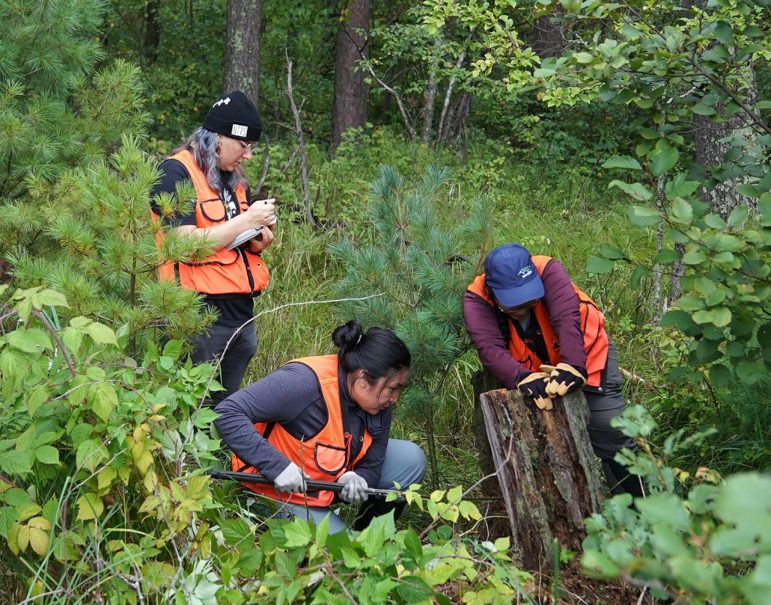
New research shows Anishinaabe fire practices shaped today’s Great Lakes ecosystems. The region’s forests never existed and can’t continue to exist without people – or fire.

The post Anishinaabe fire practices shaped Great Lakes ecosystems, new research shows first appeared on Great Lakes Echo.

Tags
Great Lakes Echo, climate, Climate change, college, Community, conditions, council, Department, ecosystems, Events, Fire, Fires, first, followed, forest, found, Government, Great Lakes, Indigenous, kids, killed, lake, Lake Superior, lakes, Lead, light, Lighting, Lightning, location, Minnesota, National, National Science Foundation, new, Ojibwe, open, Other, plan, plants, Policy, red, Region, Research, resilience, return, RISK, Science, service, show, Space, Students, study, support, sustainable, Trails, Trees, U.S. Forest Service, university, Western, who, wildfire, Wildfires, Wildlife, Wisconsin, work

Source


As a result of warming waters, increasingly variable seasonal changes and lakeshore development, walleye numbers in some lakes are dwindling. Losing the species would mean losing a food source for […]


As a result of warming waters, increasingly variable seasonal changes and lakeshore development, walleye numbers in some lakes are dwindling. Losing the species would mean losing a food source for […]


Tags
Great Lakes Commission, changes, climate, Climate change, Community, development, fish, Food, Indigenous, Indigenous Communities, lakes, nature, News, Ojibwe, Other, Source

Source