By Bauyrzhan Zhaxylykov
Nearly half of Great Lakes beachgoers rarely or never check water quality before swimming, according to a new study by researchers at Toronto Metropolitan University.
Eight New York State Park beaches were closed to swimming due to water quality concerns, including elevated bacteria levels, harmful algal blooms, and impacts from recent rainfall. State officials continue […]
By Anna Barnes
Michigan's supply of nitrogen and phosphorus-based fertilizers has taken a hit from shipping disruptions caused by the U.S. war with Iran. High prices and historic flooding are causing problems for the state's corn and soybean farmers.
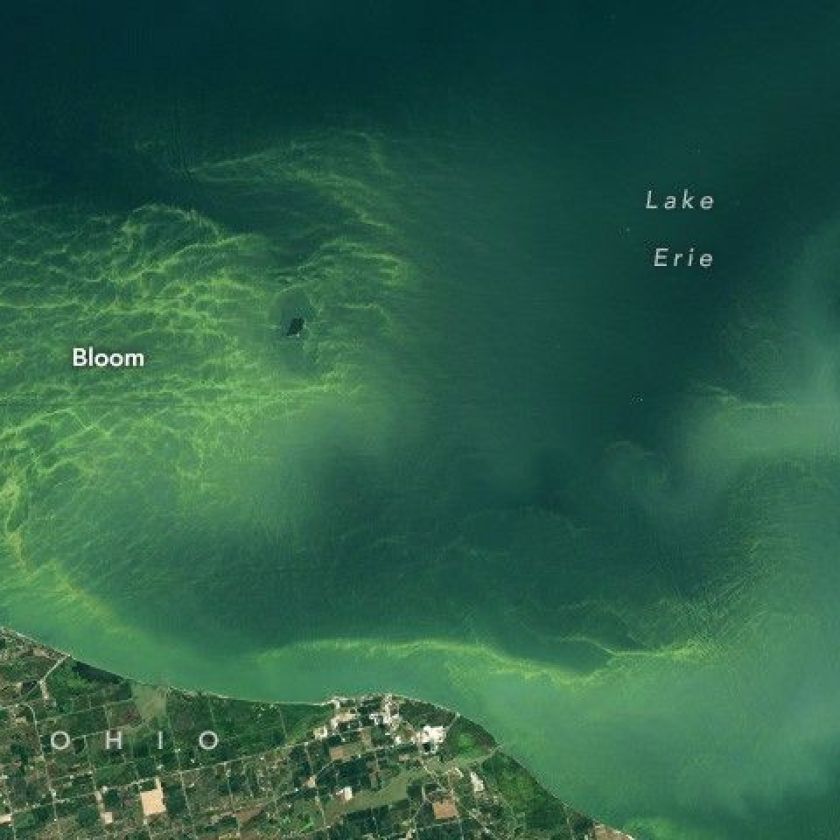
Officials with the National Oceanic Atmospheric Administration predict that western Lake Erie’s algal blooms will be moderately harmful and should be visible in mid-July. Read the full story by Spectrum […]
A new University of Michigan study shows harmful algal blooms produce a greater range of toxic compounds than previously known. Read the full story by the Detroit Free Press.
A new report released by several Michigan state agencies says monitoring, farm conservation programs and wastewater upgrades are helping reduce phosphorus flowing into western Lake Erie, but it stops short […]
A network of scientific buoys is being deployed across Lake Erie for the summer season to provide real-time data on wave conditions, water temperature, wind, and water quality for boaters, […]
Researchers are trying to determine how blue-green algae toxins affect people’s health when breathed through the air. Residents age 10 and older, who live, work, or recreate near Lake Erie […]
Ann Arbor, Michigan — The Great Lakes Commission (GLC) today released its 2026 agenda for the Great Lakes. The binational government agency calls for continued strategic investment in the lakes,
Ohio Sea Grant has released the 2025 research findings update for the statewide Harmful Algal Bloom Research Initiative (HABRI). Created in the aftermath of the 2014 Toledo water crisis, HABRI […]