By Eric Freedman
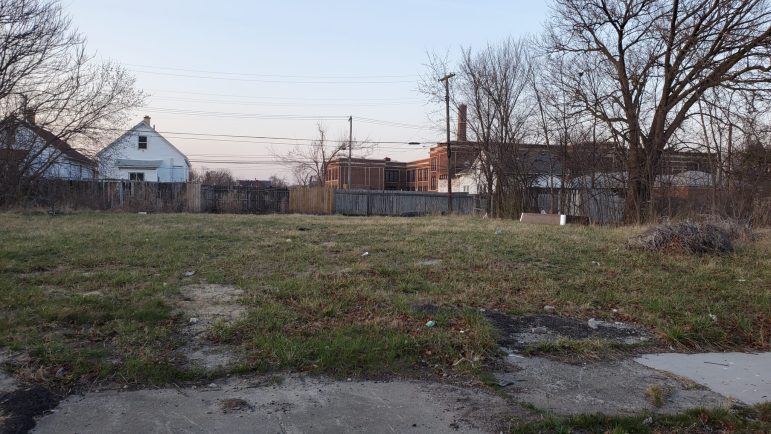
Empty lots in deindustrialized cities like Detroit may contribute to bird species diversity, says a new study by researchers at MSU and Carleton University in Canada. The study is based on sound recordings collected at 110 sites in 11 Detroit neighborhoods. The study recommends that vacant land management in the city takes a balanced approach that considers the needs of both residents and birds. There are other concerns about vacant land, too, including as sites for solar arrays.
The post Vacant lots boost diversity among Detroit’s birds, study finds first appeared on Great Lakes Echo.By Eric Freedman
Empty lots in deindustrialized cities like Detroit may contribute to bird species diversity, says a new study by researchers at MSU and Carleton University in Canada. The study is based on sound recordings collected at 110 sites in 11 Detroit neighborhoods. The study recommends that vacant land management in the city takes a balanced approach that considers the needs of both residents and birds. There are other concerns about vacant land, too, including as sites for solar arrays.
The post Vacant lots boost diversity among Detroit’s birds, study finds first appeared on Great Lakes Echo.By Victoria Witke
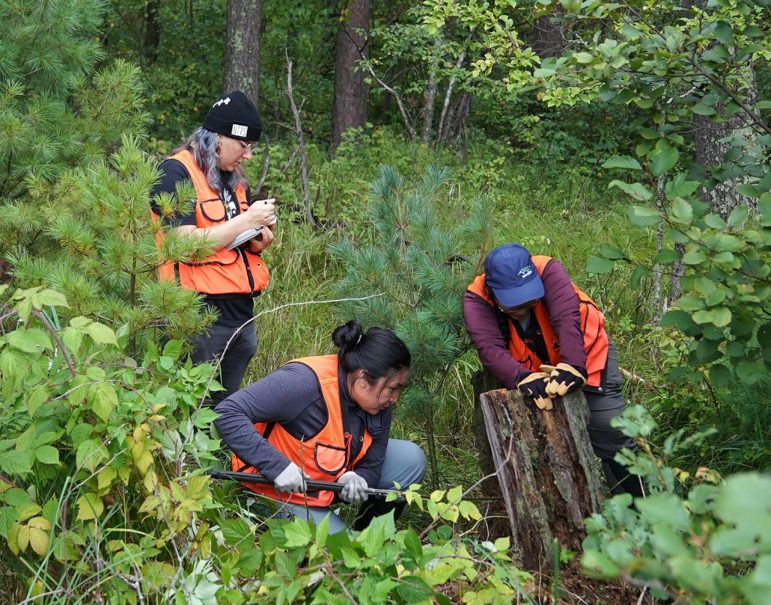
New research shows Anishinaabe fire practices shaped today’s Great Lakes ecosystems. The region’s forests never existed and can’t continue to exist without people – or fire.
The post Anishinaabe fire practices shaped Great Lakes ecosystems, new research shows first appeared on Great Lakes Echo.By Victoria Witke
New research shows Anishinaabe fire practices shaped today’s Great Lakes ecosystems. The region’s forests never existed and can’t continue to exist without people – or fire.
The post Anishinaabe fire practices shaped Great Lakes ecosystems, new research shows first appeared on Great Lakes Echo.By Kyrmyzy Turebayeva
In the late 1970s, when most wildlife conservation programs in the United States focused almost exclusively on game species, a quiet but historic shift began in Minnesota. It was here that one of the nation’s first state programs dedicated to protecting so-called nongame wildlife emerged from butterflies and bats to bald eagles and river otters. That story is now told in detail by Carrol Henderson in his new book, “A National Legacy: Fifty Years of Nongame Wildlife Conservation in Minnesota."
The post From otters to butterflies: How Minnesota became a pioneer in nongame wildlife conservation first appeared on Great Lakes Echo.By Kyrmyzy Turebayeva
In the late 1970s, when most wildlife conservation programs in the United States focused almost exclusively on game species, a quiet but historic shift began in Minnesota. It was here that one of the nation’s first state programs dedicated to protecting so-called nongame wildlife emerged from butterflies and bats to bald eagles and river otters. That story is now told in detail by Carrol Henderson in his new book, “A National Legacy: Fifty Years of Nongame Wildlife Conservation in Minnesota."
The post From otters to butterflies: How Minnesota became a pioneer in nongame wildlife conservation first appeared on Great Lakes Echo.By Bauyrzhan Zhaxylykov
Across Michigan, religious institutions, local governments, schools and nonprofits are turning to a federal program called Elective Pay to help pay for solar panels and other clean-energy projects.
The post Federal program can help nonprofits cover costs of clean-energy projects first appeared on Great Lakes Echo.By Bauyrzhan Zhaxylykov
Across Michigan, religious institutions, local governments, schools and nonprofits are turning to a federal program called Elective Pay to help pay for solar panels and other clean-energy projects.
The post Federal program can help nonprofits cover costs of clean-energy projects first appeared on Great Lakes Echo.