By Bauyrzhan Zhaxylykov
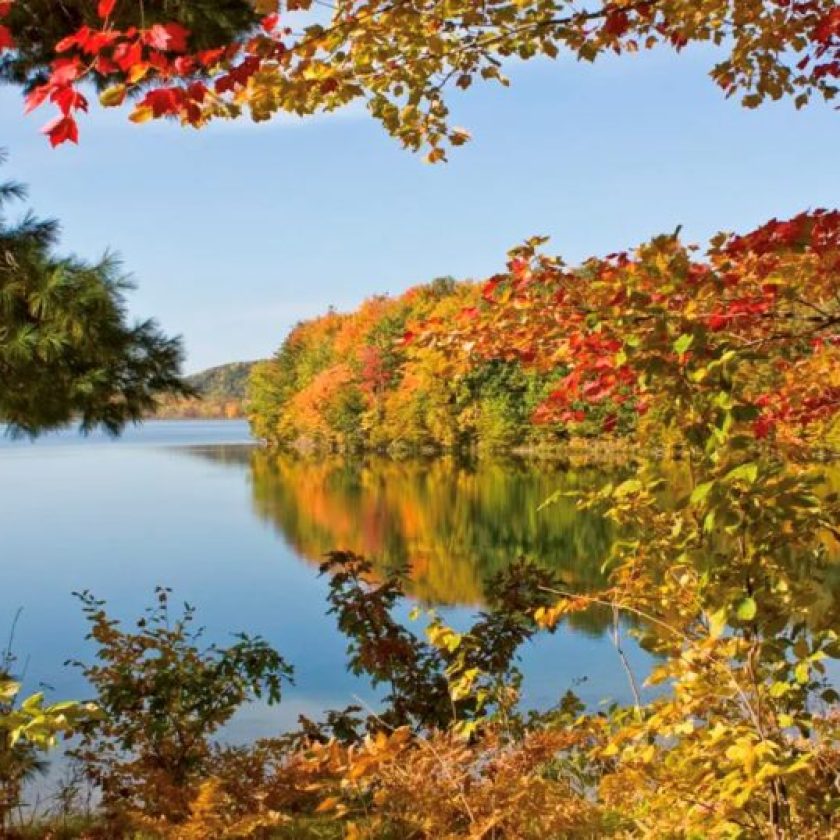
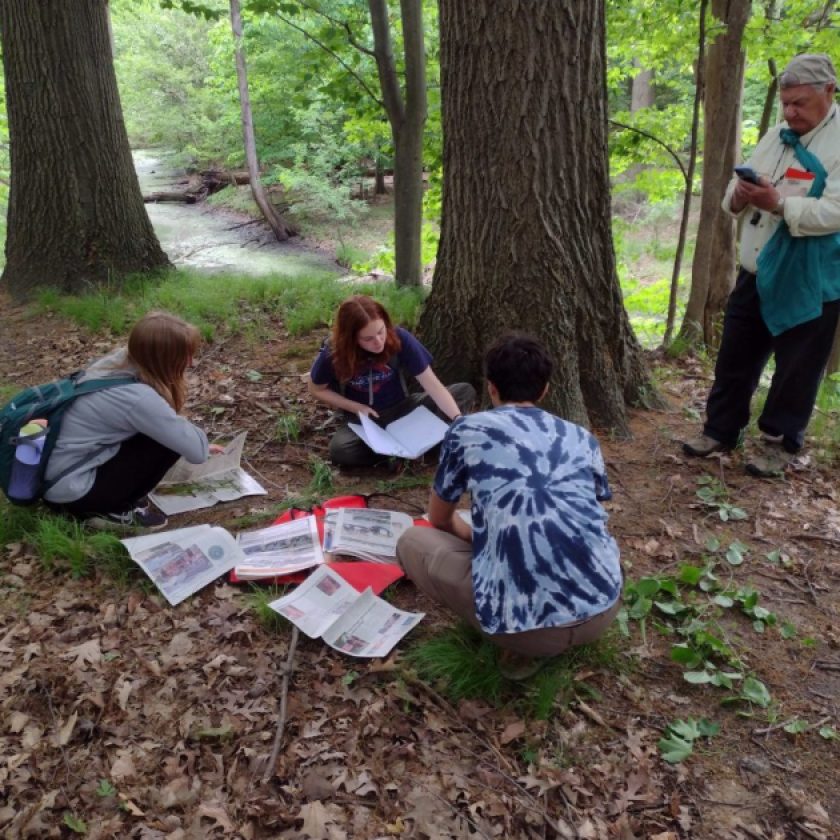
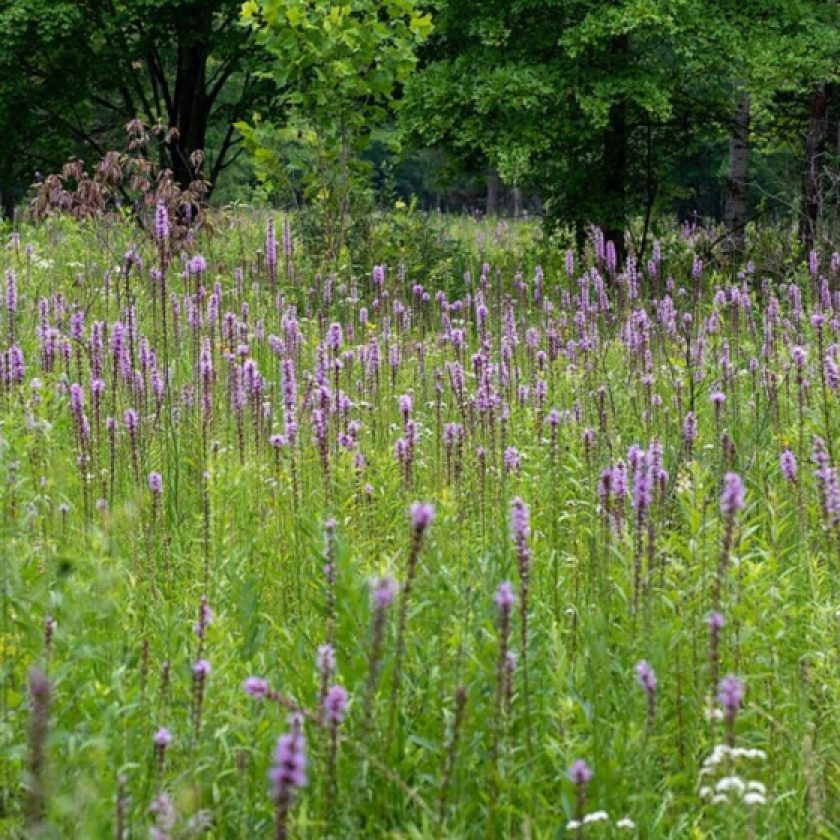
Surrounded by busy roads, neighborhoods and businesses, Ken-O-Sha Park doesn’t look like one of Michigan’s most valuable forests. But a new study found the 100-acre park in Grand Rapids is home to one of the state’s highest-quality remaining forests.
By Julia Roeder
Researchers say ticks are spreading to communities across the Midwest and show no signs of slowing down.
By Kyrmyzy Turebayeva
For Jim Daniels the Rust Belt is defined by people, working families, factory neighborhoods, highways leading north toward the Great Lakes and memories that stay with a person for a lifetime. These themes run throughout his new poetry collection, “Late Invocation for Magic.”
By Anna Barnes
In Michigan, sugar maple populations are rising and eastern redbud trees are making their way north, while coniferous trees, like the black spruce, continue to decline. One suspected cause: climate warming.
By Victoria Witke
Wildfire risk is predicted to stay elevated in the Upper Midwest from drought and high winds. That’s risky for the region’s pristine inland lakes, but land managers are working to reduce wildfire risk in the Northwoods with controlled burns.
By Victoria Witke
Wildfire risk is high in the upper Great Lakes, and research shows that large, scorching wildfires spell trouble for lakes in the region’s remote watersheds.
By Elizabeth McGowan
Researchers are exploring a new approach to controlling invasive sea lamprey populations: Chemicals that disrupt pheromones rather than lampricide.
The Maitland Valley Conservation Authority (MVCA) is expressing significant concerns following the Province’s move to consolidate Ontario’s 36 conservation authorities into nine regional entities. “We’re calling on the Province to halt this amalgamation plan and commit to improving the unique watershed-based conservation system we all benefit from in this province,”
Michigan reduced funding for invasive species projects by $1.2 million. Conservation organizations like the regional Cooperative Invasive Species Management Areas (CISMAs) are rethinking their funding priorities for 2026 and beyond.