
Image

The newly completed, 30-mile-long Keweenaw Point Trail, from Copper Harbor to the eastern tip of Michigan’s Keweenaw Peninsula on Lake Superior, is now open for non-motorized recreation. Read the full […]
Image
Scientists tossed dozens of plastic smoothie shakers with small GPS tracking devises into rivers across the United States and Canada to follow the movement of water bottles and other floating […]
Image
Recent research on Great Lakes coastal wetlands suggests native plant communities can respond quickly after invasive Phragmites australis is removed. Read the full story by Ottawa News Network.
Image
The U.S. Coast Guard is wrapping up its 2026 seasonal evaluation of six autonomous vessels on the Great Lakes ahead of forecasted winter icing conditions, marking another step in the […]
Image
Michigan officials have recommended five invasive plants for new restrictions to protect waterways, agriculture and the environment. Read the full story by MLive.
Image
The eggs of the invasive spongy moth, known to be a voracious consumer of trees, have been discovered for the first time in the Great Lakes region on a vessel […]
Image
The Thousand Islands Land Trust has permanently protected 1,410 acres on Galloo Island on Lake Ontario through a new conservation easement, the largest project by acreage in the organization’s history. […]
Image
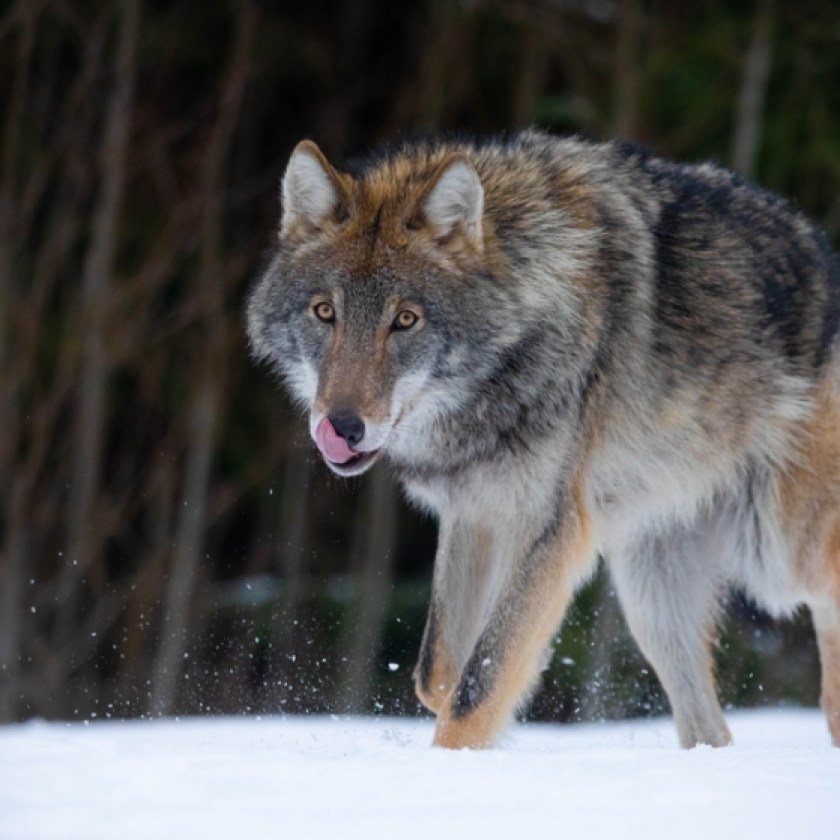
Animals: they’re just like us! All mammals—including humans—use a combination of strategies to get through the long, cold winter. We scarf calories; they scarf calories Groundhogs plump up ahead of … Continued
The post 3 winter survival strategies that prove wild animals are just like us appeared first on Cottage
Image
The Indigenous Great Lakes Network (IGLN) held its Annual Gathering in Grand Bend, Ontario, from October 27–29. The theme of the Gathering was ‘Create & Collaborate,’ continuing the IGLN era […]
Image
November 10 is a somber day on the Great Lakes; not only is it the day that the SS Edmund Fitzgerald sank on Lake Superior in 1975, but 62 years […]
Image
Commercial, sport and tribal fishers in the Wisconsin waters of Lake Superior will be able to harvest 15% fewer lake trout in the 2027 seasons. The Wisconsin Natural Resources Board […]