By Kyrmyzy Turebayeva
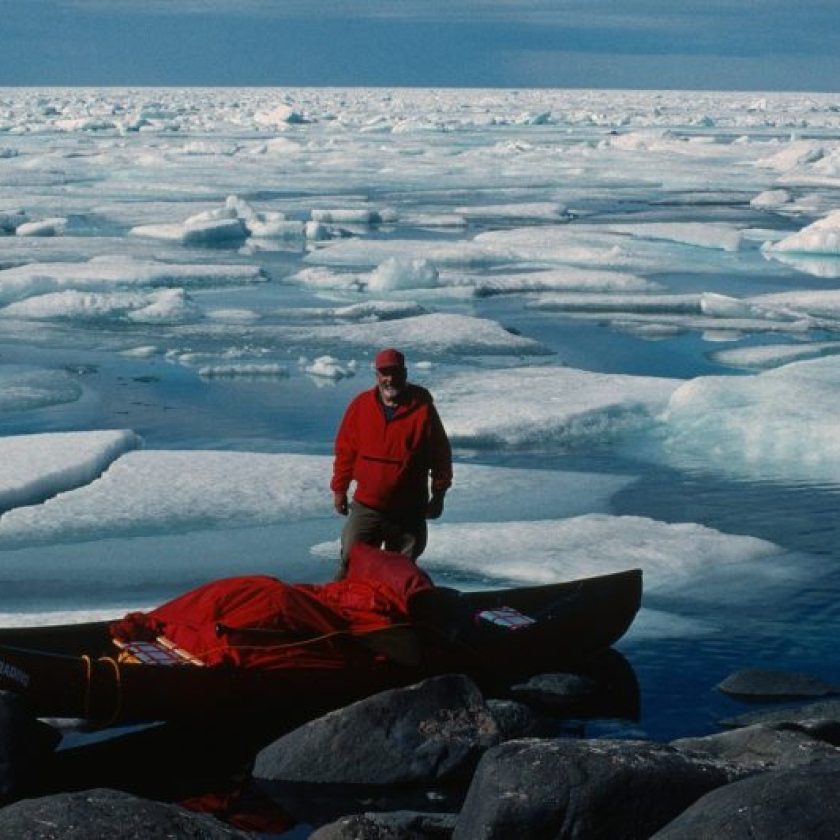
“Where the Green Light Shines: A Fifty-Year Odyssey from the Boundary Waters to the Far North” features legendary canoeist Bob O'Hara and his adventures from the Boundary Waters to remote rivers of the Canadian Far North.
By Anna Barnes
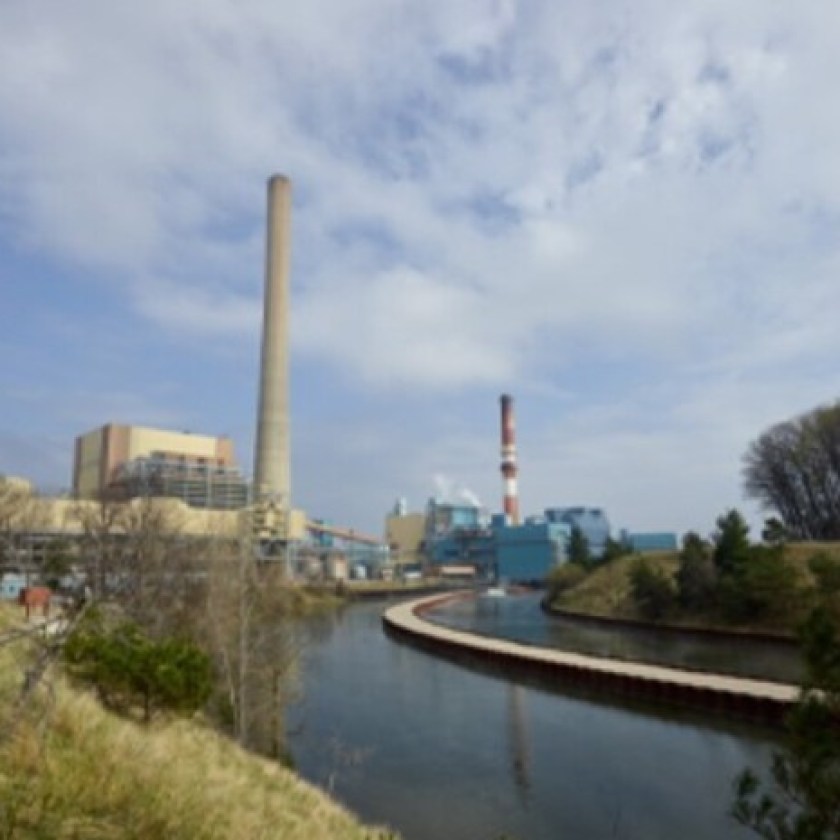
Michigan Attorney General Dana Nessel plans to file another request for rehearing with the U.S. Department of Energy over a coal-fired power plant near Lake Michigan operated by Consumers Energy.
Long-running research at the Experimental Lakes Area in Ontario is geared toward persuading leaders in the United States and Canada to combat the growing, unchecked threat of microplastics to the […]
By Kyrmyzy Turebayeva
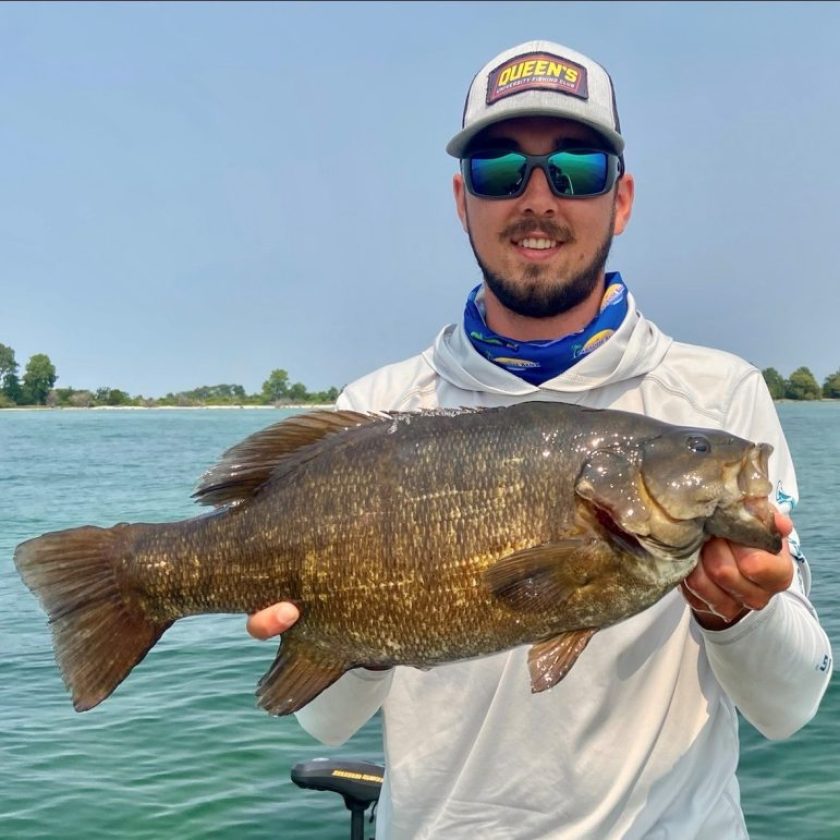
A new study based on data from competitive angling events in the Great Lakes found that more than 20% of black bass weighed-in at these events are over 10 years old.
By Bauyrzhan Zhaxylykov
Nearly half of Great Lakes beachgoers rarely or never check water quality before swimming, according to a new study by researchers at Toronto Metropolitan University.
By Kyrmyzy Turebayeva
For Jim Daniels the Rust Belt is defined by people, working families, factory neighborhoods, highways leading north toward the Great Lakes and memories that stay with a person for a lifetime. These themes run throughout his new poetry collection, “Late Invocation for Magic.”
By Anna Barnes
Michigan's supply of nitrogen and phosphorus-based fertilizers has taken a hit from shipping disruptions caused by the U.S. war with Iran. High prices and historic flooding are causing problems for the state's corn and soybean farmers.
Researchers are testing whether Lake Michigan’s waves could someday help generate electricity for Beaver Island, offering a potential new source of power for the island community. Read the full story […]
By Riley Wilson
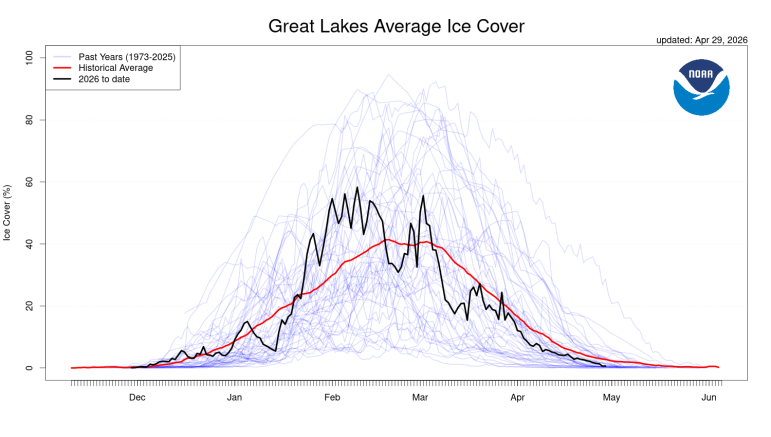
Ice covering the Great Lakes stores organic carbon, which is released in a burst during spring melt. As climate change reduces ice cover, researchers say this seasonal surge of energy may be shrinking, with uncertain consequences for these freshwater systems.
By Riley Wilson
Rising levels of per- and polyfluoroalkyl substances (PFAS) contamination are prompting scientists to question whether the Great Lakes can safely sustain surrounding communities. A recent study shows signs of declining PFAS pollution in these waters using archived fish.