By Bauyrzhan Zhaxylykov
Nearly half of Great Lakes beachgoers rarely or never check water quality before swimming, according to a new study by researchers at Toronto Metropolitan University.
The proposed plan to expand Billy Bishop airport for jets could degrade water quality in Toronto’s Inner Harbour on Lake Ontario and negate the benefits of multi-billion-dollar infrastructure upgrades intended […]
For more than 20 years, 21 beaches across five counties in Michigan have been monitored weekly throughout the summer months. Beach monitoring tracks factors that affect water quality and results […]
Eight New York State Park beaches were closed to swimming due to water quality concerns, including elevated bacteria levels, harmful algal blooms, and impacts from recent rainfall. State officials continue […]
By Victoria Witke
Wildfire risk is predicted to stay elevated in the Upper Midwest from drought and high winds. That’s risky for the region’s pristine inland lakes, but land managers are working to reduce wildfire risk in the Northwoods with controlled burns.
By Victoria Witke
Wildfire risk is high in the upper Great Lakes, and research shows that large, scorching wildfires spell trouble for lakes in the region’s remote watersheds.
A new 2026 report from the Minnesota Pollution Control Agency shows more than 2,000 lakes, rivers, streams, and ditches fail to meet water quality standards in Minnesota. About 6,518 impairments […]
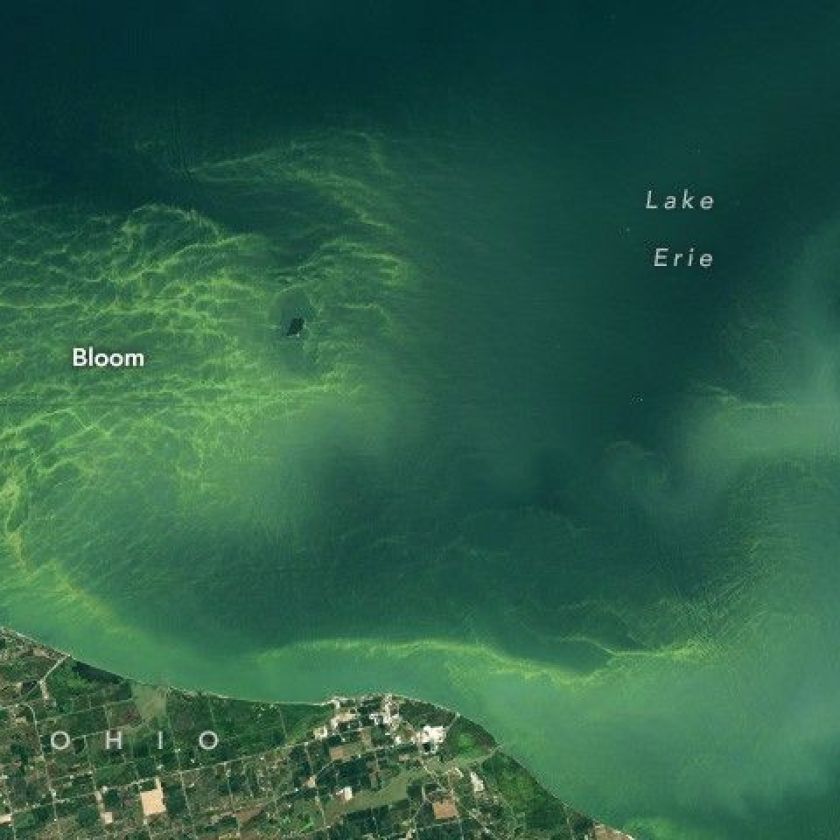
Water quality scientists predict Lake Erie’s harmful algal bloom will be moderate this summer, comparable to bloom levels seen in 2022 and 2024. Federal, Michigan, and Ohio university researchers presented […]
A proposed Trump administration budget could significantly reduce federal science funding and threaten critical tools used by communities to track Great Lakes water quality, protect public health, and support local […]
Monroe County, Michigan, has resumed its annual summer monitoring of Lake Erie beach water quality, testing for E. coli at public swimming areas such as Luna Pier Beach and Sterling […]
By Riley Wilson
Ice covering the Great Lakes stores organic carbon, which is released in a burst during spring melt. As climate change reduces ice cover, researchers say this seasonal surge of energy may be shrinking, with uncertain consequences for these freshwater systems.