
Winter conditions in the Great Lakes are getting much shorter — by about two weeks fewer each decade since 1995
Tags
Columnists, Great Lakes, London Free Press, Opinion, algal blooms, beach, Canada, Canadian, changes, Christmas, cities, coffee, Community, conditions, Dead, Drinking Water, Drownings, ecosystems, Environment, Events, Farming, fish, Fishing, followed, Food, Government, Grab, grey, harmful algal blooms, Health, help, human health, Hunting, Huron, Increase, Indigenous, Information, Infrastructure, invasive, Invasive Species, kids, lake, Lake Huron, Lake Superior, lakes, Life, Live, May, new, play, recreation, Region, Relationships, report, Research, Science, scientists, season, Shipping, show, social, summer, the conversation, total, Traditions, Training, Transportation, Treatment, United States, university, US, visit, Water, water quality, Weather, whitefish, who, Wildlife, Wind, winter, work
Source

By Victoria Witke

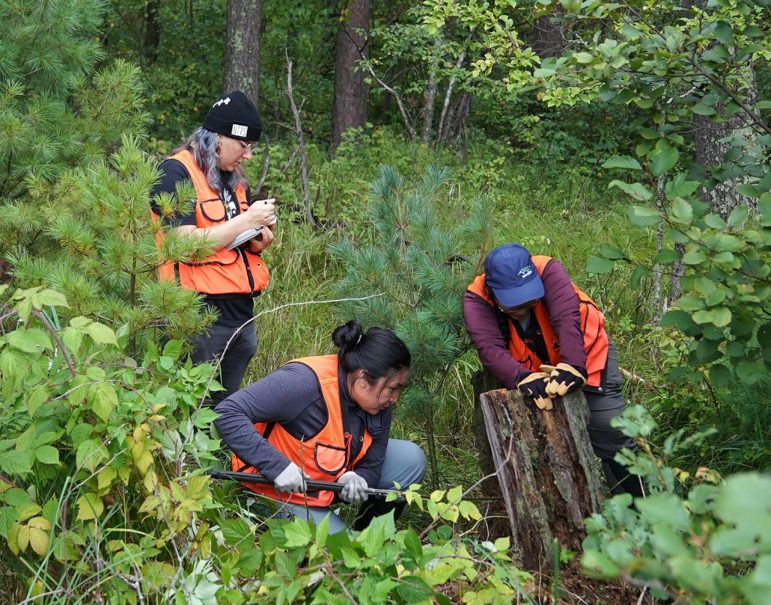
New research shows Anishinaabe fire practices shaped today’s Great Lakes ecosystems. The region’s forests never existed and can’t continue to exist without people – or fire.

The post Anishinaabe fire practices shaped Great Lakes ecosystems, new research shows first appeared on Great Lakes Echo.
Tags
Great Lakes Echo, climate, Climate change, college, Community, conditions, council, Department, ecosystems, Events, Fire, Fires, first, followed, forest, found, Government, Great Lakes, Indigenous, kids, killed, lake, Lake Superior, lakes, Lead, light, Lighting, Lightning, location, Minnesota, National, National Science Foundation, new, Ojibwe, open, Other, plan, plants, Policy, red, Region, Research, resilience, return, RISK, Science, service, show, Space, Students, study, support, sustainable, Trails, Trees, U.S. Forest Service, university, Western, who, wildfire, Wildfires, Wildlife, Wisconsin, work
Source

Since first being detected in 2021, a subtype of highly pathogenic avian influenza has had a dramatic impact on North America
Tags
Columnists, London Free Press, Opinion, Animals, Avian flu, Birds, british columbia, Canada, Canadian, Canadian Food Inspection Agency, cases, cattle, centre, citizen science, climate, Climate change, Collaboration, conservation, court, dairy cattle, Dead, died, Diversity, ecosystems, Environment, Environment and Climate Change Canada, farms, federal, field, first, fisheries, Food, found, Health, home, human health, Identified, industry, Influenza, Information, Investment, Live, Livestock, National, nature, new, north, North America, oceans, Parks, Parks Canada, Pets, play, Pollution, power, protect, province, Provincial, public health, RISK, Science, scientists, study, supreme court, Supreme Court of Canada, the conversation, Transmission, United States, university, Western, wetlands, Wildlife, work, World, World Health Organization
Source

By Victoria Witke

Christina Petalas, a doctoral student McGill University, studies herring gulls to learn about plastic pollution near the St. Lawrence River. Across two studies, she found plastic additives in every bird sampled, which could have human health consequences.

The post What herring gulls tell us about plastic pollution first appeared on Great Lakes Echo.

By Victoria Witke

Christina Petalas, a doctoral student McGill University, studies herring gulls to learn about plastic pollution near the St. Lawrence River. Across two studies, she found plastic additives in every bird sampled, which could have human health consequences.

The post What herring gulls tell us about plastic pollution first appeared on Great Lakes Echo.
Tags
Great Lakes Echo, Birds, body, Cancer, city, crops, Damage, Dead, Department, Environment, farmers, farms, fertilizer, first, fish, Food, Food waste, foraging, found, Garbage, Great Lakes, Health, human health, Huron, Increase, lake, Lake Superior, lakes, landfills, Lead, learn, Live, Mark, Michigan, Michigan Department of Natural Resources, microplastics, new, Ontario, plants, plastic, plastic pollution, plastics, Pollution, protect, Quebec, regulation, Research, river, show, sludge, Solid Waste, St, study, university, US, waste, Water, Wildlife
Source

Ann Arbor, Michigan – Nearly $315,000 will be awarded to support local organizations in controlling nonnative Phragmites australis, one of the most aggressive plant species invading the
Tags
Great Lakes Commission, beach, Canadian, Chicago, city, Clinton, Community, conditions, conservation, county, Department, development, ecosystems, first, Flooding, funding, Government, Great Lakes, great lakes restoration, Huron, Illinois, Increase, invasive, invasive phragmites, lake, lakes, learn, LED, local, Michigan, National, north, North America, Ohio, open, Parks, Pennsylvania, Phragmites, power, protect, province, recreation, Region, Research, restoration, rivers, Science, St, support, Survey, Toledo, total, Water, water conservation, water resources, Waterford, Wildlife, Wisconsin, woman, work
Source

By Ada Tussing

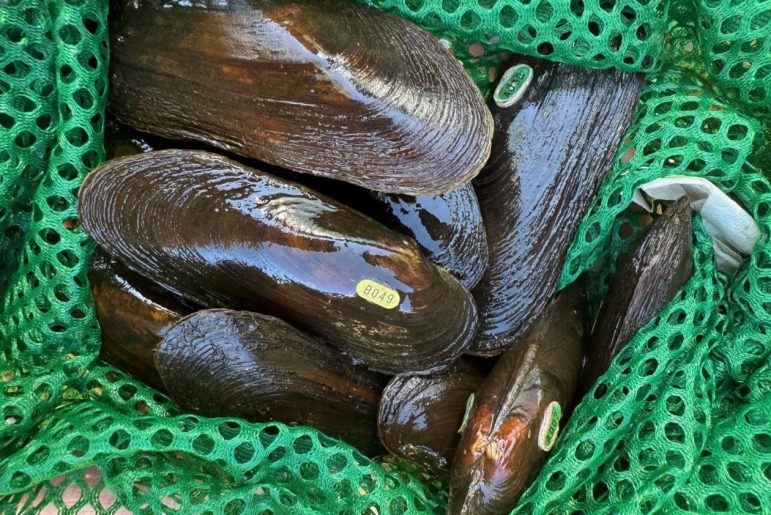
To combat the population loss of spectaclecase mussels, researchers with both the Minnesota and the Wisconsin Department of Natural Resources released over 177 mussels into the Chippewa River in Northwest Wisconsin.

The post Endangered spectaclecase mussels reintroduced into the Chippewa River first appeared on Great Lakes Echo.
Tags
Great Lakes Echo, Animals, Collaboration, conditions, Department, endangered species, Endangered Species Act, federal, first, fish, Food, found, Great Lakes, invasive, invasive mussels, Invasive Species, lakes, List, location, Michigan, Minnesota, mississippi, Missouri, mussels, Ohio, Other, Population, report, river, rivers, service, Staff, university, Water, water quality, Wildlife, Wisconsin, wisconsin dnr, zebra mussels
Source

The Community Foundation for Northeast Michigan has launched the Lake Huron Fund with a $25,000 seed to back projects protecting the lake’s watershed and wildlife across nine counties in Michigan’s […]
Tags
Great Lakes Commission, Community, Huron, lake, Lake Huron, Michigan, protect, Region, Wildlife
Source

Michigan’s Department of Environment, Great Lakes, and Energy has released the annual State of the Great Lakes Report. The report covers environmental cleanup, waterfront restoration, invasive species, groundwater management, and […]
Tags
Great Lakes Commission, Department, Energy, Environment, Great Lakes, groundwater, invasive, Invasive Species, lakes, Michigan, report, restoration, Wildlife
Source

By Kyrmyzy Turebayeva

In the late 1970s, when most wildlife conservation programs in the United States focused almost exclusively on game species, a quiet but historic shift began in Minnesota. It was here that one of the nation’s first state programs dedicated to protecting so-called nongame wildlife emerged from butterflies and bats to bald eagles and river otters. That story is now told in detail by Carrol Henderson in his new book, “A National Legacy: Fifty Years of Nongame Wildlife Conservation in Minnesota."

The post From otters to butterflies: How Minnesota became a pioneer in nongame wildlife conservation first appeared on Great Lakes Echo.
By Kyrmyzy Turebayeva

In the late 1970s, when most wildlife conservation programs in the United States focused almost exclusively on game species, a quiet but historic shift began in Minnesota. It was here that one of the nation’s first state programs dedicated to protecting so-called nongame wildlife emerged from butterflies and bats to bald eagles and river otters. That story is now told in detail by Carrol Henderson in his new book, “A National Legacy: Fifty Years of Nongame Wildlife Conservation in Minnesota."

The post From otters to butterflies: How Minnesota became a pioneer in nongame wildlife conservation first appeared on Great Lakes Echo.
Tags
Great Lakes Echo, Animals, Bald eagles, bats, Biodiversity, Birds, changes, conservation, degree, Department, Donations, Farmland, first, fish, Fishing, followed, Food, forest, found, Freedom, funding, game, georgia, Government, Great Lakes, home, Hunting, insects, iowa, job, Journalism, lakes, Life, man, manager, Media, Minnesota, money, Moths, mussels, National, nature, new, Newspapers, Other, play, Policy, Population, project, protect, Region, remains, restoration, river, school, support, sustainable, Swans, Television, total, United States, university, Volunteers, wanted, wetlands, who, Wildlife, work, World
Source

By Kyrmyzy Turebayeva

More than 30 years ago, a group of scientists planted just 4,200 seeds of the rare Pitcher’s thistle in the sandy dunes of the Great Lakes. At the time, no one knew if the new populations would survive. Today, three decades later, the restored populations are thriving and spreading.

The post How seeds from the past are saving a unique flower of the Great Lakes first appeared on Great Lakes Echo.
Tags
Great Lakes Echo, Birds, California, Chicago, conditions, conservation, development, Diversity, ecosystems, federal, field, first, fish, Flowers, Food, Government, Great Lakes, green, help, History, home, Indiana, Indigenous, job, lake, Lake Michigan, Lake Superior, lakes, Life, light, local, Michigan, mining, National, nature, new, plants, protect, Region, Research, restoration, RISK, Science, scientists, service, study, summer, Survey, university, US, Western, Wildlife, Wisconsin
Source