By Demonte Thomas
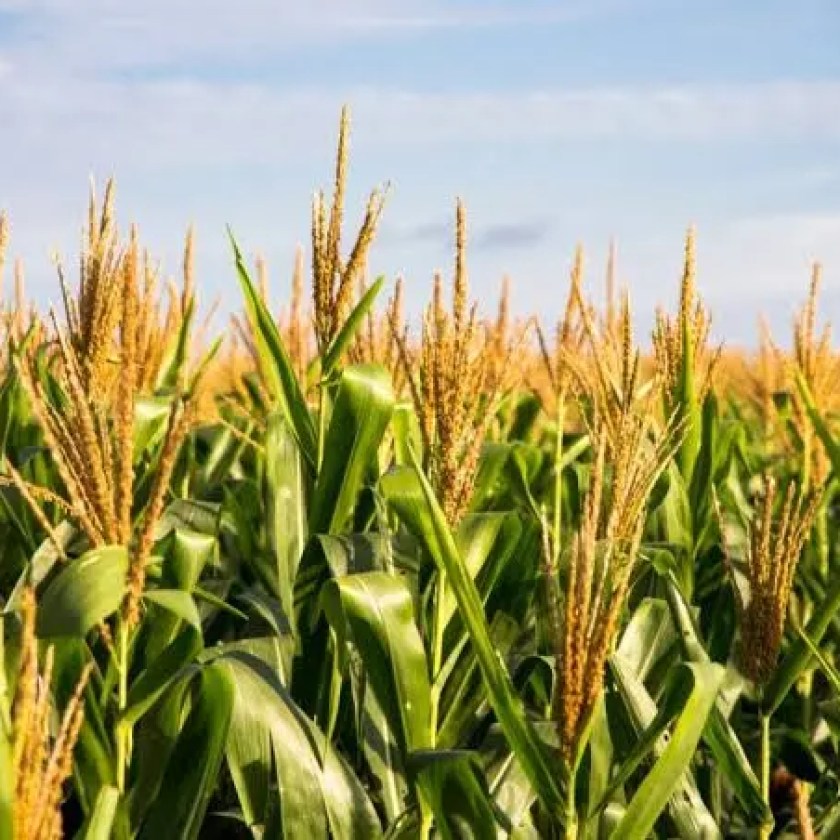
During the summer, corn undergoes a process called evapotranspiration, known by many as "corn sweat" to cool itself down. It raises questions about whether the state's vast corn fields are making already hot and humid conditions even more uncomfortable.
By Anna Barnes
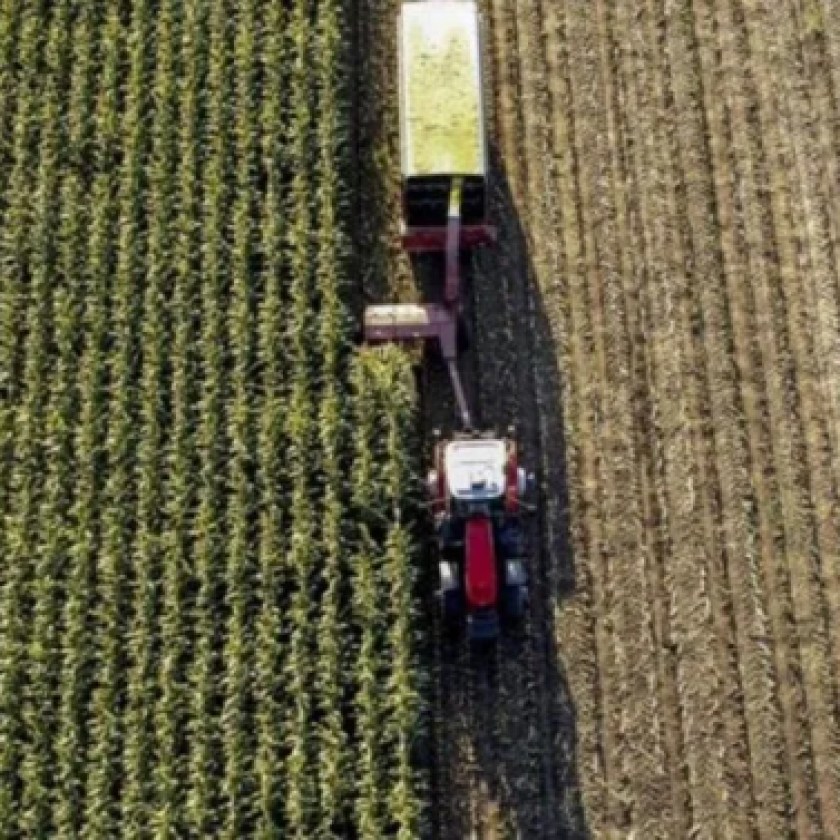
Michigan's supply of nitrogen and phosphorus-based fertilizers has taken a hit from shipping disruptions caused by the U.S. war with Iran. High prices and historic flooding are causing problems for the state's corn and soybean farmers.
By Lily Cole
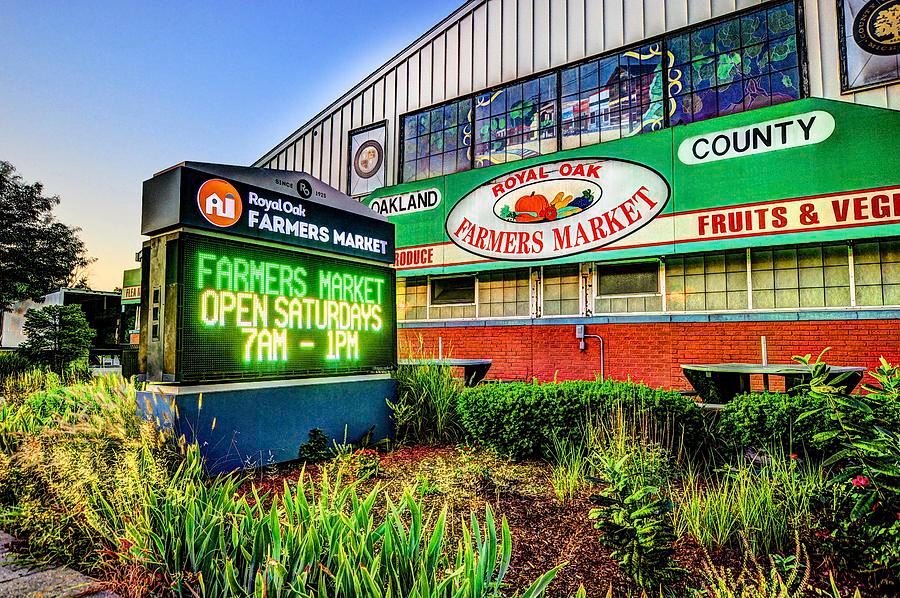
Nationally, farmers markets are growing rapidly. The U.S. Department of Agriculture reported 2,863 markets in 2000, with that number rising to more than 8,700 in 2025. In Michigan alone, more than 200 markets offer amenities for patrons, including fresh produce and special events.
By Karlee VanAntwerp
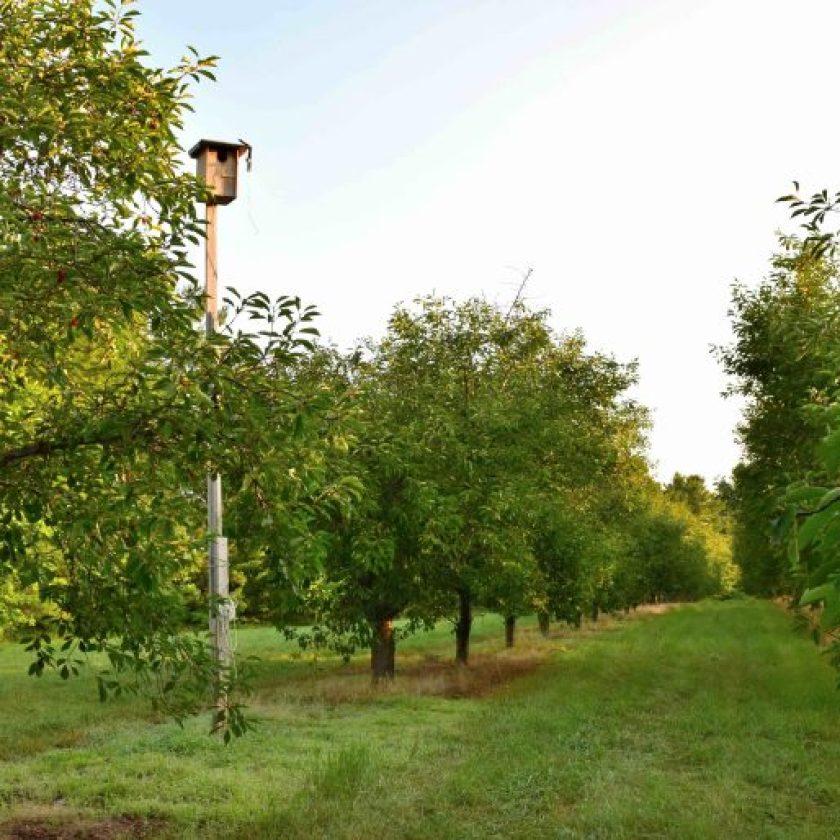
The Michigan Department of Agriculture and Rural Development will give out $400,000 in grants for research about PFAS on farmlands and livestock.