

By Kyrmyzy Turebayeva
In the late 1970s, when most wildlife conservation programs in the United States focused almost exclusively on game species, a quiet but historic shift began in Minnesota. It was here that one of the nation’s first state programs dedicated to protecting so-called nongame wildlife emerged from butterflies and bats to bald eagles and river otters. That story is now told in detail by Carrol Henderson in his new book, “A National Legacy: Fifty Years of Nongame Wildlife Conservation in Minnesota."
The post From otters to butterflies: How Minnesota became a pioneer in nongame wildlife conservation first appeared on Great Lakes Echo.By Kyrmyzy Turebayeva
In the late 1970s, when most wildlife conservation programs in the United States focused almost exclusively on game species, a quiet but historic shift began in Minnesota. It was here that one of the nation’s first state programs dedicated to protecting so-called nongame wildlife emerged from butterflies and bats to bald eagles and river otters. That story is now told in detail by Carrol Henderson in his new book, “A National Legacy: Fifty Years of Nongame Wildlife Conservation in Minnesota."
The post From otters to butterflies: How Minnesota became a pioneer in nongame wildlife conservation first appeared on Great Lakes Echo.

By Eric Freedman
Tiny pieces of moss can be crime-busters, says a study examining how law enforcement agencies, forensic teams and botanists have used moss to solve murders, track missing people, calculate how long ago someone died and – in a notorious Mason County case – try to locate the body of a baby murdered by her father.
The post Green clues: Crime-busters turn to moss to help solve crimes first appeared on Great Lakes Echo.By Eric Freedman
Tiny pieces of moss can be crime-busters, says a study examining how law enforcement agencies, forensic teams and botanists have used moss to solve murders, track missing people, calculate how long ago someone died and – in a notorious Mason County case – try to locate the body of a baby murdered by her father.
The post Green clues: Crime-busters turn to moss to help solve crimes first appeared on Great Lakes Echo.
By Georgia Hill
Scientists studying the body size and growth patterns of non-native earthworms in the UP’s Huron Mountains say they are disrupting forest ecosystems. Contrary to popular belief, most North American earthworms are invaders unintentionally introduced during European colonization. They have a significant impact on ecosystems, especially in the Great Lakes region where they affect soil structure, nutrient cycling and biodiversity.
The post New research in Michigan’s Upper Peninsula shows how invasive earthworms are changing forest soils first appeared on Great Lakes Echo.By Georgia Hill
Scientists studying the body size and growth patterns of non-native earthworms in the UP’s Huron Mountains say they are disrupting forest ecosystems. Contrary to popular belief, most North American earthworms are invaders unintentionally introduced during European colonization. They have a significant impact on ecosystems, especially in the Great Lakes region where they affect soil structure, nutrient cycling and biodiversity.
The post New research in Michigan’s Upper Peninsula shows how invasive earthworms are changing forest soils first appeared on Great Lakes Echo.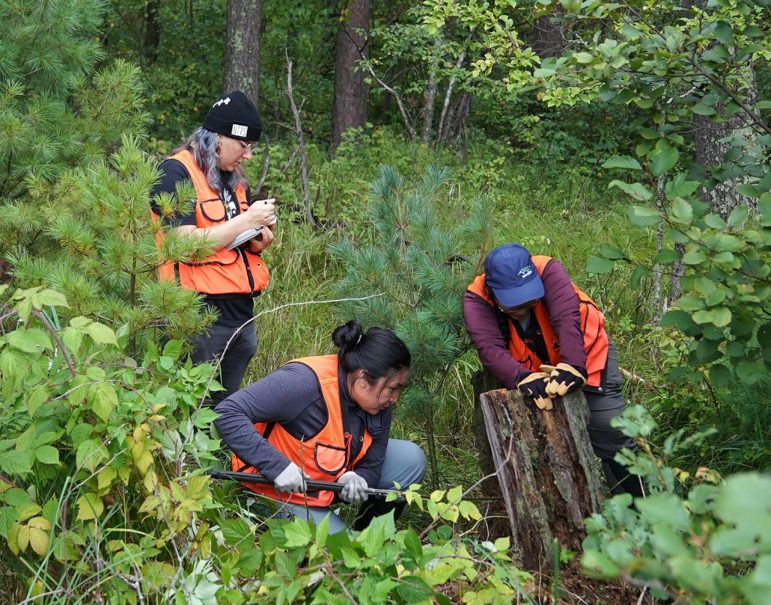
By Victoria Witke
New research shows Anishinaabe fire practices shaped today’s Great Lakes ecosystems. The region’s forests never existed and can’t continue to exist without people – or fire.
The post Anishinaabe fire practices shaped Great Lakes ecosystems, new research shows first appeared on Great Lakes Echo.By Victoria Witke
New research shows Anishinaabe fire practices shaped today’s Great Lakes ecosystems. The region’s forests never existed and can’t continue to exist without people – or fire.
The post Anishinaabe fire practices shaped Great Lakes ecosystems, new research shows first appeared on Great Lakes Echo.