Image


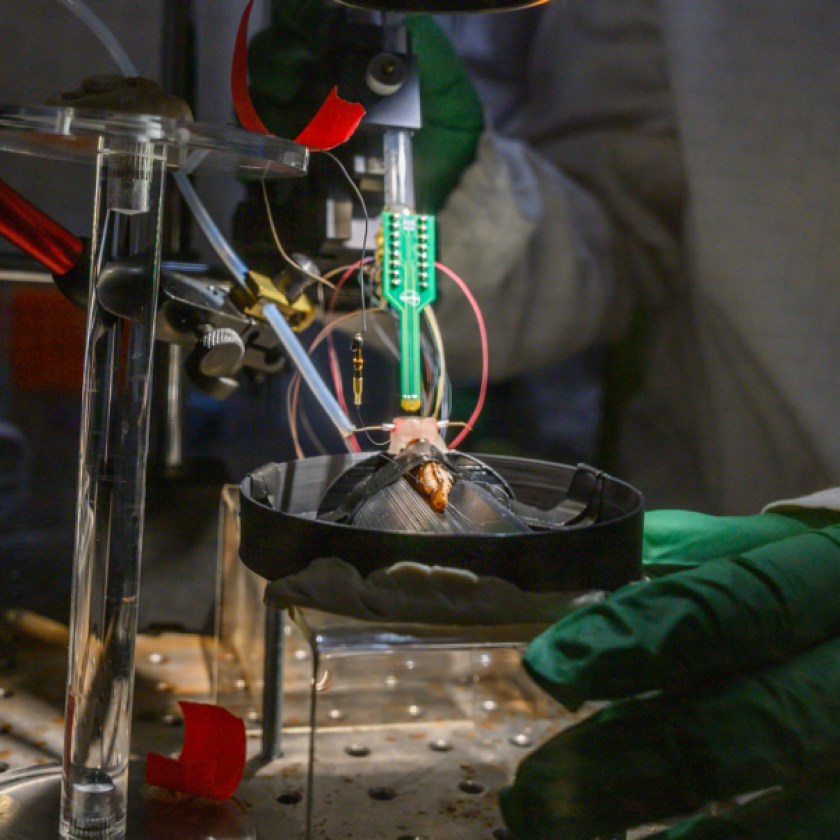
Researchers at Michigan State University are exploring an unexpected new tool that could reshape how scientists detect so-called forever chemicals in lakes, rivers and wetlands across the Great Lakes. Scientists have discovered that locusts can sniff out PFAS contaminants down to parts per trillion, a level of detection far beyond


Image


By Eric Freedman  A company that illegally handled material containing asbestos at an abandoned automotive brake system component plant in Saginaw, Michigan, has been fined $500,000 and placed on probation for two years.


Image


By Demonte Thomas Shade, cooler temperatures and improved air quality are among the reasons Lansing, Michigan's “Restoring Roots” project is targeting disadvantaged neighborhoods that have historically had less tree cover and greater exposure to heat.


Image


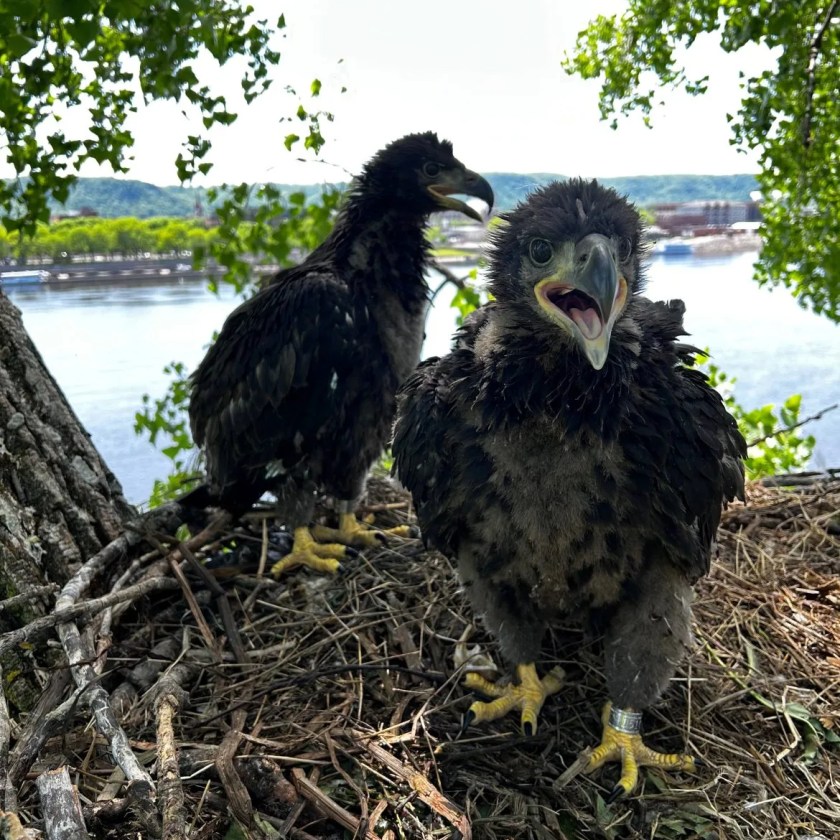
By Bauyrzhan Zhaxylykov Bald eagles are helping scientists uncover where per- and polyfluoroalkyl substances, or PFAS, contamination may be coming from across Wisconsin and the Great Lakes region.


Image


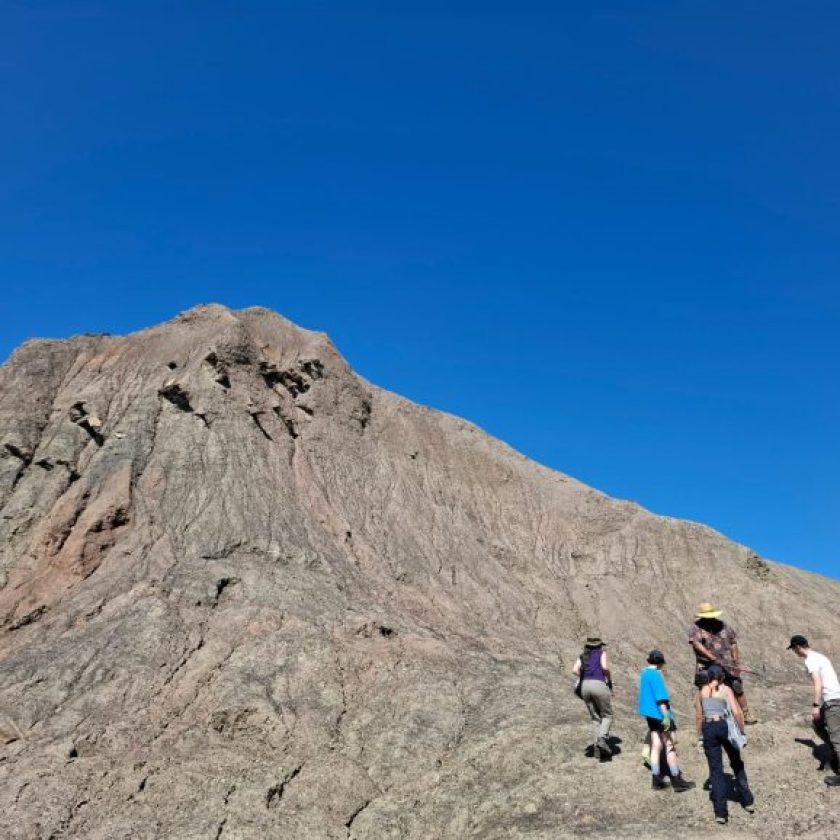
By Kyrmyzy Turebayeva For decades, scientists believed that the earliest four-limbed vertebrates developed much like modern amphibians: They hatched from eggs, passed through a larval tadpole stage and then underwent metamorphosis into adults. However, a new study published in Science challenges that long-held view.


Image


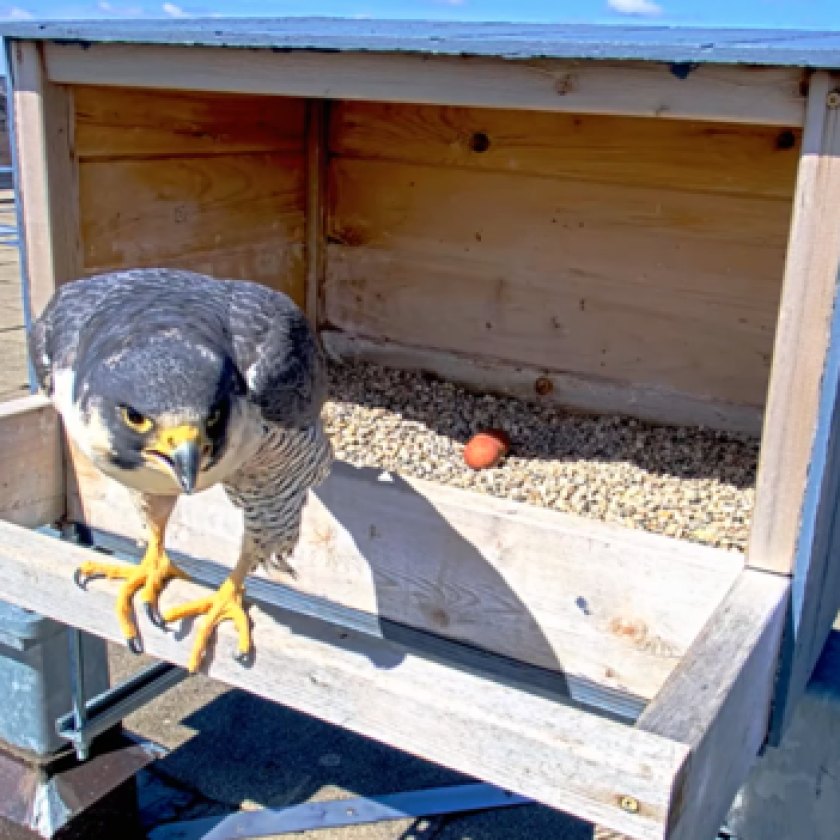
By Demonte Thomas  A new female peregrine falcon has appeared at Michigan State University's falcon nesting box atop Spartan Stadium, marking a significant change at a nesting site occupied by peregrine falcons for years.


Image


The Municipality of Kincardine (MOK) is inviting residents to join an interactive community conversation focused on affordable housing, increasing housing supply, and building a community that remains welcoming, vibrant, and attainable for everyone. The event takes place at the Davidson Centre on July 7, from 6 p.m. to 8 p.m