By Kyrmyzy Turebayeva
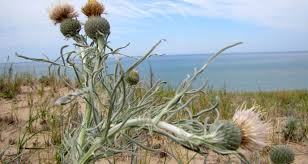
More than 30 years ago, a group of scientists planted just 4,200 seeds of the rare Pitcher’s thistle in the sandy dunes of the Great Lakes. At the time, no one knew if the new populations would survive. Today, three decades later, the restored populations are thriving and spreading.
The post How seeds from the past are saving a unique flower of the Great Lakes first appeared on Great Lakes Echo.By Kyrmyzy Turebayeva
More than 30 years ago, a group of scientists planted just 4,200 seeds of the rare Pitcher’s thistle in the sandy dunes of the Great Lakes. At the time, no one knew if the new populations would survive. Today, three decades later, the restored populations are thriving and spreading.
The post How seeds from the past are saving a unique flower of the Great Lakes first appeared on Great Lakes Echo.By Ada Tussing
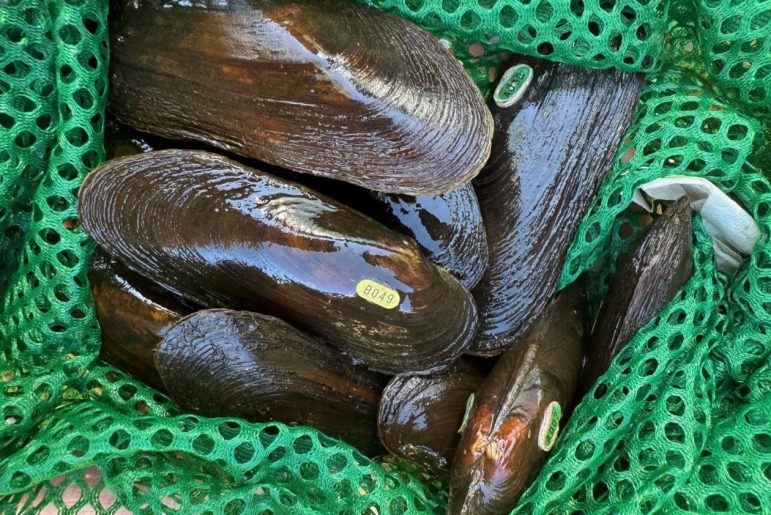
To combat the population loss of spectaclecase mussels, researchers with both the Minnesota and the Wisconsin Department of Natural Resources released over 177 mussels into the Chippewa River in Northwest Wisconsin.
The post Endangered spectaclecase mussels reintroduced into the Chippewa River first appeared on Great Lakes Echo.By Ada Tussing
To combat the population loss of spectaclecase mussels, researchers with both the Minnesota and the Wisconsin Department of Natural Resources released over 177 mussels into the Chippewa River in Northwest Wisconsin.
The post Endangered spectaclecase mussels reintroduced into the Chippewa River first appeared on Great Lakes Echo.