Blooms of potentially toxic blue-green algae in the waters of Lake Superior have led to a call for action to counter threats to human health and the regional economy around […]

Blooms of potentially toxic blue-green algae in the waters of Lake Superior have led to a call for action to counter threats to human health and the regional economy around […]

Tags
Great Lakes Commission, Algae, Duluth, Economy, green, Health, human health, lake, Lake Superior, LED, Minnesota

Source


Researchers with the Great Lakes Center for Freshwaters and Human Health are currently studying the different harmful aspects of algal blooms. The algal bloom in the western basin of Lake […]

Researchers with the Great Lakes Center for Freshwaters and Human Health are currently studying the different harmful aspects of algal blooms. The algal bloom in the western basin of Lake […]

Tags
Great Lakes Commission, algal blooms, Great Lakes, Health, human health, lake, Lake Erie, lakes, Ohio, Toledo, toxins, Western

Source


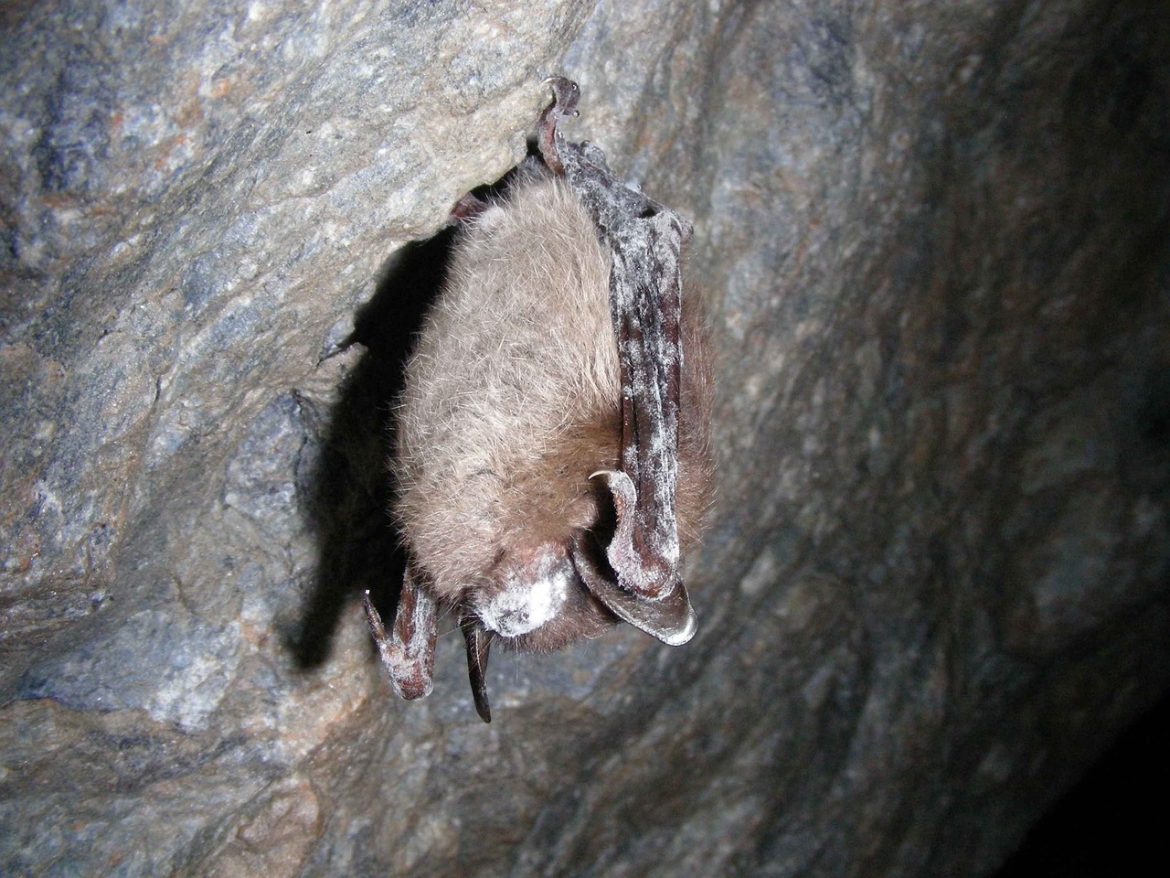
By Carly Carter Bat populations are plummeting in Minnesota as the deadly white-nose syndrome spreads across caves.

By Carly Carter Bat populations are plummeting in Minnesota as the deadly white-nose syndrome spreads across caves.

Tags
Great Lakes Echo, Agriculture, air pollution, Animals, Arizona, bats, Birds, body, british columbia, California, Canada, cases, conditions, conservation, Damage, Department, ecosystems, endangered species, Energy, Environment, first, fish, forest, Great Lakes, green, Health, human health, Identified, Indiana, insects, lakes, land use, Lead, LED, light, local, louisiana, May, Michigan, Minnesota, moved, Nevada, new, New York, north, North America, Other, Parks, pesticides, play, Pollution, Population, Region, Research, Rutgers University, service, study, Survey, Sustainability, Trees, U.S. Fish and Wildlife Service, United States, university, utah, who, Wildlife, Wind, Wind turbines, winter

Source


By Mia Litzenberg

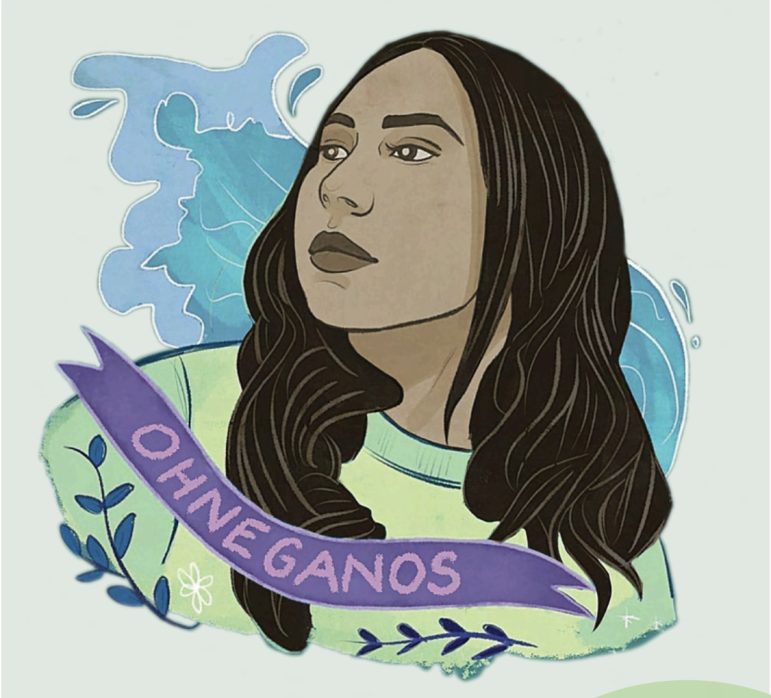
The Six Nations of the Grand River face ongoing water insecurity from pollution, climate change and corporate extraction. Many years of Indigenous water advocacy have led to the development of a new Haudenosaunee Environmental Research Institute as the next step to overcome these challenges.

The post Water is Life, Six Nations lead international approach to long-standing water insecurity first appeared on Great Lakes Echo.

By Mia Litzenberg

The Six Nations of the Grand River face ongoing water insecurity from pollution, climate change and corporate extraction. Many years of Indigenous water advocacy have led to the development of a new Haudenosaunee Environmental Research Institute as the next step to overcome these challenges.

The post Water is Life, Six Nations lead international approach to long-standing water insecurity first appeared on Great Lakes Echo.

Tags
Great Lakes Echo, Water, art, Business, Canada, Canadian, changes, climate, Climate change, Community, development, ecosystems, Education, Environment, equity, first, First Nations, fish, funding, Great Lakes, Health, help, human health, Identified, Indigenous, lakes, Lead, learn, LED, Life, looking, manager, Michigan, new, New York, newsletter, office, Ontario, Pollution, protect, record, Region, Research, river, school, Science, Six Nations of the Grand River, Source, Space, Students, Sustainability, Training, universities, university, wanted, Water, Western, who, Wildlife, win, Wisconsin, women, work, World, youth

Source


By Victoria Witke

Christina Petalas, a doctoral student McGill University, studies herring gulls to learn about plastic pollution near the St. Lawrence River. Across two studies, she found plastic additives in every bird sampled, which could have human health consequences.

The post What herring gulls tell us about plastic pollution first appeared on Great Lakes Echo.

By Victoria Witke

Christina Petalas, a doctoral student McGill University, studies herring gulls to learn about plastic pollution near the St. Lawrence River. Across two studies, she found plastic additives in every bird sampled, which could have human health consequences.

The post What herring gulls tell us about plastic pollution first appeared on Great Lakes Echo.

Tags
Great Lakes Echo, Birds, body, Cancer, city, crops, Damage, Dead, Department, Environment, farmers, farms, fertilizer, first, fish, Food, Food waste, foraging, found, Garbage, Great Lakes, Health, human health, Huron, Increase, lake, Lake Superior, lakes, landfills, Lead, learn, Live, Mark, Michigan, Michigan Department of Natural Resources, microplastics, new, Ontario, plants, plastic, plastic pollution, plastics, Pollution, protect, Quebec, regulation, Research, river, show, sludge, Solid Waste, St, study, university, US, waste, Water, Wildlife

Source


Since first being detected in 2021, a subtype of highly pathogenic avian influenza has had a dramatic impact on North America

Since first being detected in 2021, a subtype of highly pathogenic avian influenza has had a dramatic impact on North America

Tags
Columnists, London Free Press, Opinion, Animals, Avian flu, Birds, british columbia, Canada, Canadian, Canadian Food Inspection Agency, cases, cattle, centre, citizen science, climate, Climate change, Collaboration, conservation, court, dairy cattle, Dead, died, Diversity, ecosystems, Environment, Environment and Climate Change Canada, farms, federal, field, first, fisheries, Food, found, Health, home, human health, Identified, industry, Influenza, Information, Investment, Live, Livestock, National, nature, new, north, North America, oceans, Parks, Parks Canada, Pets, play, Pollution, power, protect, province, Provincial, public health, RISK, Science, scientists, study, supreme court, Supreme Court of Canada, the conversation, Transmission, United States, university, Western, wetlands, Wildlife, work, World, World Health Organization

Source


By Eric Freedman

Empty lots in deindustrialized cities like Detroit may contribute to bird species diversity, says a new study by researchers at MSU and Carleton University in Canada. The study is based on sound recordings collected at 110 sites in 11 Detroit neighborhoods. The study recommends that vacant land management in the city takes a balanced approach that considers the needs of both residents and birds. There are other concerns about vacant land, too, including as sites for solar arrays.

The post Vacant lots boost diversity among Detroit’s birds, study finds first appeared on Great Lakes Echo.

By Eric Freedman

Empty lots in deindustrialized cities like Detroit may contribute to bird species diversity, says a new study by researchers at MSU and Carleton University in Canada. The study is based on sound recordings collected at 110 sites in 11 Detroit neighborhoods. The study recommends that vacant land management in the city takes a balanced approach that considers the needs of both residents and birds. There are other concerns about vacant land, too, including as sites for solar arrays.

The post Vacant lots boost diversity among Detroit’s birds, study finds first appeared on Great Lakes Echo.

Tags
Great Lakes Echo, air pollution, Air Quality, Biodiversity, Birds, Canada, children, Churches, cities, city, Community, Community Solar, conditions, conservation, Department, Detroit, Diversity, DTE, DTE Energy, Energy, environmental racism, Events, first, followed, found, Gas, Great Lakes, green, Greenhouse Gas Emissions, Health, home, house, human health, invasive, lakes, litter, Live, local, May, Michigan, nature, new, Other, Parks, plants, Pollution, Population, project, public health, Racism, recreation, Relationships, Research, Roads, social, solar, solar arrays, study, support, sustainable, tires, total, traffic, Trails, university, urban planning, who, win, wood, work

Source


Duluth, Minnesota – At its Annual Meeting, held this week on the shores of Lake Superior in Duluth, Minnesota, the Great Lakes Commission (GLC) passed

Duluth, Minnesota – At its Annual Meeting, held this week on the shores of Lake Superior in Duluth, Minnesota, the Great Lakes Commission (GLC) passed

Tags
Great Lakes Commission, Agriculture, AI, algal blooms, Canadian, Community, Congress, conservation, Department, development, Duluth, Economy, ecosystems, environmental protection agency, Events, Government, Great Lakes, green, harmful algal blooms, Health, hiking, human health, Illinois, industry, Information, Infrastructure, lake, Lake Superior, lakes, learn, LED, march, mayor, meeting, microplastics, Minnesota, new, Ohio, outdoor recreation, Pennsylvania, plastic, plastic pollution, play, Pollution, protect, province, recreation, Recycling, Region, Research, restoration, reuse, Ripples of Plastic, river, Schools, Shipping, St, Students, support, sustainable, Trail, Trees, Washington, Water, water resources, Wednesday, Wisconsin, work

Source


Winter conditions in the Great Lakes are getting much shorter — by about two weeks fewer each decade since 1995

Winter conditions in the Great Lakes are getting much shorter — by about two weeks fewer each decade since 1995

Tags
Columnists, Great Lakes, London Free Press, Opinion, algal blooms, beach, Canada, Canadian, changes, Christmas, cities, coffee, Community, conditions, Dead, Drinking Water, Drownings, ecosystems, Environment, Events, Farming, fish, Fishing, followed, Food, Government, Grab, grey, harmful algal blooms, Health, help, human health, Hunting, Huron, Increase, Indigenous, Information, Infrastructure, invasive, Invasive Species, kids, lake, Lake Huron, Lake Superior, lakes, Life, Live, May, new, play, recreation, Region, Relationships, report, Research, Science, scientists, season, Shipping, show, social, summer, the conversation, total, Traditions, Training, Transportation, Treatment, United States, university, US, visit, Water, water quality, Weather, whitefish, who, Wildlife, Wind, winter, work


Source