The Minnesota Department of Natural Resources has added four new K9s to their staff, including Jet, a four-year-old black lab trained to detect and track zebra mussels, an aquatic invasive […]

The Minnesota Department of Natural Resources has added four new K9s to their staff, including Jet, a four-year-old black lab trained to detect and track zebra mussels, an aquatic invasive […]

Tags
Great Lakes Commission, Department, invasive, Invasive Species, Minnesota, mussels, new, Staff
Source

Waterways in Emmet and Charlevoix counties, Michigan, will undergo sea lamprey control measures in the next few weeks to help fight the destructive invasive species. Read the full story by […]

Waterways in Emmet and Charlevoix counties, Michigan, will undergo sea lamprey control measures in the next few weeks to help fight the destructive invasive species. Read the full story by […]

Tags
Great Lakes Commission, help, invasive, Invasive Species, Michigan, News, summer
Source

The first meeting of the 2025-2026 season of the Huron Bruce Nature (HBN) club went swimmingly with an excellent presentation on the changing ecology of Lake Huron fish communities by Ministry of Natural Resources and Forestry Management biologist Arunas Liskaukas. Nearing retirement after a 35-year “dream” career researching and working with fish, this passionate scientist […]
Tags
Lake Huron, Lucknow Sentinel, aquatic invasive species, Bruce, centre, Community, Contact, deal, Documentary, Donations, down, drones, ecosystems, endangered species, Energy, first, fish, Food, forestry, Goderich, Government, Great Lakes, help, Huron, invasive, invasive mussels, Invasive Species, lake, lakes, light, Local News, meeting, Ministry of Natural Resources and Forestry, nature, new, News, Ontario, photo, Population, president, Research, season, service, social, Source, support, the conversation, Trail, Trees, Water, whitefish, who, work
Source

Winter conditions in the Great Lakes are getting much shorter — by about two weeks fewer each decade since 1995
Tags
Columnists, Great Lakes, London Free Press, Opinion, algal blooms, beach, Canada, Canadian, changes, Christmas, cities, coffee, Community, conditions, Dead, Drinking Water, Drownings, ecosystems, Environment, Events, Farming, fish, Fishing, followed, Food, Government, Grab, grey, harmful algal blooms, Health, help, human health, Hunting, Huron, Increase, Indigenous, Information, Infrastructure, invasive, Invasive Species, kids, lake, Lake Huron, Lake Superior, lakes, Life, Live, May, new, play, recreation, Region, Relationships, report, Research, Science, scientists, season, Shipping, show, social, summer, the conversation, total, Traditions, Training, Transportation, Treatment, United States, university, US, visit, Water, water quality, Weather, whitefish, who, Wildlife, Wind, winter, work

Source

By Georgia Hill

Scientists studying the body size and growth patterns of non-native earthworms in the UP’s Huron Mountains say they are disrupting forest ecosystems. Contrary to popular belief, most North American earthworms are invaders unintentionally introduced during European colonization. They have a significant impact on ecosystems, especially in the Great Lakes region where they affect soil structure, nutrient cycling and biodiversity.

The post New research in Michigan’s Upper Peninsula shows how invasive earthworms are changing forest soils   first appeared on Great Lakes Echo.
Tags
Great Lakes Echo, Agriculture, Biodiversity, body, carbon dioxide, concrete, Cycling, Department, driver, ecosystems, Environment, first, forest, found, georgia, Great Lakes, help, Huron, Identified, Illinois, invasive, Invasive Species, lake, lakes, Lead, Michigan, new, north, North America, Other, plants, project, Region, report, Research, scientists, study, university, upper peninsula, Water
Source

The Ontario Ministry of Natural Resources and Forestry (MNRF) has confirmed that quagga mussels have been found in the north end of Black Bay on Lake Superior, marking the latest […]
Tags
Great Lakes Commission, end, first, forestry, found, invasive, Invasive Species, lake, Lake Superior, Ministry of Natural Resources and Forestry, mussels, north, Ontario, Ontario Ministry of Natural Resources and Forestry
Source

By Ada Tussing

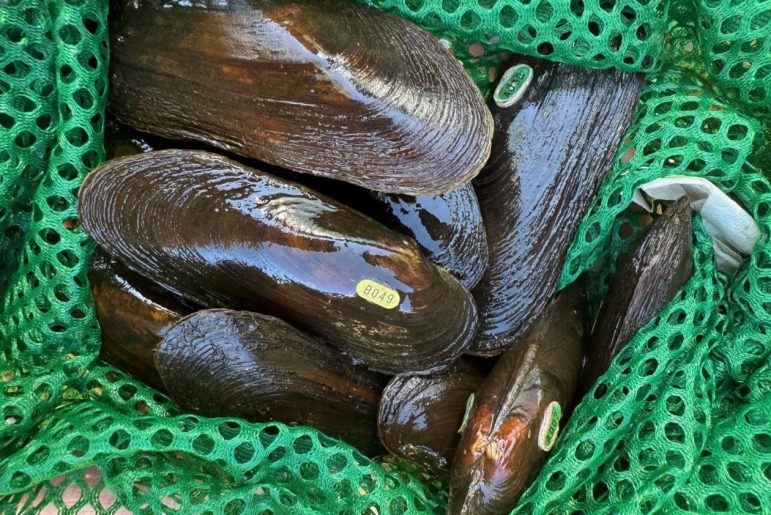
To combat the population loss of spectaclecase mussels, researchers with both the Minnesota and the Wisconsin Department of Natural Resources released over 177 mussels into the Chippewa River in Northwest Wisconsin.

The post Endangered spectaclecase mussels reintroduced into the Chippewa River first appeared on Great Lakes Echo.
Tags
Great Lakes Echo, Animals, Collaboration, conditions, Department, endangered species, Endangered Species Act, federal, first, fish, Food, found, Great Lakes, invasive, invasive mussels, Invasive Species, lakes, List, location, Michigan, Minnesota, mississippi, Missouri, mussels, Ohio, Other, Population, report, river, rivers, service, Staff, university, Water, water quality, Wildlife, Wisconsin, wisconsin dnr, zebra mussels
Source

Michigan’s Department of Environment, Great Lakes, and Energy has released the annual State of the Great Lakes Report. The report covers environmental cleanup, waterfront restoration, invasive species, groundwater management, and […]
Tags
Great Lakes Commission, Department, Energy, Environment, Great Lakes, groundwater, invasive, Invasive Species, lakes, Michigan, report, restoration, Wildlife
Source

Attorney General Dana Nessel filed an amicus brief to strike down EPA standards that don’t require existing ships on the Great Lakes to install treatment systems for ballast water discharge. […]
Tags
Great Lakes Commission, down, EPA, Great Lakes, invasive, Invasive Species, lakes, Michigan, new, standards, Strike, Treatment, Water
Source

By Anna Ironside

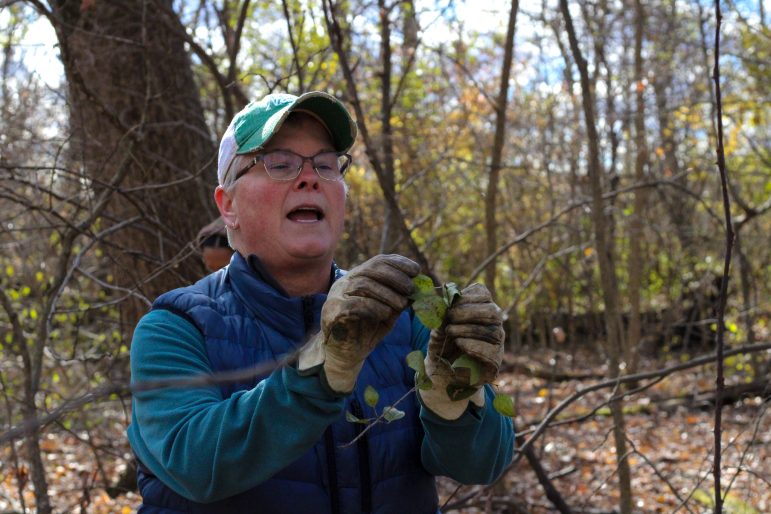
Caroline Miller is a botanical technologist at Michigan State University’s W.J. Beal Botanical Garden, as well as a master’s student. Her work has made her a driving force behind restoration projects on campus and beyond. From invasive species removal days to a growing movement to replace traditional turf lawns with native landscapes, Miller doesn’t quit.

The post Invasive species expert teaches volunteers to overcome ‘plant blindness’ first appeared on Great Lakes Echo.
Tags
Great Lakes Echo, Animals, Birds, changes, Community, Connect, conservation, Dead, design, down, Driving, Economy, Education, Environment, Events, fall, first, Flooding, Food, Great Lakes, green, Health, help, insects, invasive, Invasive Species, lakes, Life, location, looking, maintenance, May, Michigan, National, nature, new, Other, plan, plants, play, Policy, project, public health, red, resilience, restoration, river, Science, show, Staff, Students, Sustainability, Trees, university, US, Volunteering, Volunteers, wanted, who, winter, work
Source