


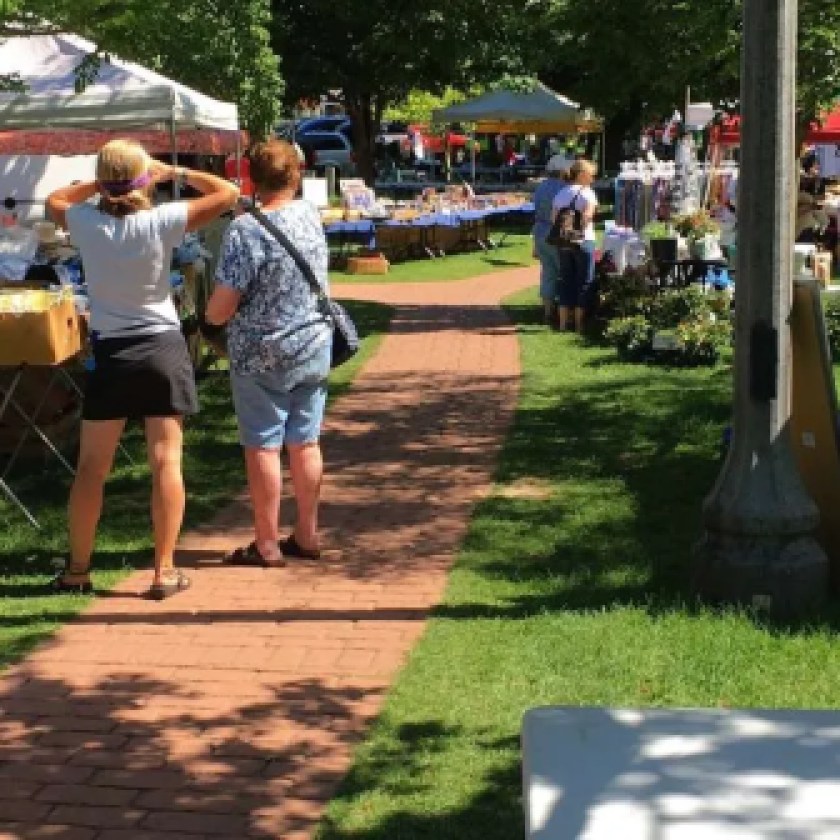
The Municipality of Kincardine (MOK) is inviting residents, visitors, and businesses to help shape the future of tourism by providing input into the development of a new tourism strategy. In partnership with the Regional Tourism Organization 7 (RTO7), the MOK is gathering feedback over the coming months to help identify the priorities of residents, visitors, […]
The Municipality of Kincardine (MOK) is inviting residents, visitors, and businesses to help shape the future of tourism by providing input into the development of a new tourism strategy. In partnership with the Regional Tourism Organization 7 (RTO7), the MOK is gathering feedback over the coming months to help identify the priorities of residents, visitors, […]
Two biologists who were fired from the U.S. Environmental Protection Agency lab in Duluth last year after signing a public letter criticizing the Trump administration are suing to get their […]
Two biologists who were fired from the U.S. Environmental Protection Agency lab in Duluth last year after signing a public letter criticizing the Trump administration are suing to get their […]

By Kyrmyzy Turebayeva
For Jim Daniels the Rust Belt is defined by people, working families, factory neighborhoods, highways leading north toward the Great Lakes and memories that stay with a person for a lifetime. These themes run throughout his new poetry collection, “Late Invocation for Magic.”
By Kyrmyzy Turebayeva
For Jim Daniels the Rust Belt is defined by people, working families, factory neighborhoods, highways leading north toward the Great Lakes and memories that stay with a person for a lifetime. These themes run throughout his new poetry collection, “Late Invocation for Magic.”


By Kyrmyzy Turebayeva
Downriver Detroit developed during the 20th century as an industrial region, but it was never just an industrial space. Alongside factories and working-class neighborhoods, there were wetlands, waterfront areas, nature preserves, farms and residential communities with different types of environments that shaped the region. This relationship lies at the heart of Lisa Fine’s new book, “Downriver Detroit: The Working Class, the Environment and the Bonds of Place.”