By Bauyrzhan Zhaxylykov
Bankruptcies of Michigan farmers are troubling despite a dip in their Chapter 12 filings last year. Major reasons are higher expenses for inputs such as fertilizer coupled with flat commodity prices.
The post Michigan farmers face bankruptcies, other financial challenges first appeared on Great Lakes Echo.By Bauyrzhan Zhaxylykov
New U-M survey finds only about 5% of rural Michigan residents say they would choose an electric vehicle as their next car. Researchers attribute much of that reluctance to misinformation about the availability of public chargers and the cost of EVs and replacement batteries. The Whitmer administration is pushing to expand electric vehicle use to meet climate and clean energy goals.
The post Why Michigan’s rural residents are reluctant to drive electric vehicles first appeared on Great Lakes Echo.By Bauyrzhan Zhaxylykov
New U-M survey finds only about 5% of rural Michigan residents say they would choose an electric vehicle as their next car. Researchers attribute much of that reluctance to misinformation about the availability of public chargers and the cost of EVs and replacement batteries. The Whitmer administration is pushing to expand electric vehicle use to meet climate and clean energy goals.
The post Why Michigan’s rural residents are reluctant to drive electric vehicles first appeared on Great Lakes Echo.By Justin Fox Clausen
Lawmakers are making another effort to adopt Michigan’s first statewide septic code with mandatory inspections, intended to protect drinking water from contamination. It’s the only state without one.
The post Michigan is last state without a septic system code. Will that change? first appeared on Great Lakes Echo.By Justin Fox Clausen
Lawmakers are making another effort to adopt Michigan’s first statewide septic code with mandatory inspections, intended to protect drinking water from contamination. It’s the only state without one.
The post Michigan is last state without a septic system code. Will that change? first appeared on Great Lakes Echo.By Karlee VanAntwerp
Critics of the proliferation of data centers are calling for a one-year moratorium on the approval of new projects.
The post Data center concerns lead to push for a one-year moratorium on projects first appeared on Great Lakes Echo.By Karlee VanAntwerp
Critics of the proliferation of data centers are calling for a one-year moratorium on the approval of new projects.
The post Data center concerns lead to push for a one-year moratorium on projects first appeared on Great Lakes Echo.By Bauyrzhan Zhaxylykov
Given dramatic changes in federal energy policy and spending, as well as possible reduction in state financial support for alternative energy projects, is Michigan still on target to reach its clean energy goals?
The post Michigan pushes toward 100% clean energy by 2040 despite funding cuts first appeared on Great Lakes Echo.By Bauyrzhan Zhaxylykov
Given dramatic changes in federal energy policy and spending, as well as possible reduction in state financial support for alternative energy projects, is Michigan still on target to reach its clean energy goals?
The post Michigan pushes toward 100% clean energy by 2040 despite funding cuts first appeared on Great Lakes Echo.By Anna Ironside
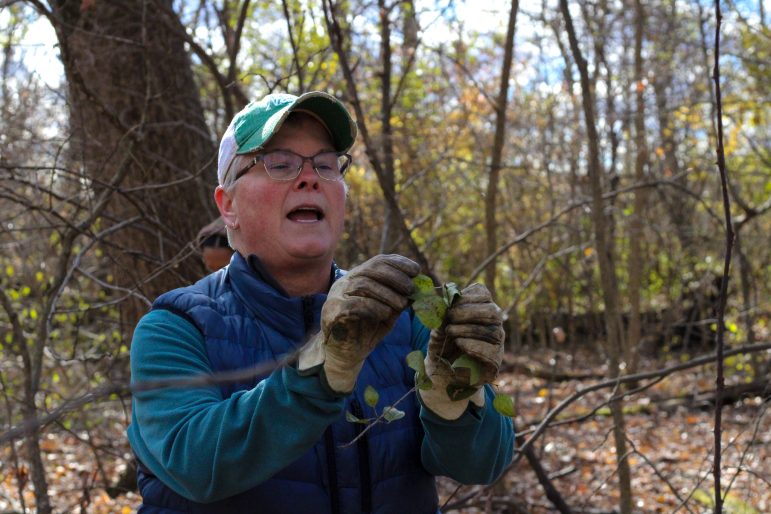
Caroline Miller is a botanical technologist at Michigan State University’s W.J. Beal Botanical Garden, as well as a master’s student. Her work has made her a driving force behind restoration projects on campus and beyond. From invasive species removal days to a growing movement to replace traditional turf lawns with native landscapes, Miller doesn’t quit.
The post Invasive species expert teaches volunteers to overcome ‘plant blindness’ first appeared on Great Lakes Echo.By Anna Ironside
Caroline Miller is a botanical technologist at Michigan State University’s W.J. Beal Botanical Garden, as well as a master’s student. Her work has made her a driving force behind restoration projects on campus and beyond. From invasive species removal days to a growing movement to replace traditional turf lawns with native landscapes, Miller doesn’t quit.
The post Invasive species expert teaches volunteers to overcome ‘plant blindness’ first appeared on Great Lakes Echo.By Kyrmyzy Turebayeva
A new study documents a fivefold increase in shoreline armoring along Lake Michigan’s Eastern coast.
The post Growth in shoreline armoring is reshaping Michigan’s Lake Michigan coast first appeared on Great Lakes Echo.By Kyrmyzy Turebayeva
A new study documents a fivefold increase in shoreline armoring along Lake Michigan’s Eastern coast.
The post Growth in shoreline armoring is reshaping Michigan’s Lake Michigan coast first appeared on Great Lakes Echo.By Kyrmyzy Turebayeva
In the late 1970s, when most wildlife conservation programs in the United States focused almost exclusively on game species, a quiet but historic shift began in Minnesota. It was here that one of the nation’s first state programs dedicated to protecting so-called nongame wildlife emerged from butterflies and bats to bald eagles and river otters. That story is now told in detail by Carrol Henderson in his new book, “A National Legacy: Fifty Years of Nongame Wildlife Conservation in Minnesota."
The post From otters to butterflies: How Minnesota became a pioneer in nongame wildlife conservation first appeared on Great Lakes Echo.By Kyrmyzy Turebayeva
In the late 1970s, when most wildlife conservation programs in the United States focused almost exclusively on game species, a quiet but historic shift began in Minnesota. It was here that one of the nation’s first state programs dedicated to protecting so-called nongame wildlife emerged from butterflies and bats to bald eagles and river otters. That story is now told in detail by Carrol Henderson in his new book, “A National Legacy: Fifty Years of Nongame Wildlife Conservation in Minnesota."
The post From otters to butterflies: How Minnesota became a pioneer in nongame wildlife conservation first appeared on Great Lakes Echo.