Image


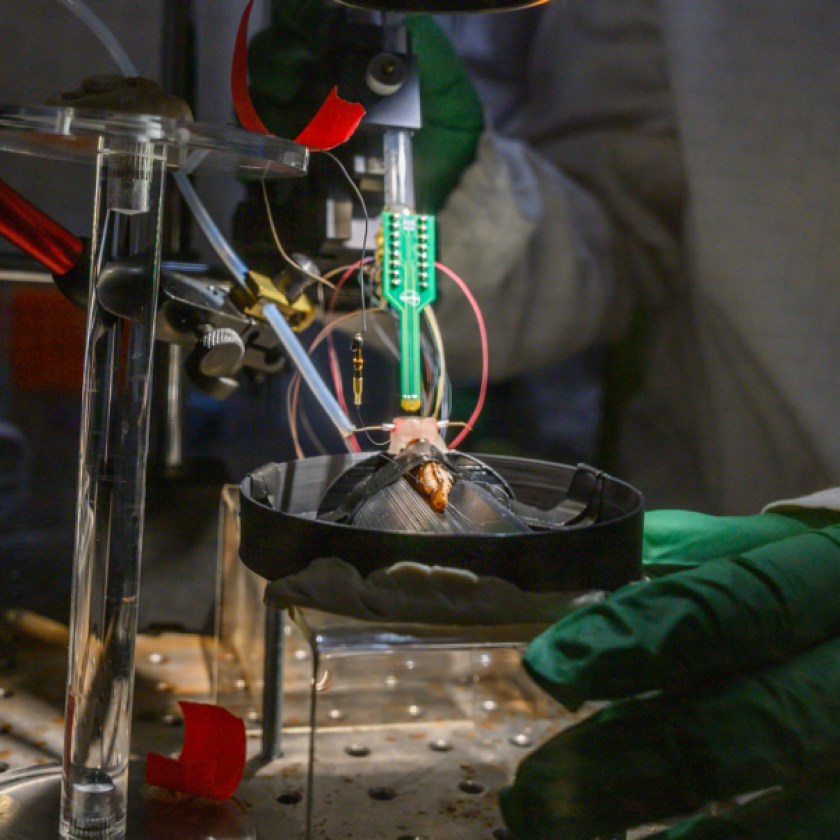
Researchers at Michigan State University are exploring an unexpected new tool that could reshape how scientists detect so-called forever chemicals in lakes, rivers and wetlands across the Great Lakes. Scientists have discovered that locusts can sniff out PFAS contaminants down to parts per trillion, a level of detection far beyond


Image


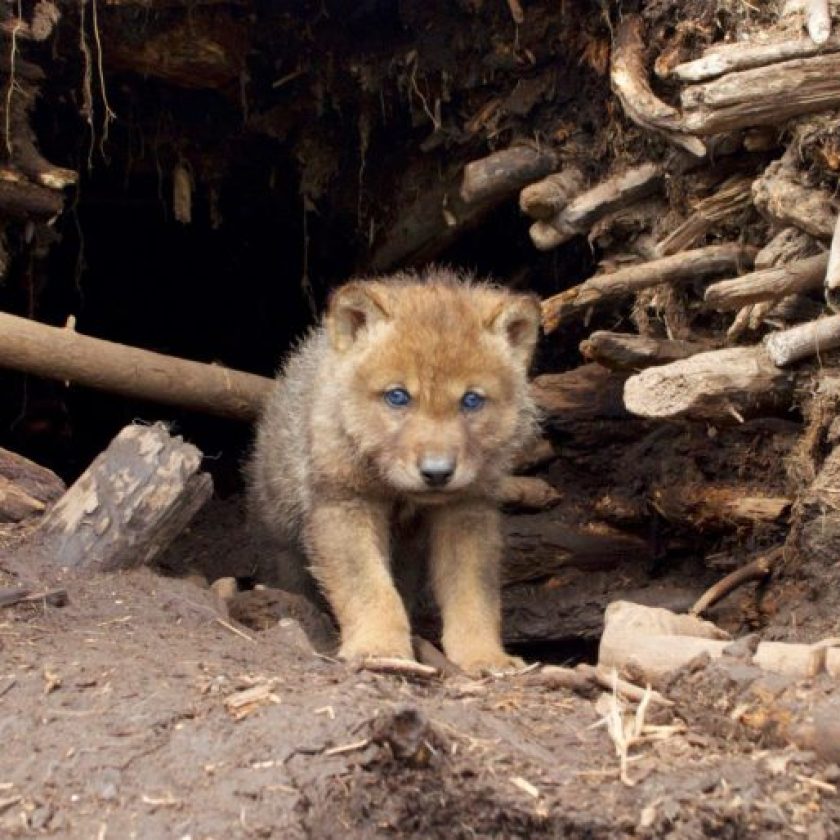
By Kyrmyzy Turebayeva Only about 30 percent of gray wolf pups survive their first year of life even though the wolf population in the region remains stable, according to a new study by researchers at the University of Minnesota.


Image


By Anna Barnes Researchers at Michigan State University say they've developed a way to more evenly distribute sunlight in algae cultivation systems, which leads to more algae growth that can be used for sustainable products.


Image


By Demonte Thomas Michigan State University researchers have launched a long-term effort to combat the invasive scarlet lily beetle, using specialized wasps instead of pesticides to reduce populations of the destructive garden pest.


Image


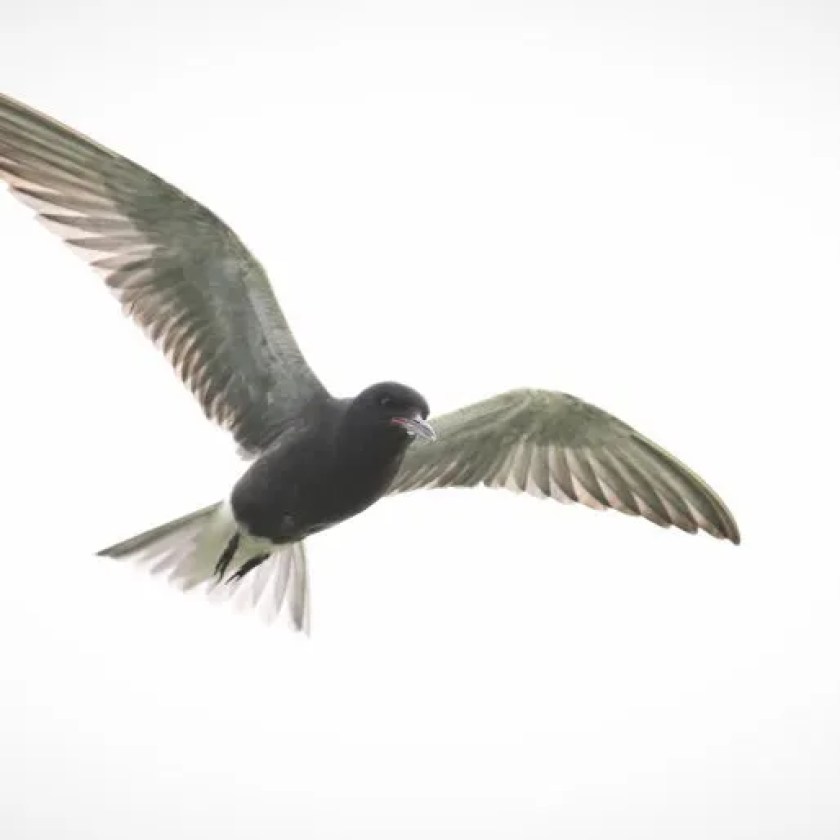
By Akia Thrower Michigan’s annual budget includes $2 million for wetland conservation efforts by the state Department of Natural Resources, funding critical work for endangered bird species.


Image


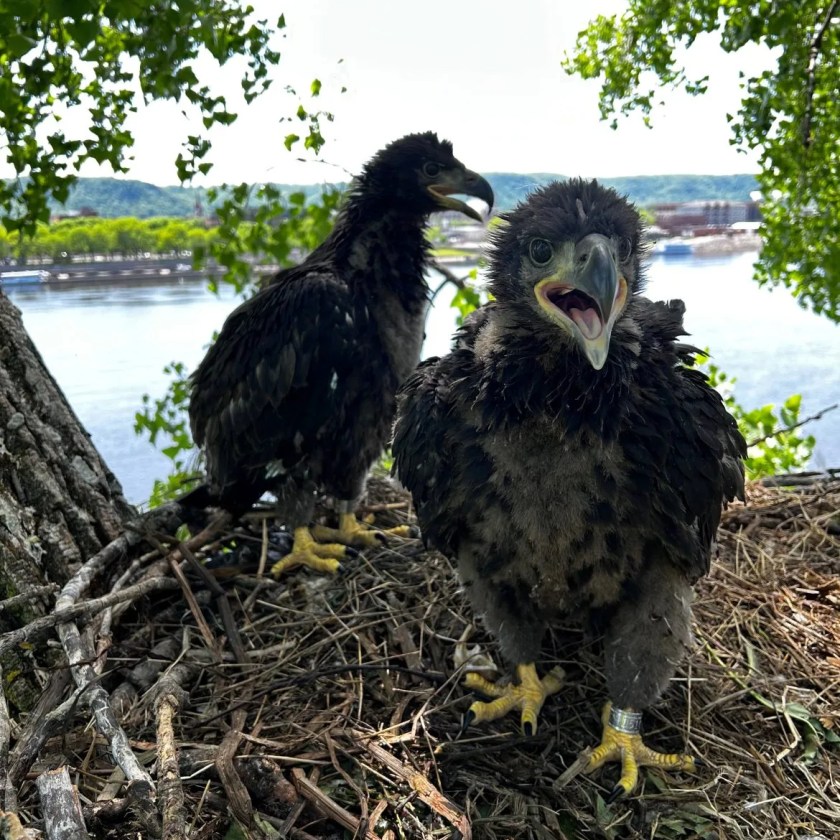
By Bauyrzhan Zhaxylykov Bald eagles are helping scientists uncover where per- and polyfluoroalkyl substances, or PFAS, contamination may be coming from across Wisconsin and the Great Lakes region.