Ann Arbor, Michigan – Nearly $315,000 will be awarded to support local organizations in controlling nonnative Phragmites australis, one of the most aggressive plant species invading the
Tags
Great Lakes Commission, beach, Canadian, Chicago, city, Clinton, Community, conditions, conservation, county, Department, development, ecosystems, first, Flooding, funding, Government, Great Lakes, great lakes restoration, Huron, Illinois, Increase, invasive, invasive phragmites, lake, lakes, learn, LED, local, Michigan, National, north, North America, Ohio, open, Parks, Pennsylvania, Phragmites, power, protect, province, recreation, Region, Research, restoration, rivers, Science, St, support, Survey, Toledo, total, Water, water conservation, water resources, Waterford, Wildlife, Wisconsin, woman, work
Source

Fundraising is underway for a $450,000 project to restore the exterior of the Big Sable Point Lighthouse keepers’ dwelling at Ludington State Park. Read the full story by MLive.
Tags
Great Lakes Commission, lake, Lake Michigan, Michigan, project, restoration
Source

By Clara Lincolnhol

Michigan is pouring $77 million into clean-up of contaminated abandoned real estate such as former factories. The director of the Department of Environment, Great Lakes and Energy says the goal is to make the cleaned-up sites safe for housing, commercial developments and other uses.

The post Michigan allocates $77 million to clean thousands of contaminated sites first appeared on Great Lakes Echo.
Tags
Great Lakes Echo, Baseball, cases, city, Department, developers, development, Economy, Energy, Environment, first, funding, Gas, gas stations, Gov. Gretchen Whitmer, Great Lakes, green, Gretchen Whitmer, Grocery, help, home, Housing, incentives, industrial, industry, Investment, Jobs, lakes, Lead, Live, Manufacturing, Michigan, money, nature, new, Other, Parking, Parks, Policy, project, Real estate, restoration, RISK, Safety, Senate, Space, standards
Source

Michigan’s Department of Environment, Great Lakes, and Energy has released the annual State of the Great Lakes Report. The report covers environmental cleanup, waterfront restoration, invasive species, groundwater management, and […]
Tags
Great Lakes Commission, Department, Energy, Environment, Great Lakes, groundwater, invasive, Invasive Species, lakes, Michigan, report, restoration, Wildlife
Source

By Kyrmyzy Turebayeva

In the late 1970s, when most wildlife conservation programs in the United States focused almost exclusively on game species, a quiet but historic shift began in Minnesota. It was here that one of the nation’s first state programs dedicated to protecting so-called nongame wildlife emerged from butterflies and bats to bald eagles and river otters. That story is now told in detail by Carrol Henderson in his new book, “A National Legacy: Fifty Years of Nongame Wildlife Conservation in Minnesota."

The post From otters to butterflies: How Minnesota became a pioneer in nongame wildlife conservation first appeared on Great Lakes Echo.
Tags
Great Lakes Echo, Animals, Bald eagles, bats, Biodiversity, Birds, changes, conservation, degree, Department, Donations, Farmland, first, fish, Fishing, followed, Food, forest, found, Freedom, funding, game, georgia, Government, Great Lakes, home, Hunting, insects, iowa, job, Journalism, lakes, Life, man, manager, Media, Minnesota, money, Moths, mussels, National, nature, new, Newspapers, Other, play, Policy, Population, project, protect, Region, remains, restoration, river, school, support, sustainable, Swans, Television, total, United States, university, Volunteers, wanted, wetlands, who, Wildlife, work, World
Source

By Kyrmyzy Turebayeva

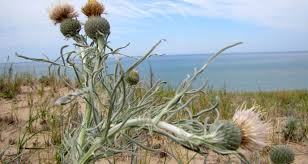
More than 30 years ago, a group of scientists planted just 4,200 seeds of the rare Pitcher’s thistle in the sandy dunes of the Great Lakes. At the time, no one knew if the new populations would survive. Today, three decades later, the restored populations are thriving and spreading.

The post How seeds from the past are saving a unique flower of the Great Lakes first appeared on Great Lakes Echo.
Tags
Great Lakes Echo, Birds, California, Chicago, conditions, conservation, development, Diversity, ecosystems, federal, field, first, fish, Flowers, Food, Government, Great Lakes, green, help, History, home, Indiana, Indigenous, job, lake, Lake Michigan, Lake Superior, lakes, Life, light, local, Michigan, mining, National, nature, new, plants, protect, Region, Research, restoration, RISK, Science, scientists, service, study, summer, Survey, university, US, Western, Wildlife, Wisconsin
Source

By Anna Ironside

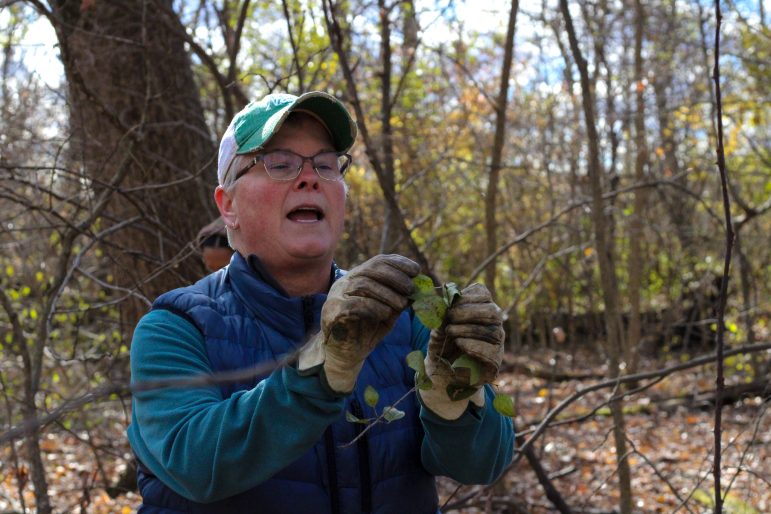
Caroline Miller is a botanical technologist at Michigan State University’s W.J. Beal Botanical Garden, as well as a master’s student. Her work has made her a driving force behind restoration projects on campus and beyond. From invasive species removal days to a growing movement to replace traditional turf lawns with native landscapes, Miller doesn’t quit.

The post Invasive species expert teaches volunteers to overcome ‘plant blindness’ first appeared on Great Lakes Echo.
Tags
Great Lakes Echo, Animals, Birds, changes, Community, Connect, conservation, Dead, design, down, Driving, Economy, Education, Environment, Events, fall, first, Flooding, Food, Great Lakes, green, Health, help, insects, invasive, Invasive Species, lakes, Life, location, looking, maintenance, May, Michigan, National, nature, new, Other, plan, plants, play, Policy, project, public health, red, resilience, restoration, river, Science, show, Staff, Students, Sustainability, Trees, university, US, Volunteering, Volunteers, wanted, who, winter, work
Source

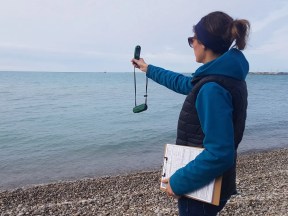
Coast Watchers serve as the “eyes and ears” of Lake Huron’s coastline.
Tags
Kincardine News, Algae, Bayfield, beach, Beaches, Bruce, centre, climate, Climate change, Community, conditions, conservation, Damage, Driving, Events, first, fish, fisheries, Fishing, found, Grand Bend, help, Huron, Increase, invasive, Invasive Species, july, Kettle and Stony Point First Nation, lake, Lake Huron, Lake Huron Coastal Centre, learn, LED, Live, looking, May, Media, new, News, news release, newsletter, Pets, photo, Phragmites, plastic, plastic pollution, Pollution, record, report, restoration, RISK, Sarnia, Science, scientists, season, social, Social media, Staff, Storm, support, Sustainability, Swans, the conversation, Trail, Turkey, turkey vultures, visit, Volunteers, Water, who, Wildlife, work
Source

Sixty-one acres of rare and fragile ravine and shoreline habitats along Lake Michigan near Lake Forest, Illinois, will soon be restored and stabilized thanks to a $5.75 million federal grant. […]
Tags
Great Lakes Commission, federal, forest, Illinois, lake, Lake Michigan, Michigan, Opinion, project, protect, restoration, Water
Source

The Edsel & Eleanor Ford House received a $7 million NOAA grant in 2023 to restore Michigan’s Ford Cove, improve wildlife habitat along Lake St. Clair and improve visitor access. […]
Tags
Great Lakes Commission, Detroit, Ford, house, lake, Michigan, News, noaa, project, restoration, St, Wildlife, work
Source