By Demonte Thomas
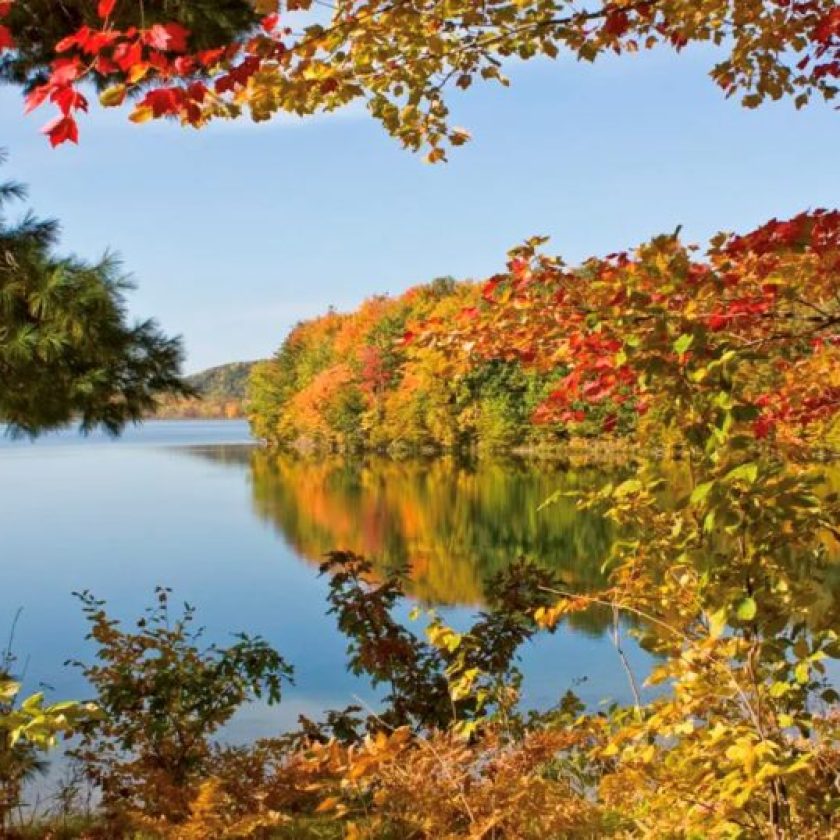
The Mid-Michigan Land Conservancy will make its Ionia Natural Area Trail available to the public in October.
By Akia Thrower
A recent study uncovers the changes within historical tree biodiversity hotspots, which has implications for new conservation efforts in forested areas of concern.
By Akia Thrower
Residents and city officials in Gary, Indiana, have called for improved utility infrastructure and accountability after an extended power outage.
By Kyrmyzy Turebayeva
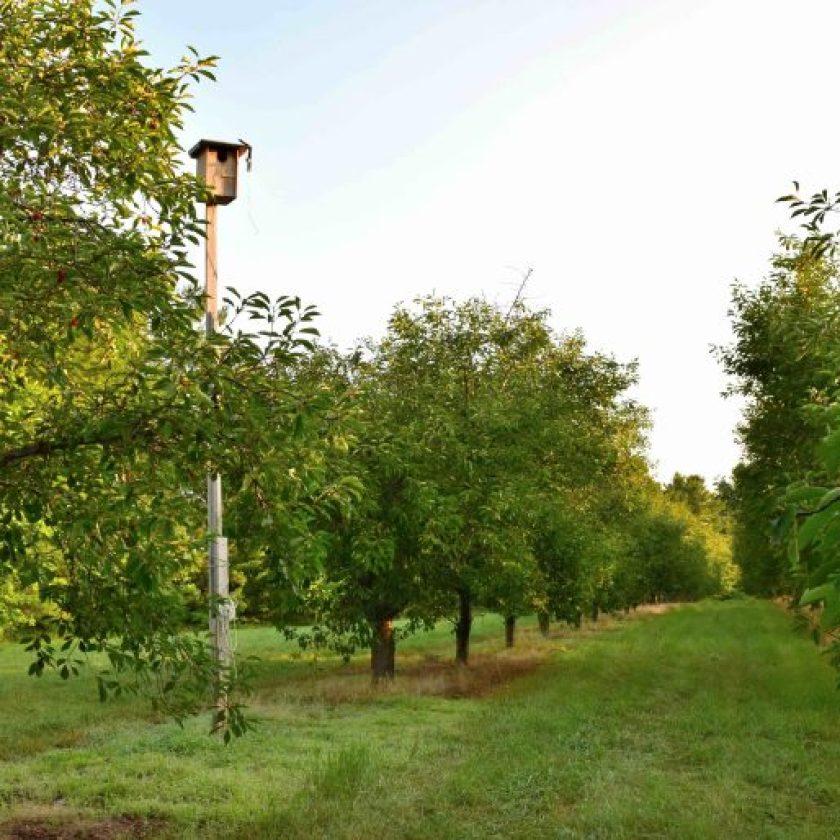
Pest birds are a nuisance for cherry orchards. A recent study found a possible solution: attracting kestrels to nest nearby.
The For Our Youth (FOY) horticulture club was thrilled to have a warm, sunny day to gather for our June meeting at the McLarty Centre. We had to cancel last year’s meeting due to thunder and lightning, so we were extra glad to be back at this wonderful outdoor learning
By Bauyrzhan Zhaxylykov
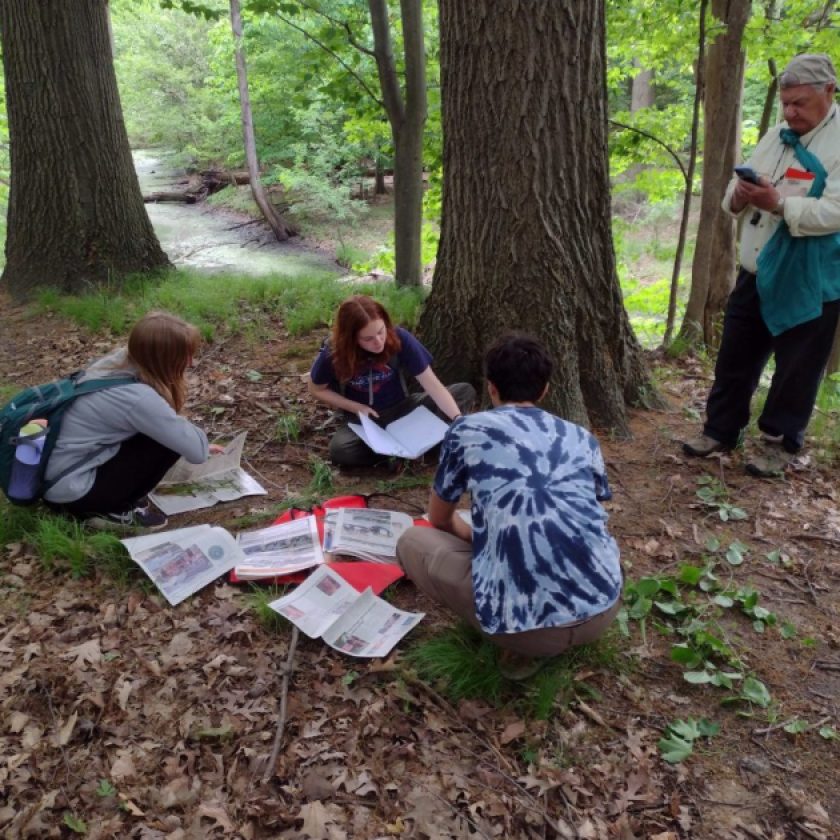
Surrounded by busy roads, neighborhoods and businesses, Ken-O-Sha Park doesn’t look like one of Michigan’s most valuable forests. But a new study found the 100-acre park in Grand Rapids is home to one of the state’s highest-quality remaining forests.
By Demonte Thomas
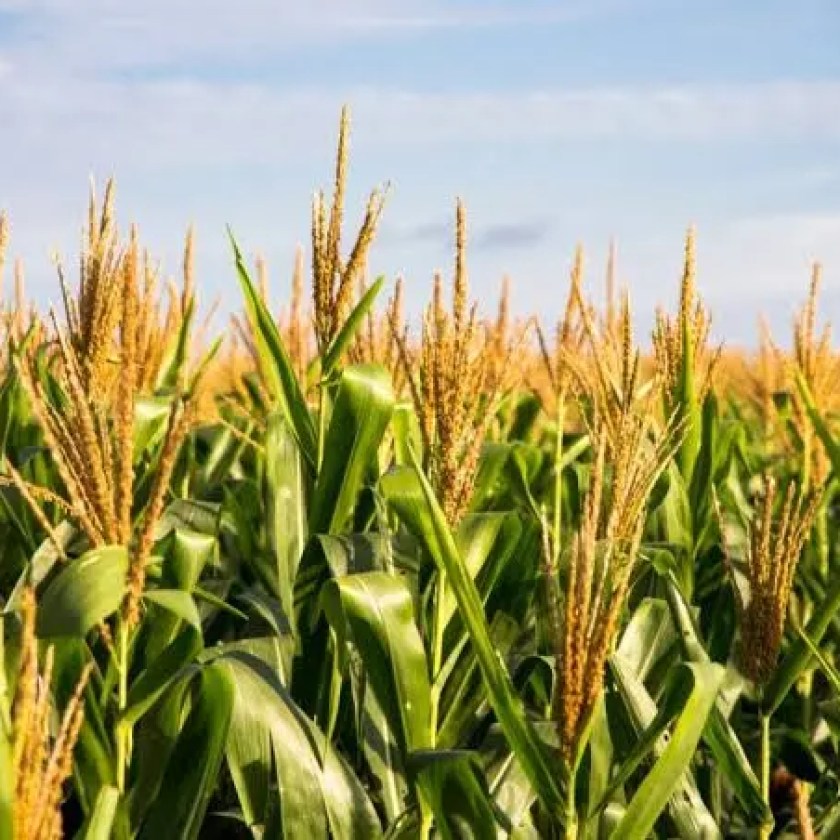
During the summer, corn undergoes a process called evapotranspiration, known by many as "corn sweat" to cool itself down. It raises questions about whether the state's vast corn fields are making already hot and humid conditions even more uncomfortable.
By Domonic Marroni
In Ann Arbor, Michigan, Skyline High School's natural areas are home to several species of invasive plants causing widespread destruction of surrounding trees. These species pose potential fire hazards and are dangerous to public health. Action is needed, say several environmental experts, to avert future disasters and
By Kyrmyzy Turebayeva
For Jim Daniels the Rust Belt is defined by people, working families, factory neighborhoods, highways leading north toward the Great Lakes and memories that stay with a person for a lifetime. These themes run throughout his new poetry collection, “Late Invocation for Magic.”
By Anna Barnes
In Michigan, sugar maple populations are rising and eastern redbud trees are making their way north, while coniferous trees, like the black spruce, continue to decline. One suspected cause: climate warming.