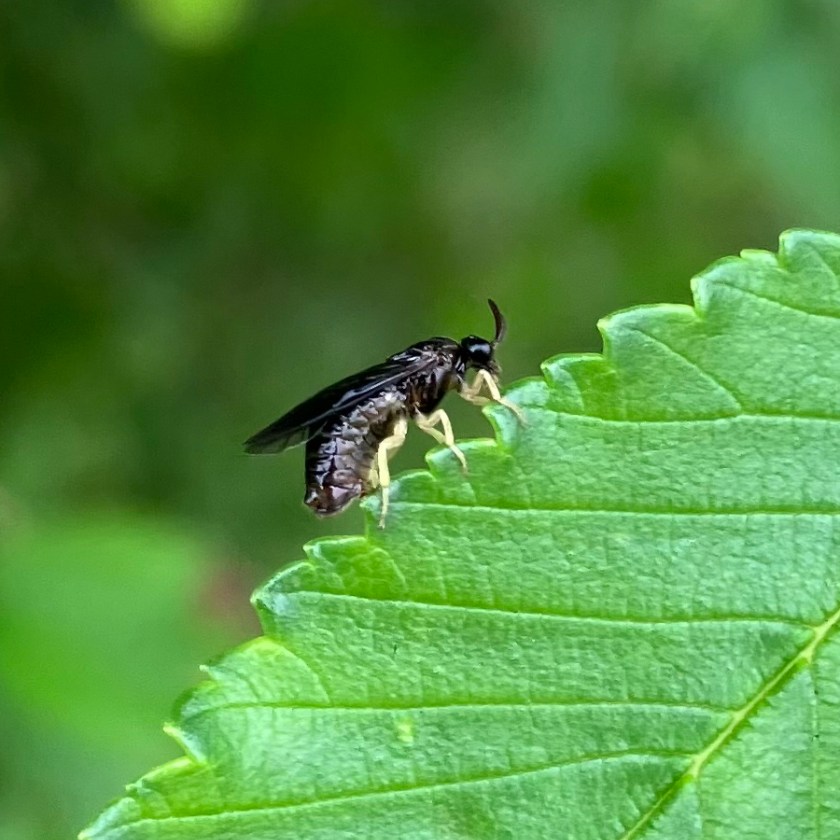


By Riley Wilson
Rising levels of per- and polyfluoroalkyl substances (PFAS) contamination are prompting scientists to question whether the Great Lakes can safely sustain surrounding communities. A recent study shows signs of declining PFAS pollution in these waters using archived fish.
By Riley Wilson
Rising levels of per- and polyfluoroalkyl substances (PFAS) contamination are prompting scientists to question whether the Great Lakes can safely sustain surrounding communities. A recent study shows signs of declining PFAS pollution in these waters using archived fish.
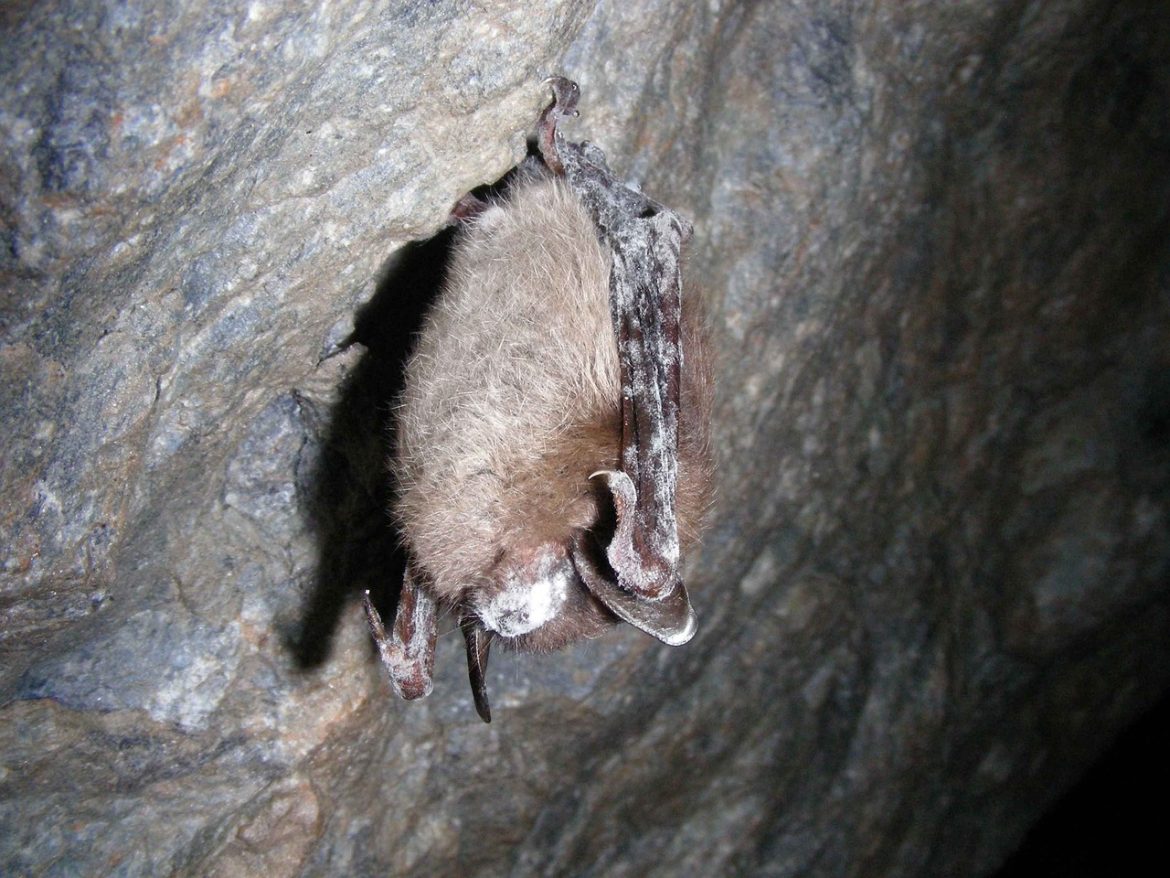


Michigan officials are treating a river to control invasive sea lamprey larvae, a parasitic fish that attaches to other fish and feeds on their blood and body fluids, causing major […]
Michigan officials are treating a river to control invasive sea lamprey larvae, a parasitic fish that attaches to other fish and feeds on their blood and body fluids, causing major […]


By Isabella Figueroa Nogueira
The number of bald eagles in Michigan is declining. Workers are finding empty and damaged nests, malnourished eaglets and adult bald eagles attempting to nest a second time after failed attempts. Funding delays aren't helping.
By Isabella Figueroa Nogueira
The number of bald eagles in Michigan is declining. Workers are finding empty and damaged nests, malnourished eaglets and adult bald eagles attempting to nest a second time after failed attempts. Funding delays aren't helping.
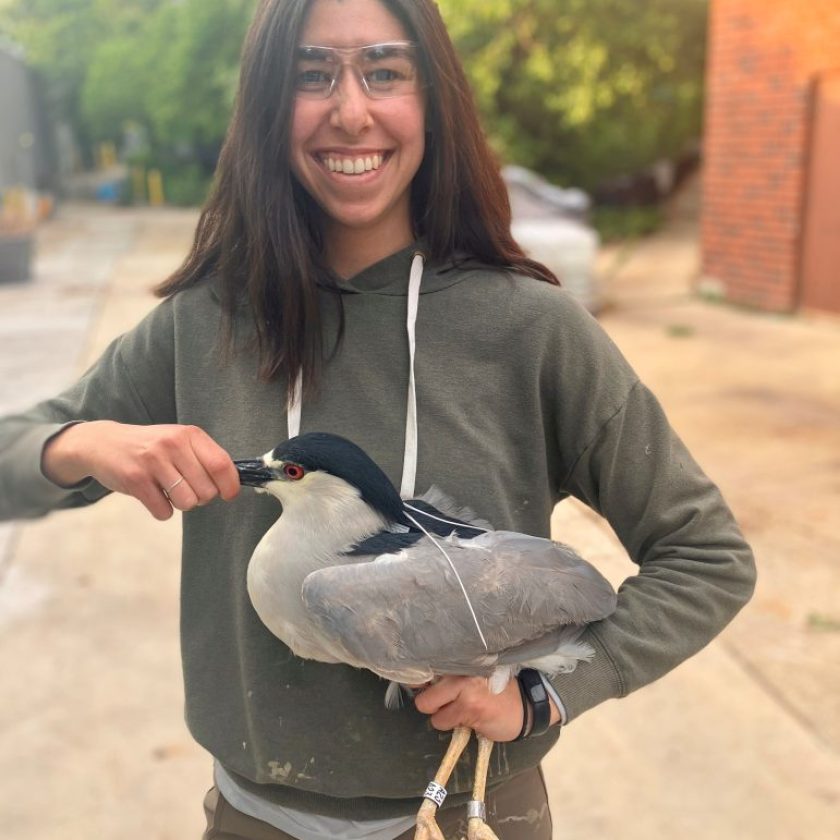
By Kyrmyzy Turebayeva
While urbanization continues to displace natural ecosystems across the Great Lakes region, one declining wetland bird has managed to adapt to city life -- the black-crowned night heron.
By Kyrmyzy Turebayeva
While urbanization continues to displace natural ecosystems across the Great Lakes region, one declining wetland bird has managed to adapt to city life -- the black-crowned night heron.