By Victoria Witke
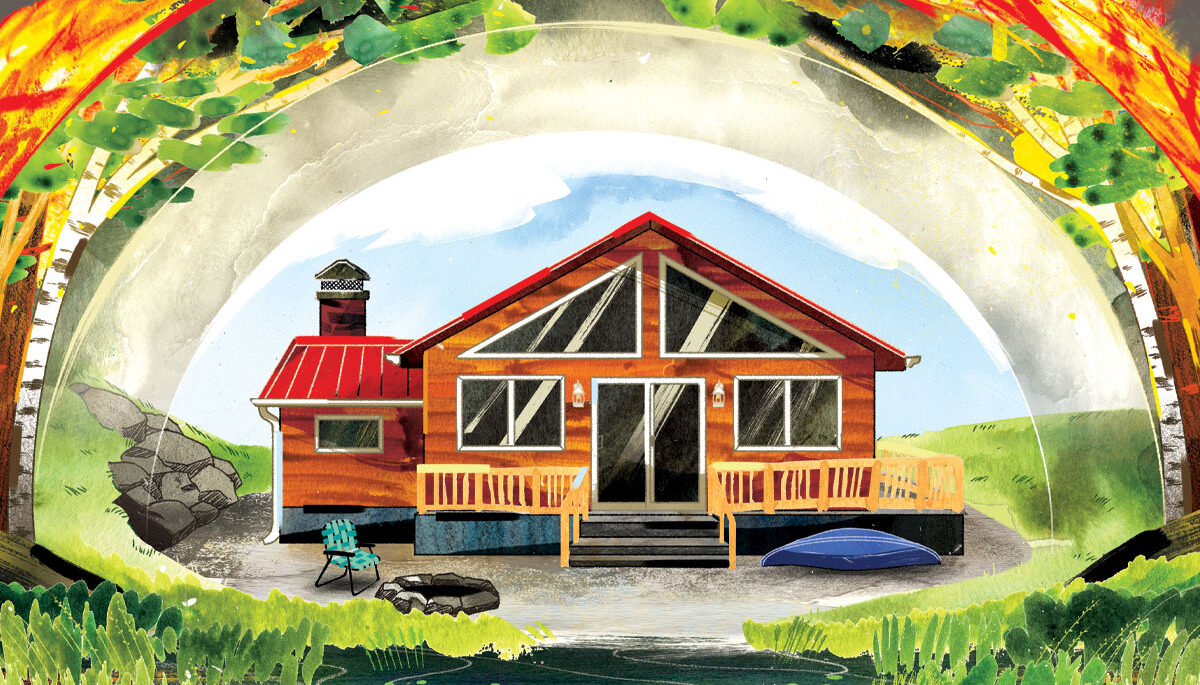
New research shows Anishinaabe fire practices shaped today’s Great Lakes ecosystems. The region’s forests never existed and can’t continue to exist without people – or fire.
The post Anishinaabe fire practices shaped Great Lakes ecosystems, new research shows first appeared on Great Lakes Echo.Long a threat to southern Ontario lakes, climate change is allowing cyanobacteria, also known as blue-green algae, to thrive in even the coldest of the Great Lakes. Read the full […]
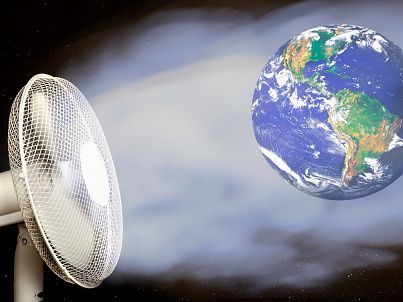
An updated report confirms climate change is affecting the Great Lakes region through warmer and wetter weather, greater fluctuation in lake levels and disappearing fish populations. Read the full story […]
As a result of warming waters, increasingly variable seasonal changes and lakeshore development, walleye numbers in some lakes are dwindling. Losing the species would mean losing a food source for […]
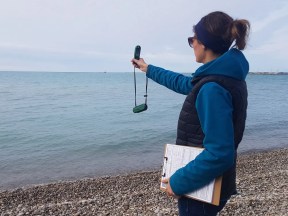
Local municipalities and environmental partners are coming together in a landmark effort to build climate resilience along the shores of Lake Huron. Maitland Conservation is launching the Southern Lake Huron […]
HURON – Environment and Climate Change Canada has issued a special air quality statement as smoke from wildfires in the west begins clouding the Huron County area. The June 5 statement encompasses southern Huron County, Bluewater, Goderich, northern Huron County, Wingham and Blyth. According to a press release from Huron Perth public health, wildfire smoke […]