By Kyrmyzy Turebayeva
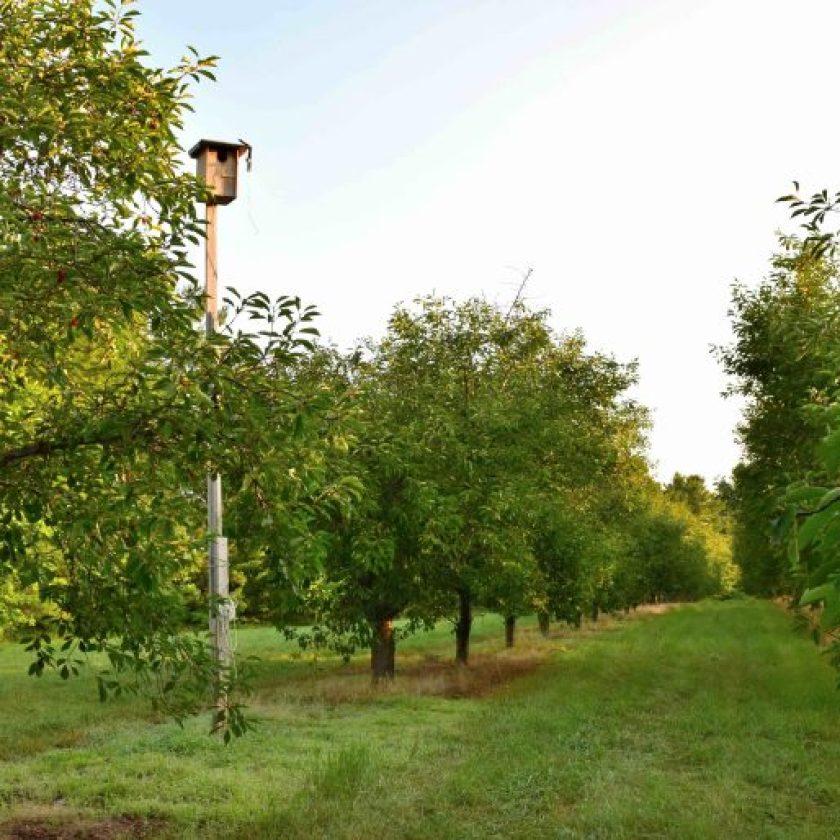
Downriver Detroit developed during the 20th century as an industrial region, but it was never just an industrial space. Alongside factories and working-class neighborhoods, there were wetlands, waterfront areas, nature preserves, farms and residential communities with different types of environments that shaped the region. This relationship lies at
By Anna Barnes
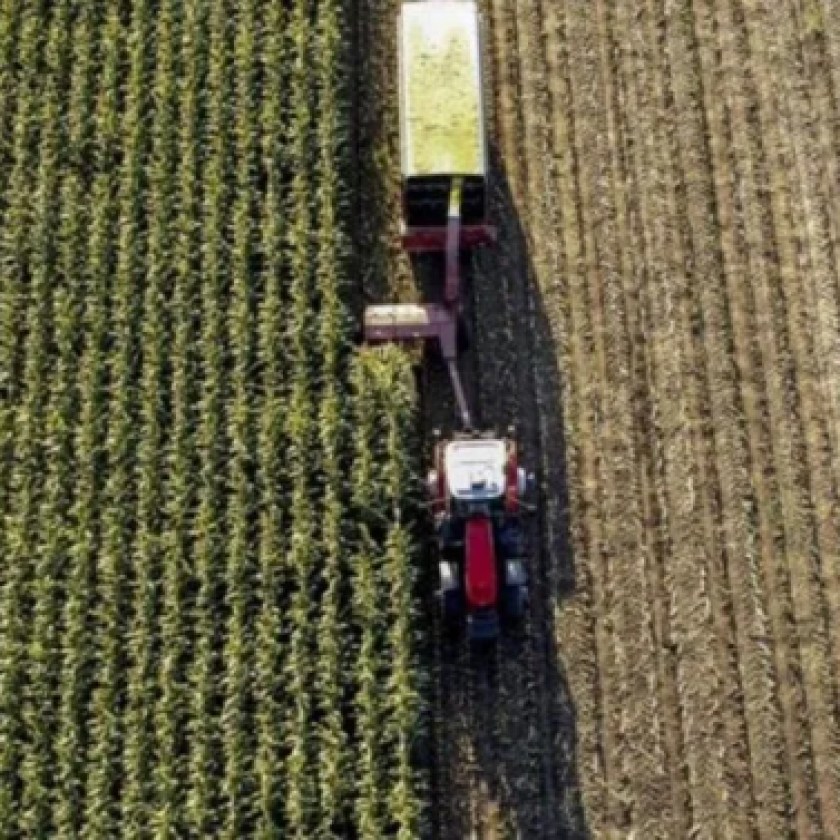
Michigan's supply of nitrogen and phosphorus-based fertilizers has taken a hit from shipping disruptions caused by the U.S. war with Iran. High prices and historic flooding are causing problems for the state's corn and soybean farmers.
By Julia Roeder
An April survey from the American Farm Bureau Federation found nearly 70% of U.S. farmers say they cannot afford fertilizer. It also found almost half of Midwestern farmers report they cannot afford all the supplies they need.
By Lily Cole
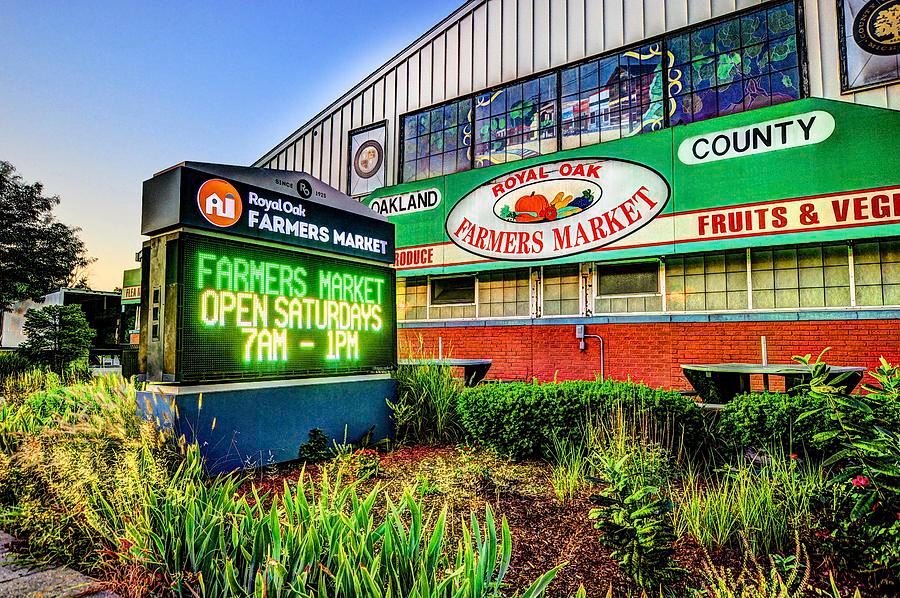
Nationally, farmers markets are growing rapidly. The U.S. Department of Agriculture reported 2,863 markets in 2000, with that number rising to more than 8,700 in 2025. In Michigan alone, more than 200 markets offer amenities for patrons, including fresh produce and special events.
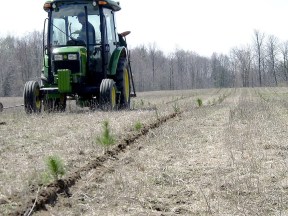
Farmers across the Saugeen, Maitland, and Pine River watersheds are invited to attend an upcoming tree planting workshop at the Lucknow legion and learn how to access up to 100 per cent funding coverage for on-farm projects. On April 9, attendees will hear presentations from guest speakers Kate Procter of