
Image


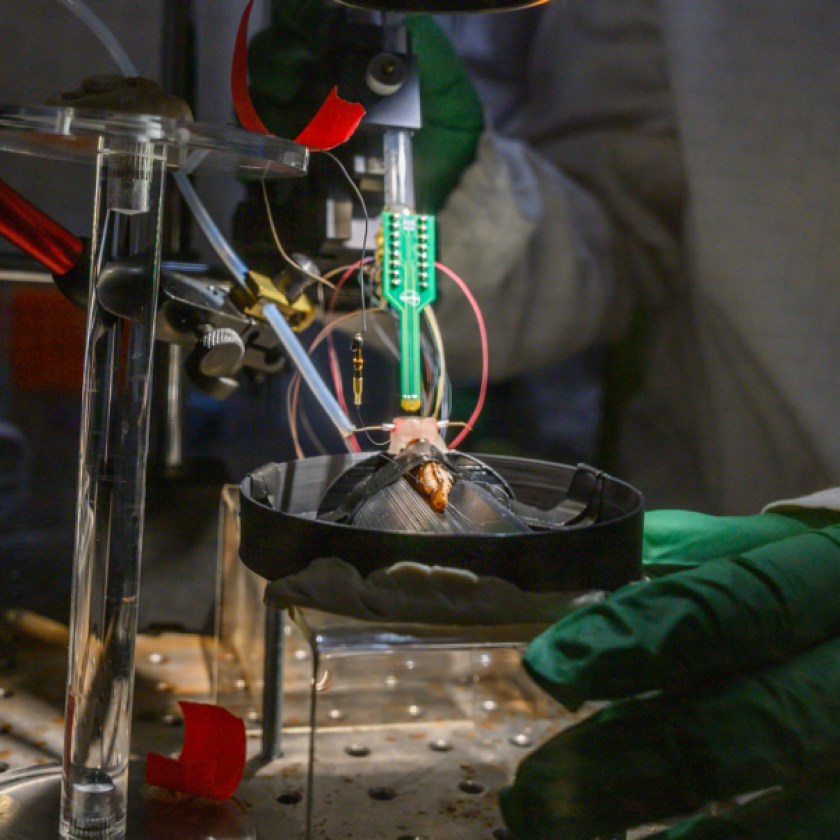
Researchers at Michigan State University are exploring an unexpected new tool that could reshape how scientists detect so-called forever chemicals in lakes, rivers and wetlands across the Great Lakes. Scientists have discovered that locusts can sniff out PFAS contaminants down to parts per trillion, a level of detection far beyond


Image


By Bauyrzhan Zhaxylykov Bald eagles are helping scientists uncover where per- and polyfluoroalkyl substances, or PFAS, contamination may be coming from across Wisconsin and the Great Lakes region.


Image


By Riley Wilson Rising levels of per- and polyfluoroalkyl substances (PFAS) contamination are prompting scientists to question whether the Great Lakes can safely sustain surrounding communities. A recent study shows signs of declining PFAS pollution in these waters using archived fish.


Image


By Karlee VanAntwerp The Michigan Department of Agriculture and Rural Development will give out $400,000 in grants for research about PFAS on farmlands and livestock.