
By Mia Litzenberg
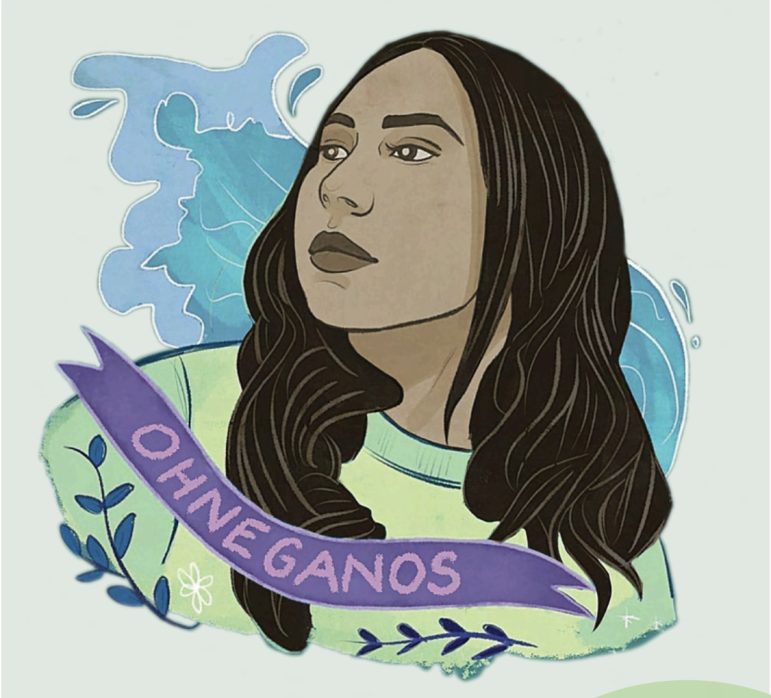
The Six Nations of the Grand River face ongoing water insecurity from pollution, climate change and corporate extraction. Many years of Indigenous water advocacy have led to the development of a new Haudenosaunee Environmental Research Institute as the next step to overcome these challenges.
The post Water is Life, Six Nations lead international approach to long-standing water insecurity first appeared on Great Lakes Echo.By Mia Litzenberg
The Six Nations of the Grand River face ongoing water insecurity from pollution, climate change and corporate extraction. Many years of Indigenous water advocacy have led to the development of a new Haudenosaunee Environmental Research Institute as the next step to overcome these challenges.
The post Water is Life, Six Nations lead international approach to long-standing water insecurity first appeared on Great Lakes Echo.By Kyrmyzy Turebayeva
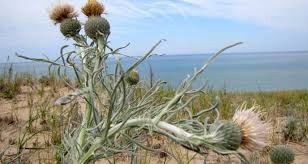
More than 30 years ago, a group of scientists planted just 4,200 seeds of the rare Pitcher’s thistle in the sandy dunes of the Great Lakes. At the time, no one knew if the new populations would survive. Today, three decades later, the restored populations are thriving and spreading.
The post How seeds from the past are saving a unique flower of the Great Lakes first appeared on Great Lakes Echo.By Kyrmyzy Turebayeva
More than 30 years ago, a group of scientists planted just 4,200 seeds of the rare Pitcher’s thistle in the sandy dunes of the Great Lakes. At the time, no one knew if the new populations would survive. Today, three decades later, the restored populations are thriving and spreading.
The post How seeds from the past are saving a unique flower of the Great Lakes first appeared on Great Lakes Echo.By Kyrmyzy Turebayeva
In the late 1970s, when most wildlife conservation programs in the United States focused almost exclusively on game species, a quiet but historic shift began in Minnesota. It was here that one of the nation’s first state programs dedicated to protecting so-called nongame wildlife emerged from butterflies and bats to bald eagles and river otters. That story is now told in detail by Carrol Henderson in his new book, “A National Legacy: Fifty Years of Nongame Wildlife Conservation in Minnesota."
The post From otters to butterflies: How Minnesota became a pioneer in nongame wildlife conservation first appeared on Great Lakes Echo.By Kyrmyzy Turebayeva
In the late 1970s, when most wildlife conservation programs in the United States focused almost exclusively on game species, a quiet but historic shift began in Minnesota. It was here that one of the nation’s first state programs dedicated to protecting so-called nongame wildlife emerged from butterflies and bats to bald eagles and river otters. That story is now told in detail by Carrol Henderson in his new book, “A National Legacy: Fifty Years of Nongame Wildlife Conservation in Minnesota."
The post From otters to butterflies: How Minnesota became a pioneer in nongame wildlife conservation first appeared on Great Lakes Echo.By Ada Tussing
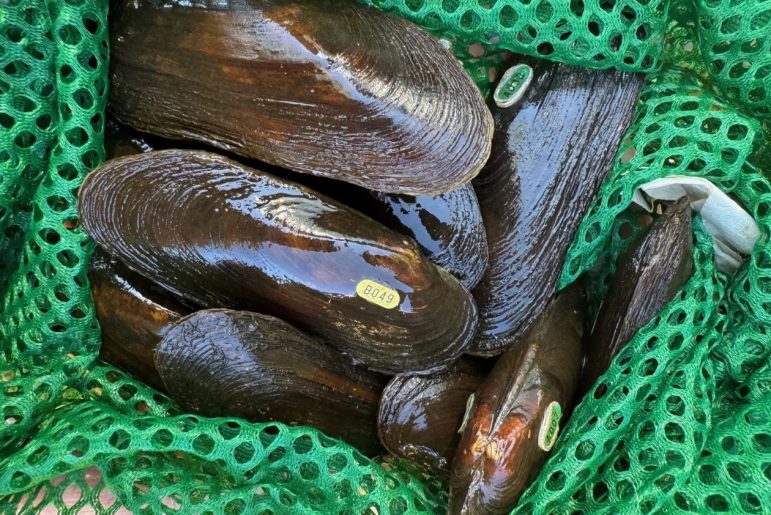
To combat the population loss of spectaclecase mussels, researchers with both the Minnesota and the Wisconsin Department of Natural Resources released over 177 mussels into the Chippewa River in Northwest Wisconsin.
The post Endangered spectaclecase mussels reintroduced into the Chippewa River first appeared on Great Lakes Echo.By Ada Tussing
To combat the population loss of spectaclecase mussels, researchers with both the Minnesota and the Wisconsin Department of Natural Resources released over 177 mussels into the Chippewa River in Northwest Wisconsin.
The post Endangered spectaclecase mussels reintroduced into the Chippewa River first appeared on Great Lakes Echo.