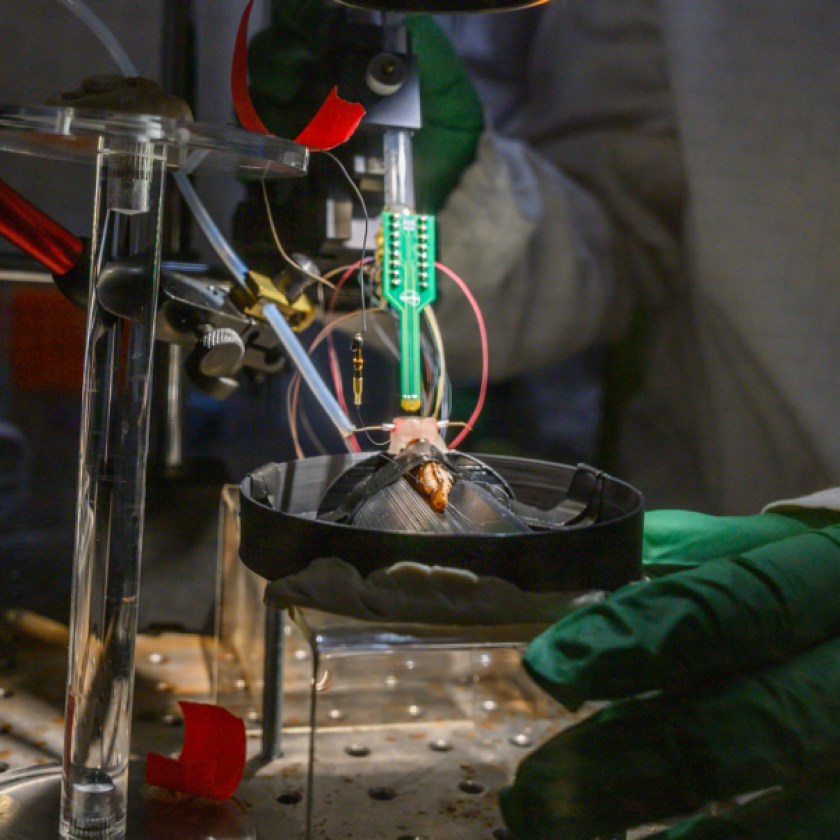
Researchers at Michigan State University are exploring an unexpected new tool that could reshape how scientists detect so-called forever chemicals in lakes, rivers and wetlands across the Great Lakes. Scientists have discovered that locusts can sniff out PFAS contaminants down to parts per trillion, a level of detection far beyond
The Wisconsin Department of Natural Resources can now set special bag and size limits for fishing in lakes where walleye populations are struggling. Under the rule, the DNR could more […]
Howard Allen Tanner, the groundbreaking conservationist who revolutionized the fishing landscape of the Great Lakes in the 1960s, has died. As chief of Michigan’s Fisheries Division, Mr. Tanner spearheaded the […]
The Illinois Department of Natural Resources’ recent discovery of juvenile invasive carp closer than ever to the Great Lakes sent shockwaves through the region. With the threat to the region’s […]
A lifelong passion for hunting, fishing and conservation has led a Tecumseh, Michigan, resident to invest millions of dollars in programs that support Great Lakes research and student learning at […]
Lake Erie came in second, behind Lake Michigan, among top fishing destinations. All five Great Lakes and Lake St. Clair make the top ten list. Read the full story by […]
State crews are lowering a popular northern Michigan fishing lake named Tomahawk Creek Flooding in Allis Township after suspected seepage was found below its aging dam. Read the full story […]
Lake Michigan has been named the best fishing lake in the United States for 2026 by FishingBooker, a website that helps people book fishing trips. Read the full story by Milwaukee […]
The Michigan Department of Natural Resources is asking for tips to find the person who they say left a dead lake sturgeon on a road in Whitehall, Michigan. Damage to […]
By Anna Barnes
Officials from Michigan's Fisheries division say further cutbacks on staffing and fish stocking are likely as the costs of operations rise.
By Kyrmyzy Turebayeva
Downriver Detroit developed during the 20th century as an industrial region, but it was never just an industrial space. Alongside factories and working-class neighborhoods, there were wetlands, waterfront areas, nature preserves, farms and residential communities with different types of environments that shaped the region. This relationship lies at