For the Clinton River Watershed Council, Great Lakes Restoration Initiative funding is more than a grant program. Across the watershed in southeast Michigan, GLRI support helps restore habitat, improve water […]
Lawmakers have until the end of September to pass bipartisan legislation reauthorizing the landmark program that supports Great Lakes restoration and protection before its current authorization expires − creating a […]
Ann Arbor, Mich. – The Great Lakes Commission (GLC) has launched a new online resource that allows users to quickly check state and federal regulations before buying or
By Isabella Figueroa Nogueira
The number of bald eagles in Michigan is declining. Workers are finding empty and damaged nests, malnourished eaglets and adult bald eagles attempting to nest a second time after failed attempts. Funding delays aren't helping.
Ohio officials have urged Congress to reauthorize the soon-to-expire Great Lakes Restoration Initiative, describing it as a crucial tool for protecting drinking water, fighting invasive species and supporting a regional […]
Michigan reduced funding for invasive species projects by $1.2 million. Conservation organizations like the regional Cooperative Invasive Species Management Areas (CISMAs) are rethinking their funding priorities for 2026 and beyond.
By Riley Wilson
Climate change, invasive species and other human-driven pressures are among the leading causes of declining freshwater health in the Great Lakes, the National Wildlife Federation reports. There's a growing need for community engagement to protect the lakes, one study finds.
Rep. Kristen McDonald Rivet of Michigan celebrated the bipartisan American Water Stewardship Act after it passed the U.S. House. This allows reauthorization of funds for several regional water quality programs […]
Washington, D.C. – A binational coalition of regional agencies, Indigenous Nations, legislators, local communities, and business, maritime and environmental groups today released shared priorities for restoring the Great
Ann Arbor, Michigan — The Great Lakes Commission (GLC) today released its 2026 agenda for the Great Lakes. The binational government agency calls for continued strategic investment in the lakes,
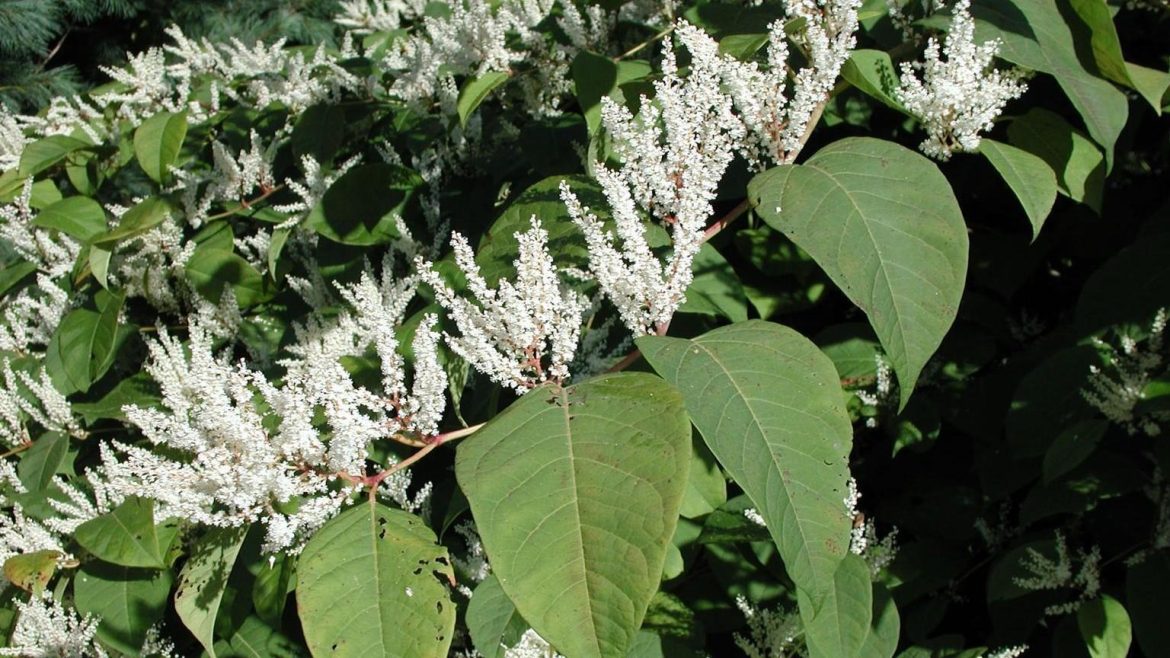
Ann Arbor, Michigan – Nearly $315,000 will be awarded to support local organizations in controlling nonnative Phragmites australis, one of the most aggressive plant species invading the