Image


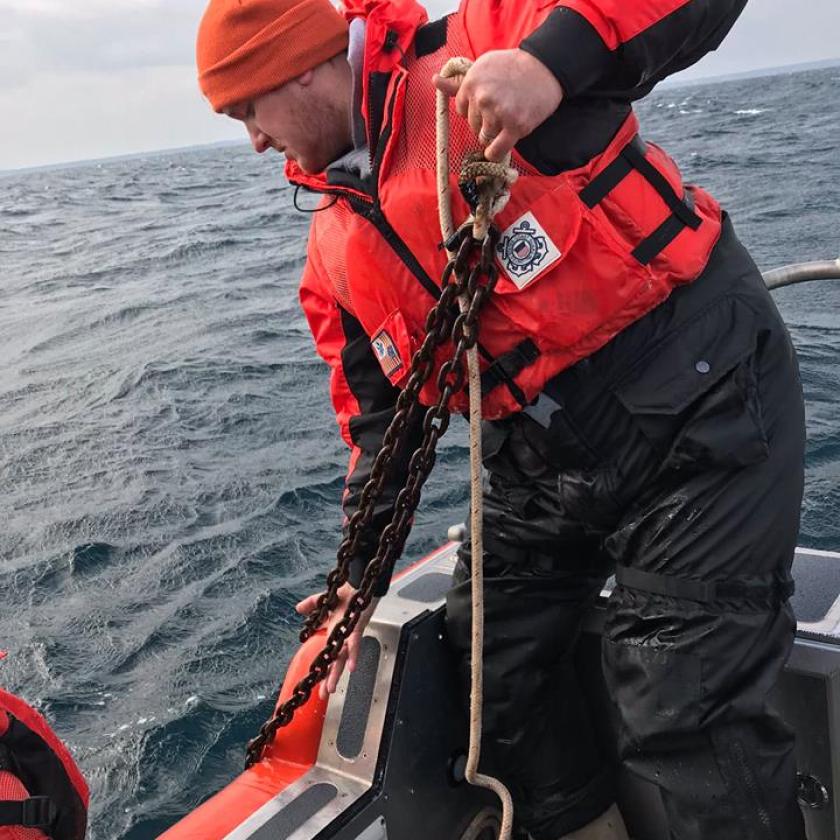
By Riley Wilson Rising levels of per- and polyfluoroalkyl substances (PFAS) contamination are prompting scientists to question whether the Great Lakes can safely sustain surrounding communities. A recent study shows signs of declining PFAS pollution in these waters using archived fish.


Image


After a snowy winter and cool, wet spring, local gardeners are understandably eager to get outside and get dirty. Members of the Ripley and District Horticultural Society (RDHS) have been busy attending and planning events for education and community beautification. The Ontario Horticultural Association (OHA) District 8 Annual General Meeting


Image


All are invited to the grand opening of the Lucknow and District Kinsmen Club’s new headquarters on May 9. Located on the Graceland Event Grounds in the heart of Lucknow, the 9,700 square foot Kin Centre includes the Kinsmen Hall meeting room, ample storage space, and a new centre for the


Image


By Karlee VanAntwerp The Michigan Department of Agriculture and Rural Development will give out $400,000 in grants for research about PFAS on farmlands and livestock.


Image


By Samantha Plunkett For residents of Dearborn, Michigan, creating greenspaces in the community has been an important mission for schools and researchers. In a recent study, academics from the University of Michigan-Dearborn partnered with Salina schools to assess their outdoor play spaces.


Image


By Amelia Fraser When many people think of winter sports and hobbies, snow often comes to mind. But what happens when the snow is no longer around? Climate change studies have shown that as the planet warms, snowfall will decline, leaving skiing, snowboarding and other winter sports at risk of fading


Image


Students from across the Bruce-Grey Catholic District School Board (BGCDSB) recently gathered for the second annual BGCDSB Robotics Challenge held at St. Anthony’s Catholic School in Kincardine. “Watching our students bridge the gap between classroom theory and hands-on application is truly inspiring,” said Nicole Batte, educational technology consultant for BGCDSB


Image


By Riley Wilson Climate change, invasive species and other human-driven pressures are among the leading causes of declining freshwater health in the Great Lakes, the National Wildlife Federation reports. There's a growing need for community engagement to protect the lakes, one study finds.