The Ontario government is investing up to $1.8 million in community-led projects to make Great Lakes cleaner and healthier, through the fourth round of the Great Lakes Local Action Fund. […]
Blooms of potentially toxic blue-green algae in the waters of Lake Superior have led to a call for action to counter threats to human health and the regional economy around […]
By Anna Barnes
Researchers at Michigan State University say they've developed a way to more evenly distribute sunlight in algae cultivation systems, which leads to more algae growth that can be used for sustainable products.
By Bauyrzhan Zhaxylykov
Bald eagles are helping scientists uncover where per- and polyfluoroalkyl substances, or PFAS, contamination may be coming from across Wisconsin and the Great Lakes region.
On Thursday, Superior Watershed Partnership led a beach grass planting event at McCarty’s Cove in Marquette, Michigan, alongside 13 Michigan Healthy Climate Fellows from across the state. Read the full […]
A lifelong passion for hunting, fishing and conservation has led a Tecumseh, Michigan, resident to invest millions of dollars in programs that support Great Lakes research and student learning at […]
Ann Arbor, Mich. – The Great Lakes Commission (GLC) has launched a new online resource that allows users to quickly check state and federal regulations before buying or
By Kyrmyzy Turebayeva
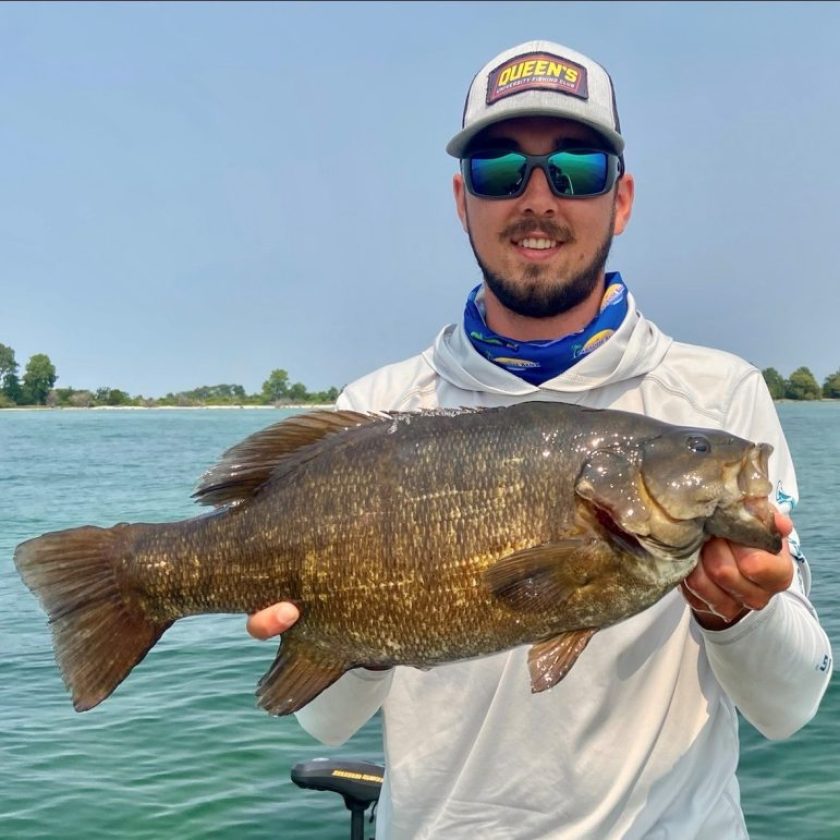
A new study based on data from competitive angling events in the Great Lakes found that more than 20% of black bass weighed-in at these events are over 10 years old.
By Kyrmyzy Turebayeva
Downriver Detroit developed during the 20th century as an industrial region, but it was never just an industrial space. Alongside factories and working-class neighborhoods, there were wetlands, waterfront areas, nature preserves, farms and residential communities with different types of environments that shaped the region. This relationship lies at