By Bauyrzhan Zhaxylykov
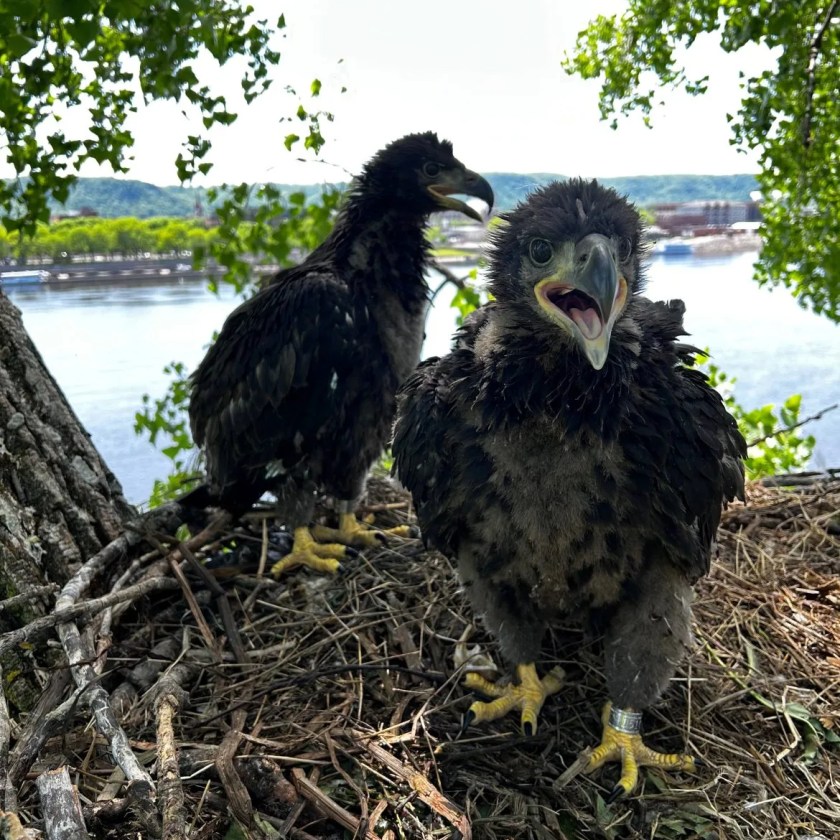
Bald eagles are helping scientists uncover where per- and polyfluoroalkyl substances, or PFAS, contamination may be coming from across Wisconsin and the Great Lakes region.
By Elizabeth McGowan
Across the Midwest, precipitation is increasing and falling in heavier bursts, a trend scientists link to a warming atmosphere that can hold more moisture.
By Kyrmyzy Turebayeva
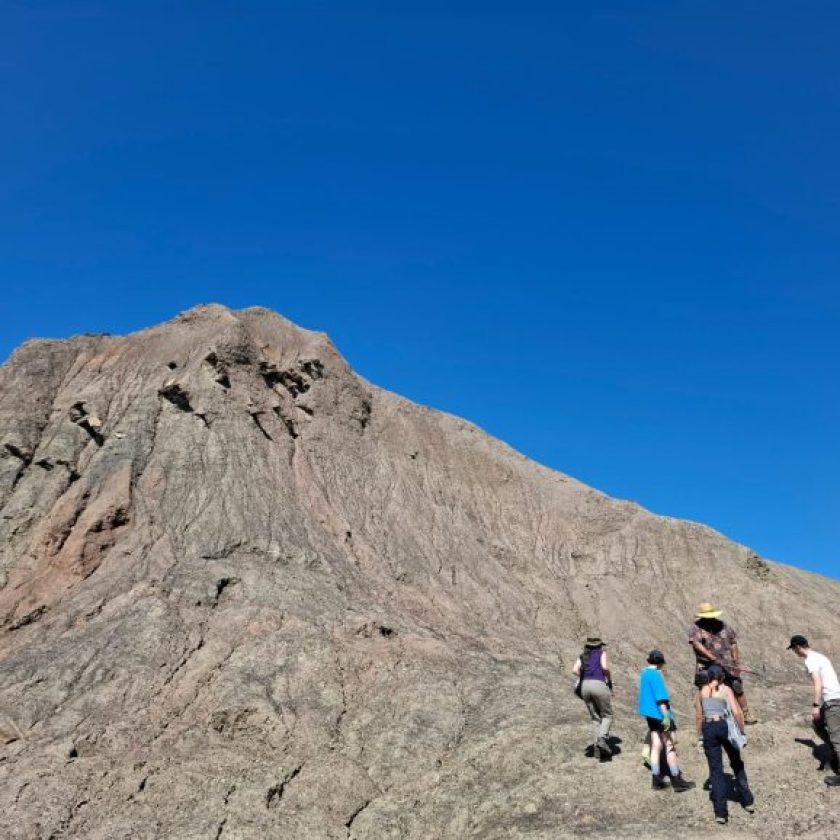
For decades, scientists believed that the earliest four-limbed vertebrates developed much like modern amphibians: They hatched from eggs, passed through a larval tadpole stage and then underwent metamorphosis into adults. However, a new study published in Science challenges that long-held view.
By Bauyrzhan Zhaxylykov
Nearly half of Great Lakes beachgoers rarely or never check water quality before swimming, according to a new study by researchers at Toronto Metropolitan University.
By Demonte Thomas
A new female peregrine falcon has appeared at Michigan State University's falcon nesting box atop Spartan Stadium, marking a significant change at a nesting site occupied by peregrine falcons for years.
The Municipality of Kincardine (MOK) is inviting residents to join an interactive community conversation focused on affordable housing, increasing housing supply, and building a community that remains welcoming, vibrant, and attainable for everyone. The event takes place at the Davidson Centre on July 7, from 6 p.m. to 8 p.m
By Carly Carter
Bat populations are plummeting in Minnesota as the deadly white-nose syndrome spreads across caves.
The Maitland Valley Conservation Authority (MVCA) is expressing significant concerns following the Province’s move to consolidate Ontario’s 36 conservation authorities into nine regional entities. “We’re calling on the Province to halt this amalgamation plan and commit to improving the unique watershed-based conservation system we all benefit from in this province,”
Michigan reduced funding for invasive species projects by $1.2 million. Conservation organizations like the regional Cooperative Invasive Species Management Areas (CISMAs) are rethinking their funding priorities for 2026 and beyond.
A jury found Meta and YouTube liable for harming a young woman through the addictive design of their social media platforms