Two Ojibwe tribes say a proposed Minnesota permit giving U.S. Steel’s Minntac mine up to 45 years to meet sulfate pollution limits is far too long, citing the loss of […]
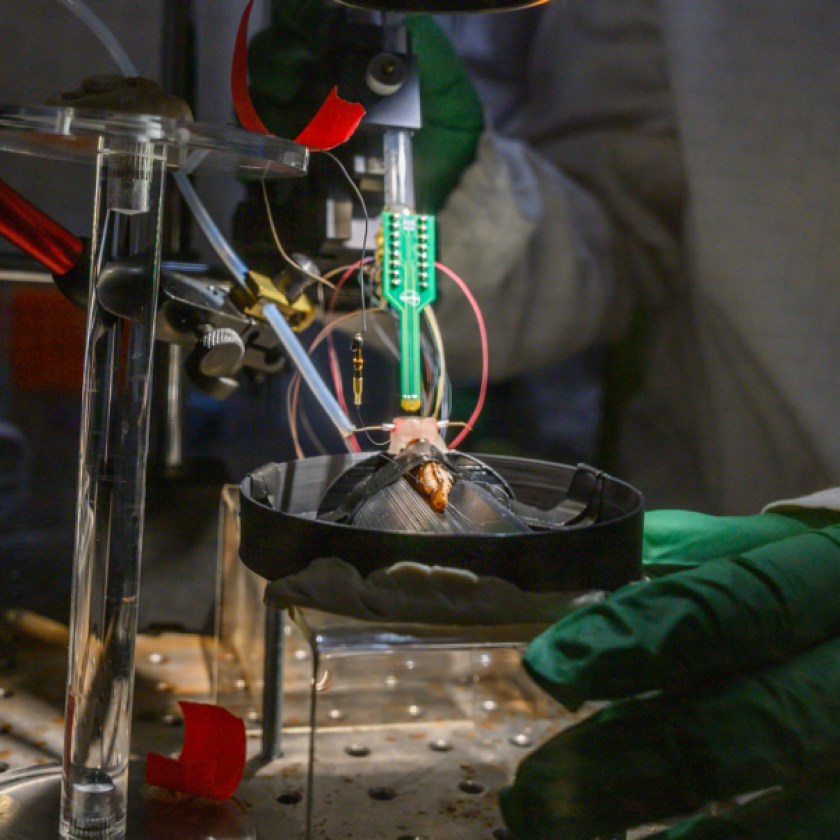
Researchers at Michigan State University are exploring an unexpected new tool that could reshape how scientists detect so-called forever chemicals in lakes, rivers and wetlands across the Great Lakes. Scientists have discovered that locusts can sniff out PFAS contaminants down to parts per trillion, a level of detection far beyond
Data from Lake Guardian surveys help scientists and natural resource managers track how stressors like nutrient pollution, chemical contaminants, and invasive species affect the ecology of the Great Lakes over time. Read […]
For over a century, the St. Louis River Estuary had a bad reputation due to years of wastewater dumping and industrialization. Since being designated as an area of concern, state […]
By Anna Barnes
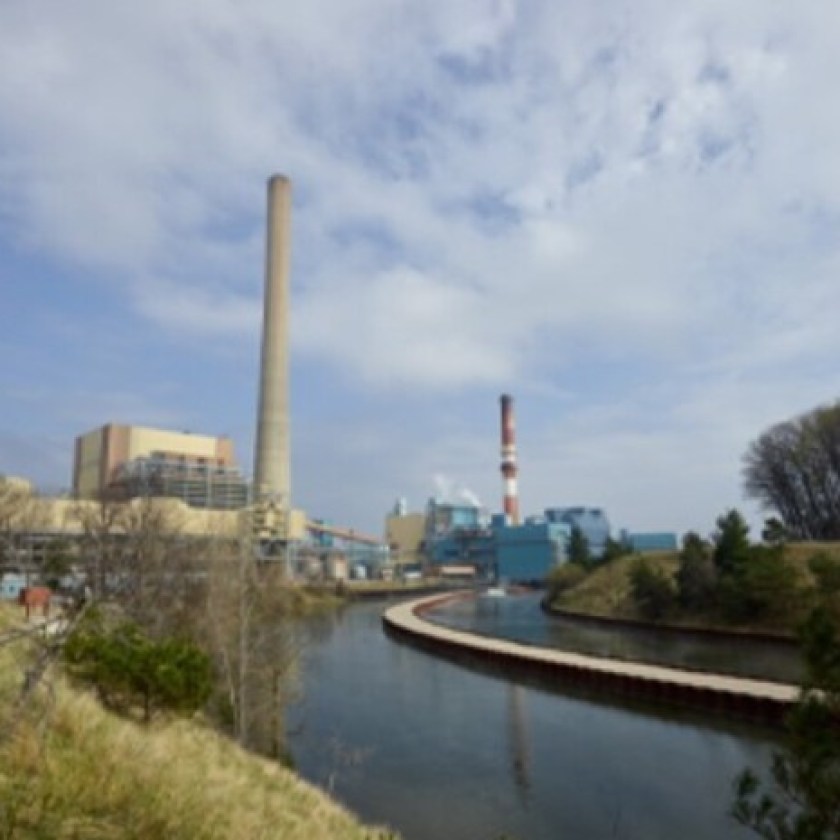
Michigan Attorney General Dana Nessel plans to file another request for rehearing with the U.S. Department of Energy over a coal-fired power plant near Lake Michigan operated by Consumers Energy.
By Julia Roeder
While health officials urge people to stay indoors due to the smoke draping the Midwest, experts say we should remember that the same polluted air affecting humans also threatens animals.
By Julia Roeder
For more than a decade, conservation groups have fought to protect the Boundary Waters Canoe Area Wilderness from proposed copper-nickel mining. Advocates are entering a new phase amid the rollback of federal protections.
A new cross-lake truck ferry service in Lake Erie, launching in 2028, will cut travel time, reduce pollution, and boost U.S.-Canada trade. A new cross-lake truck ferry service will connect […]
By Bauyrzhan Zhaxylykov
Nearly half of Great Lakes beachgoers rarely or never check water quality before swimming, according to a new study by researchers at Toronto Metropolitan University.
By Kyrmyzy Turebayeva
Downriver Detroit developed during the 20th century as an industrial region, but it was never just an industrial space. Alongside factories and working-class neighborhoods, there were wetlands, waterfront areas, nature preserves, farms and residential communities with different types of environments that shaped the region. This relationship lies at