Howard Allen Tanner, the groundbreaking conservationist who revolutionized the fishing landscape of the Great Lakes in the 1960s, has died. As chief of Michigan’s Fisheries Division, Mr. Tanner spearheaded the […]
By Elizabeth McGowan
Across the Midwest, precipitation is increasing and falling in heavier bursts, a trend scientists link to a warming atmosphere that can hold more moisture.
By Kyrmyzy Turebayeva
Michigan is actively expanding electric vehicle infrastructure and promoting the transition to electric transportation. However, the presence of charging stations does not necessarily mean that all residents can equally benefit from electric vehicles.
By Kyrmyzy Turebayeva
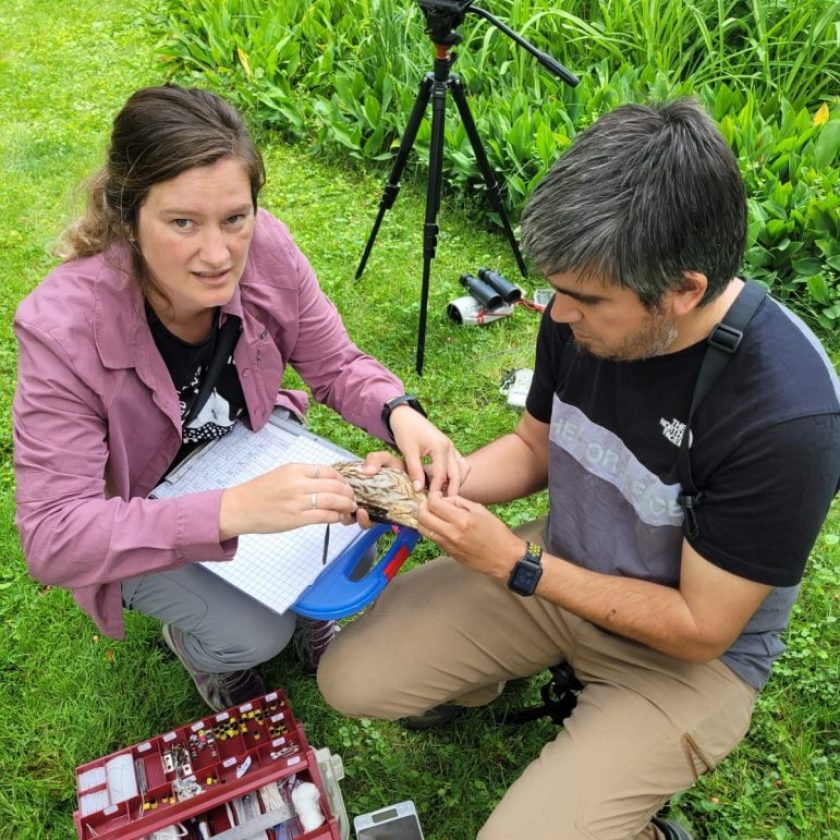
To save endangered piping plovers, scientists are getting creative. One research group explored relocating one of the plovers' predators -- merlins -- away from nesting sites.
Ann Arbor, Mich. – The Great Lakes Commission (GLC) has launched a new online resource that allows users to quickly check state and federal regulations before buying or
A local effort to control the spread of invasive water chestnut along the St. Lawrence River is showing progress, but officials say the plant remains a concern and residents of […]
Wealthsimple’s app gives Canadians access to nearly 4,000 event contracts on an American prediction market platform
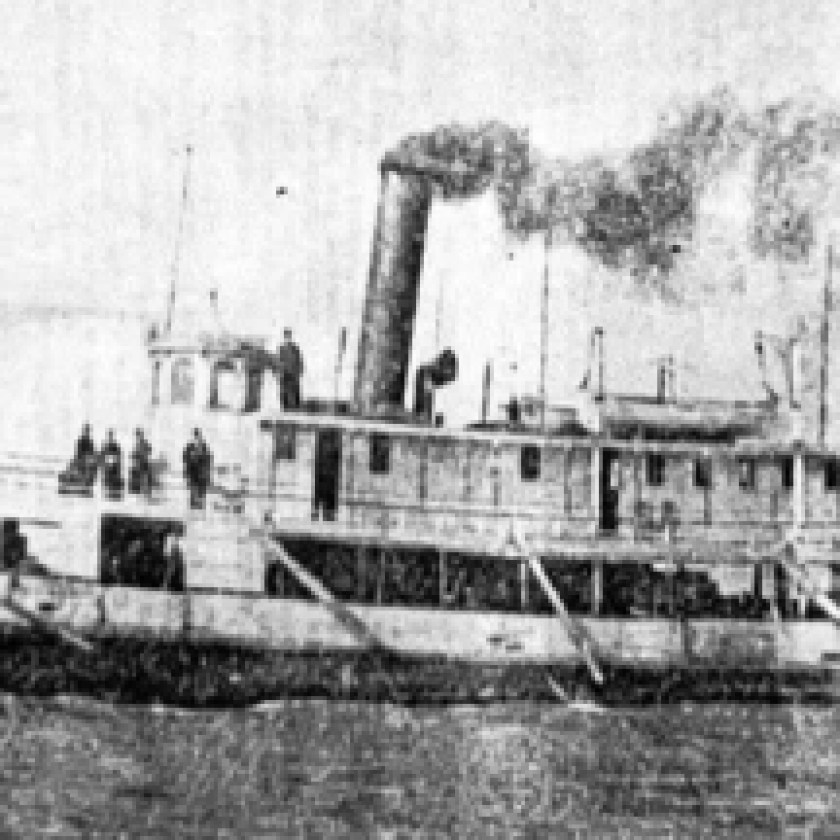
Written by Bruce Krug (September 1965) and submitted by the Bruce County Historical Society On Nov. 21, 1883, the “Erie Belle” was destroyed in a boiler explosion two miles south of Kincardine. She was a wrecking tug owned by a Windsor firm. Previously “Erie Belle” had been a passenger steamer
By Bauyrzhan Zhaxylykov
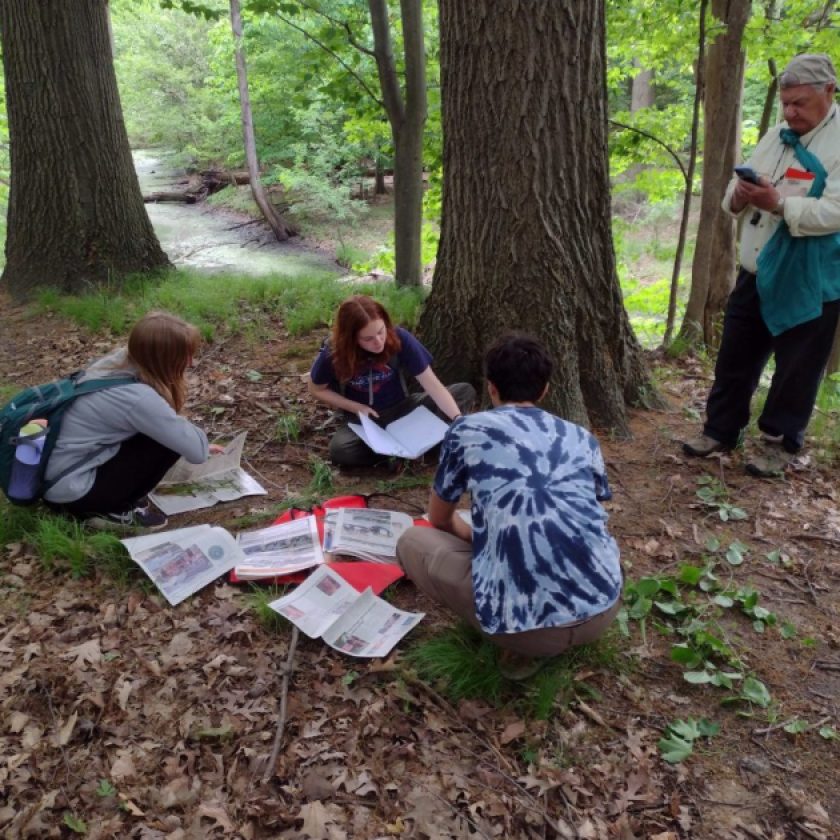
Surrounded by busy roads, neighborhoods and businesses, Ken-O-Sha Park doesn’t look like one of Michigan’s most valuable forests. But a new study found the 100-acre park in Grand Rapids is home to one of the state’s highest-quality remaining forests.
By Kyrmyzy Turebayeva
Downriver Detroit developed during the 20th century as an industrial region, but it was never just an industrial space. Alongside factories and working-class neighborhoods, there were wetlands, waterfront areas, nature preserves, farms and residential communities with different types of environments that shaped the region. This relationship lies at
By Julia Roeder
Researchers say ticks are spreading to communities across the Midwest and show no signs of slowing down.