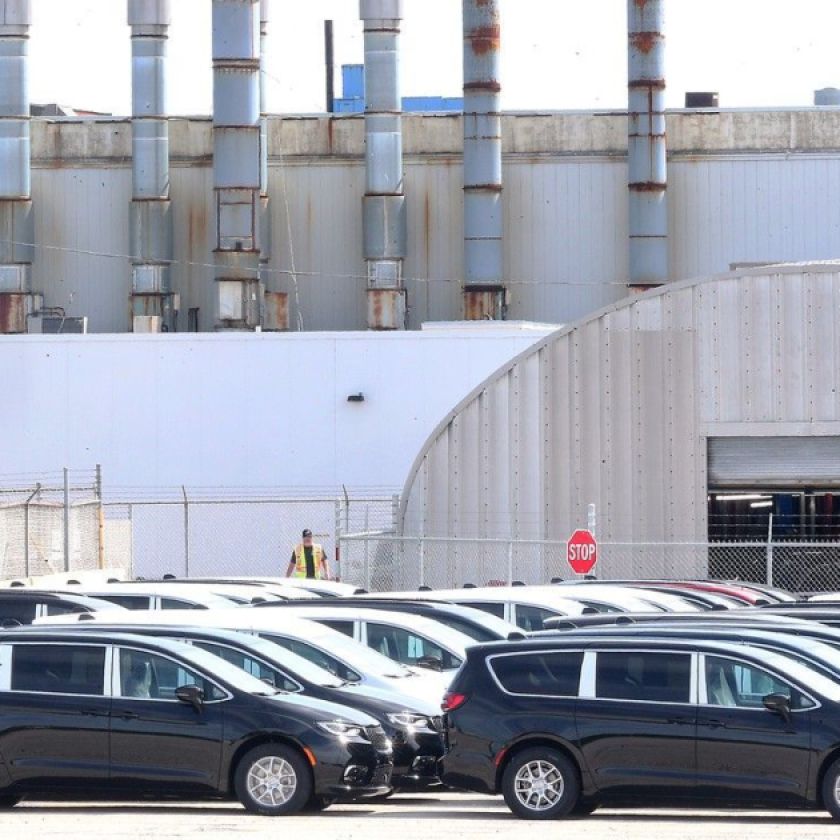
"This investment is about adding capacity in the region.”
When massive solar storms smash into Earth’s magnetic field, they deliver energy and charged particles that scramble satellite electronics
By Lillian Williams
Water and air pollution caused by steel production has been negatively affecting residents of Northwest Indiana for over a century. Environmental advocates say the damage continues.
PCBs — toxic industrial chemicals banned in the U.S. decades ago — still persist in Great Lakes waterways because they accumulate in sediment and move through the food chain, especially […]
By Riley Wilson
Rising levels of per- and polyfluoroalkyl substances (PFAS) contamination are prompting scientists to question whether the Great Lakes can safely sustain surrounding communities. A recent study shows signs of declining PFAS pollution in these waters using archived fish.
The “nurdles” that scattered along I-196 and into Michigan’s Kalamazoo River after a January 27 semi-truck crash are the same industrial pellets that researchers have been finding for years on […]
The Canada-U.S.-Mexico free trade agreement that allows a fully integrated vehicle sector is up for renegotiation.
McQuail and his wife Fran are organic farmers who helped start what is now known as the Ecological Farmer's Association of Ontario.
It could make the difference between mere misery, expense and upheaval and catastrophic global dieback
By Clara Lincolnhol
Michigan is pouring $77 million into clean-up of contaminated abandoned real estate such as former factories. The director of the Department of Environment, Great Lakes and Energy says the goal is to make the cleaned-up sites safe for housing, commercial developments and other uses.
The post Michigan Under the new provincial legislation, businesses, farms, industrial sites, and institutions will be ineligible for curbside collection.
By Camila Bello Castro
A recent case study of a former “abandonment tourism” business in Detroit found a disconnect between the lived experience of many city residents and the lives of the tour participants who were generally white, younger and more international than most Detroiters and generally first-time visitors to the