By Kyrmyzy Turebayeva
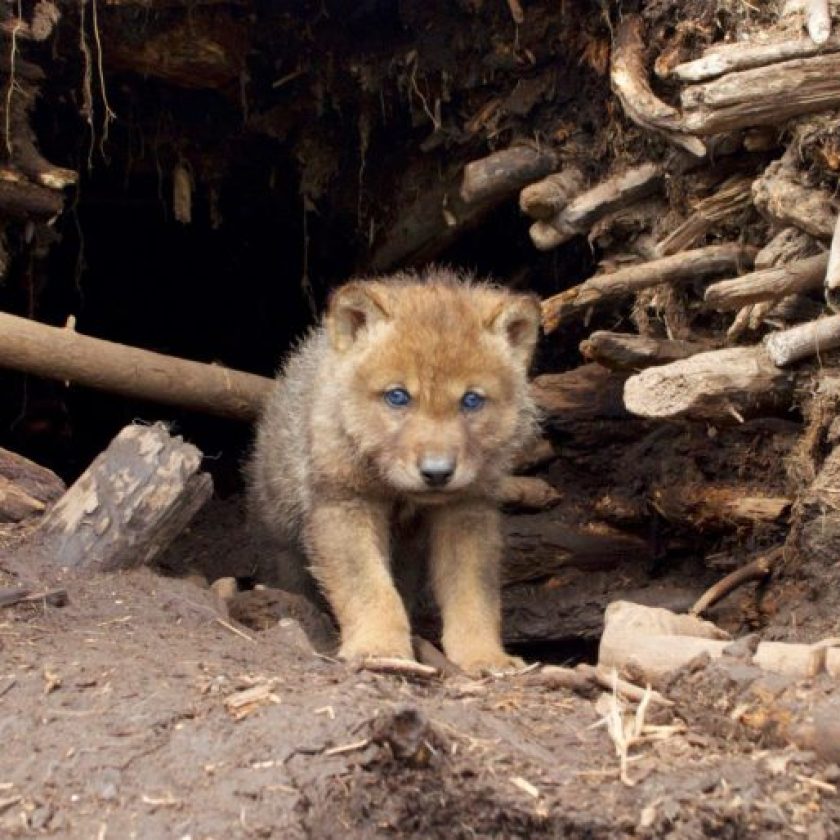
Only about 30 percent of gray wolf pups survive their first year of life even though the wolf population in the region remains stable, according to a new study by researchers at the University of Minnesota.
By Demonte Thomas
Shade, cooler temperatures and improved air quality are among the reasons Lansing, Michigan's “Restoring Roots” project is targeting disadvantaged neighborhoods that have historically had less tree cover and greater exposure to heat.
By Demonte Thomas
The Mid-Michigan Land Conservancy will make its Ionia Natural Area Trail available to the public in October.
By Anna Barnes Michigan’s Department of Natural Resources Fisheries Division has received one-time funding of $350,000 for whitefish recovery. The ailing species has undergone a rapid population decline in recent years, and for the first time, recovery efforts have landed a specific line in the state budget. But officials said while the money will help rescue
HURON – The challenge is simple: spend 75 minutes exploring a Maitland Valley Conservation Authority property and submit an entry for a chance to win one of three outdoor prize packages. The 75-Minute Hiking Challenge is one of several initiatives planned throughout 2026 to celebrate Maitland Conservation’s 75th anniversary.
By Bauyrzhan Zhaxylykov
Nearly half of Great Lakes beachgoers rarely or never check water quality before swimming, according to a new study by researchers at Toronto Metropolitan University.
By Kyrmyzy Turebayeva
Downriver Detroit developed during the 20th century as an industrial region, but it was never just an industrial space. Alongside factories and working-class neighborhoods, there were wetlands, waterfront areas, nature preserves, farms and residential communities with different types of environments that shaped the region. This relationship lies at
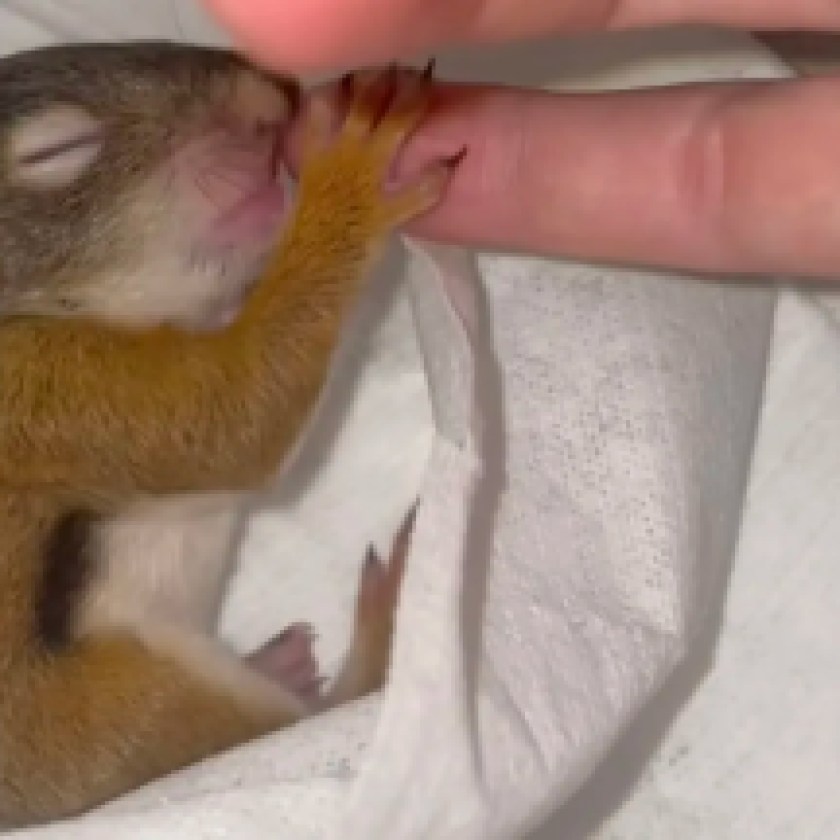
Bruce Wildlife Help hopes to lead the charge in one day establishing a local wildlife rehabilitation centre.
By Kyrmyzy Turebayeva
For Jim Daniels the Rust Belt is defined by people, working families, factory neighborhoods, highways leading north toward the Great Lakes and memories that stay with a person for a lifetime. These themes run throughout his new poetry collection, “Late Invocation for Magic.”
By Anna Barnes
In Michigan, sugar maple populations are rising and eastern redbud trees are making their way north, while coniferous trees, like the black spruce, continue to decline. One suspected cause: climate warming.
Kincardine Township-Tiverton Public School (KTTPS) teachers Brenda Colquhoun and Tracy Hallam were celebrated during a recent assembly at the school as they enter retirement. Below are a few words each submitted in reflection of their careers in education. Tracy Hallam: I began supply teaching after graduating from Teacher’s College and