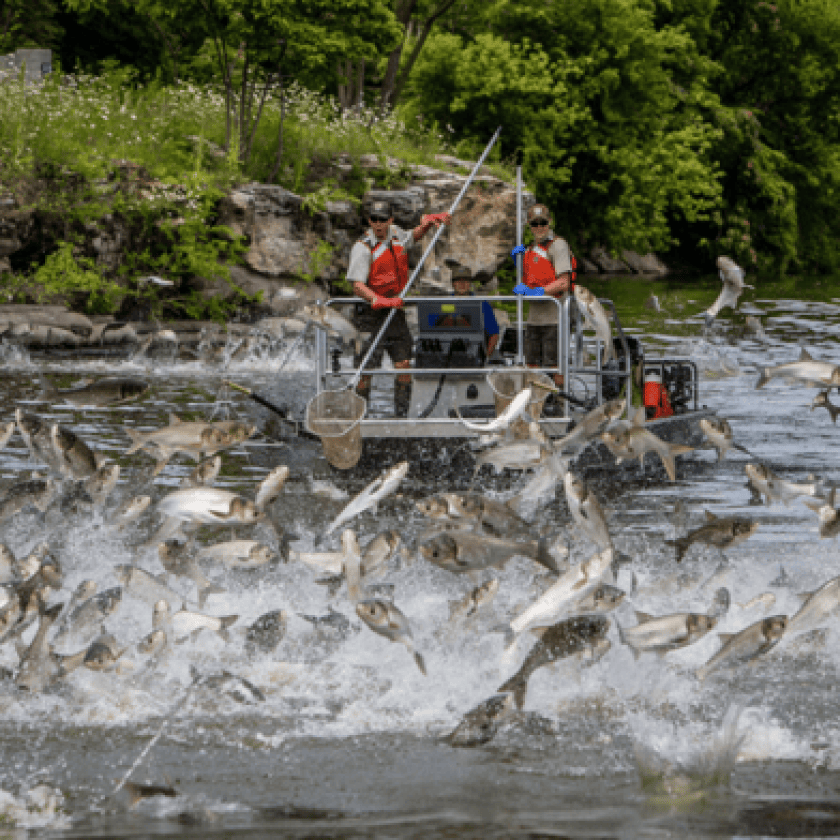
Pink salmon were accidentally introduced to the Great Lakes in the 1950s and have since spread to all five lakes. Researchers are studying their adaptability to predict how they might […]
The Ripley and District Horticultural “For Our Youth” (FOY) club changed things up a little for our April meeting. Instead of freezing our fingers off in the chilly weather to prepare our garden plot at the Bruce Botanical Food Gardens (BBFG), we decided to have a canning, baking and planting
After a snowy winter and cool, wet spring, local gardeners are understandably eager to get outside and get dirty. Members of the Ripley and District Horticultural Society (RDHS) have been busy attending and planning events for education and community beautification. The Ontario Horticultural Association (OHA) District 8 Annual General Meeting
Ohio officials have urged Congress to reauthorize the soon-to-expire Great Lakes Restoration Initiative, describing it as a crucial tool for protecting drinking water, fighting invasive species and supporting a regional […]
Michigan reduced funding for invasive species projects by $1.2 million. Conservation organizations like the regional Cooperative Invasive Species Management Areas (CISMAs) are rethinking their funding priorities for 2026 and beyond.
Lesser celandine, a small but destructive plant quietly spreading across Michigan’s forests and riverbanks, is a “watch list” species in Michigan, meaning its distribution in the state is still limited. […]
Local award-winning filmmakers will take viewers into one of the least accessible and visually striking areas of the Great Lakes on Earth Day. On April 22, Yvonne Drebert and Zach Melnick of Inspired Planet Productions will use a cutting-edge underwater robot to take viewers into the fish-filled waters surrounding the
By Samantha Ku
A newly restored reef at Channel Island in Saginaw Bay is intended to support native fish spawning and increase their numbers, ensuring the sustainability of local fisheries. Construction to restore the nearshore fish spawning reef ended last October.
By Riley Wilson
Climate change, invasive species and other human-driven pressures are among the leading causes of declining freshwater health in the Great Lakes, the National Wildlife Federation reports. There's a growing need for community engagement to protect the lakes, one study finds.
The state of Michigan is offering free opportunities to learn more about some problematic invasive species and related quarantines impacting the Great Lakes region. Read the full story by MLive.
The Ripley and District Horticultural Society (RDHS) embraced St. Patrick’s Day celebrations at the March 17 meeting with most participants sporting green clothing and accessories. Passersby could be forgiven for thinking the Ripley-Huron Community Centre had been invaded by leprechauns as about two dozen participants were rather short in stature