By Kyrmyzy Turebayeva
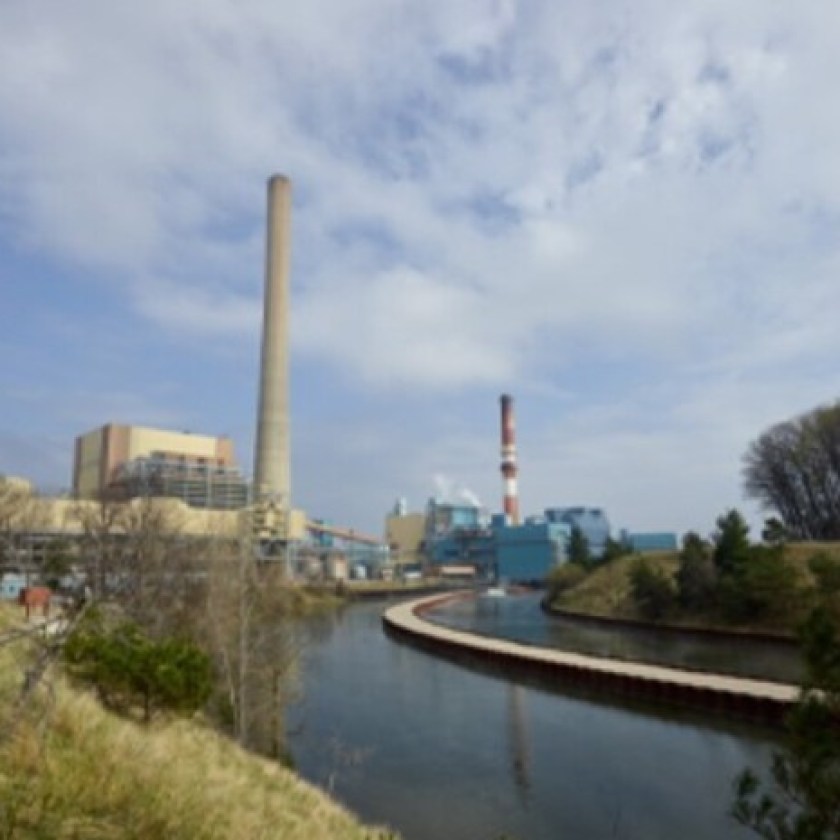
Downriver Detroit developed during the 20th century as an industrial region, but it was never just an industrial space. Alongside factories and working-class neighborhoods, there were wetlands, waterfront areas, nature preserves, farms and residential communities with different types of environments that shaped the region. This relationship lies at
By Julia Roeder
Researchers say ticks are spreading to communities across the Midwest and show no signs of slowing down.
The U.S. Fish and Wildlife Service Migratory Bird Conservation Commission recently granted numerous partners $9 million in North American Wetlands Conservation Act funds. The money will benefit three programs in […]
By Anna Barnes
In Michigan, sugar maple populations are rising and eastern redbud trees are making their way north, while coniferous trees, like the black spruce, continue to decline. One suspected cause: climate warming.
The U.S. Coast Guard has delayed deploying some lighted buoys in the Great Lakes due to unanticipated maintenance needs. Read the full story by Up North Live.
By Kyrmyzy Turebayeva
While urbanization continues to displace natural ecosystems across the Great Lakes region, one declining wetland bird has managed to adapt to city life -- the black-crowned night heron.
By Victoria Witke
Wildfire risk is predicted to stay elevated in the Upper Midwest from drought and high winds. That’s risky for the region’s pristine inland lakes, but land managers are working to reduce wildfire risk in the Northwoods with controlled burns.
By Victoria Witke
Wildfire risk is high in the upper Great Lakes, and research shows that large, scorching wildfires spell trouble for lakes in the region’s remote watersheds.
American Cruise Lines has added Clayton and Ogdensburg, New York, as stops on a new nine-day Great Lakes and Thousand Islands cruise launching in 2026. The itinerary will showcase the […]
If cities can move quickly for FIFA, they should be able to move quickly and fairly for their residents too