The explosion at the nuclear power plant on April 26, 1986, changed the lives of thousands of Soviet citizens
In the deepest part of Lake Superior, a quarter mile below the surface, researchers are discovering a growing number of extraordinarily thin lake trout that weigh about half their typical, […]
Local award-winning filmmakers will take viewers into one of the least accessible and visually striking areas of the Great Lakes on Earth Day. On April 22, Yvonne Drebert and Zach Melnick of Inspired Planet Productions will use a cutting-edge underwater robot to take viewers into the fish-filled waters surrounding the
By Akia Thrower
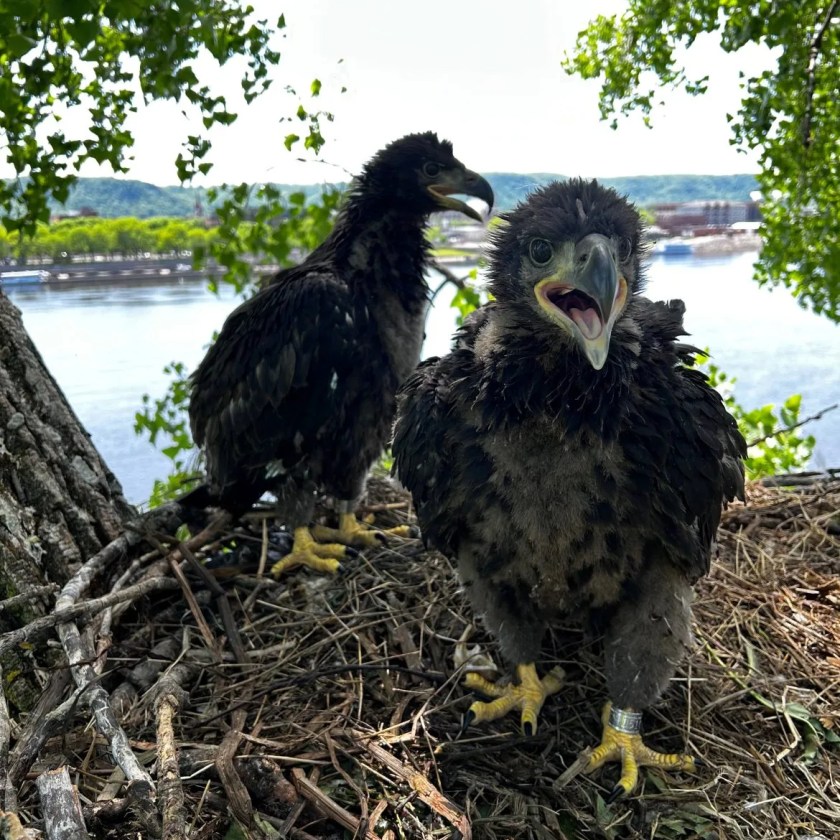
The 2025 State of the Birds report, an evaluation of U.S. birds by conservation organizations, showed a continued decline in bird populations across the nation. The decline is largely due to the habitat loss of wetlands.
Scientists and engineers from Woods Hole Oceanographic Institution, NOAA Great Lakes Environmental Research Laboratory, and other organizations are tracking an autonomous underwater vehicle beneath the ice in Lake Erie as […]
There is growing fear that Lake Superior’s window of avoiding a full takeover by invasive mussels may be closing. Efforts are underway to remove mussels where possible, and better understand how vulnerable the […]
New research and state analysis are reframing Michigan’s groundwater as one interconnected system, large enough to rival a Great Lake. Read the full story by The Sun Times News.
By Kyrmyzy Turebayeva
More than 30 years ago, a group of scientists planted just 4,200 seeds of the rare Pitcher’s thistle in the sandy dunes of the Great Lakes. At the time, no one knew if the new populations would survive. Today, three decades later, the restored populations are thriving
Scientists agree on the source of Great Lakes microplastics pollution: people. What remains far less clear is how microplastics move through the system, where they collect, and why some waters […]
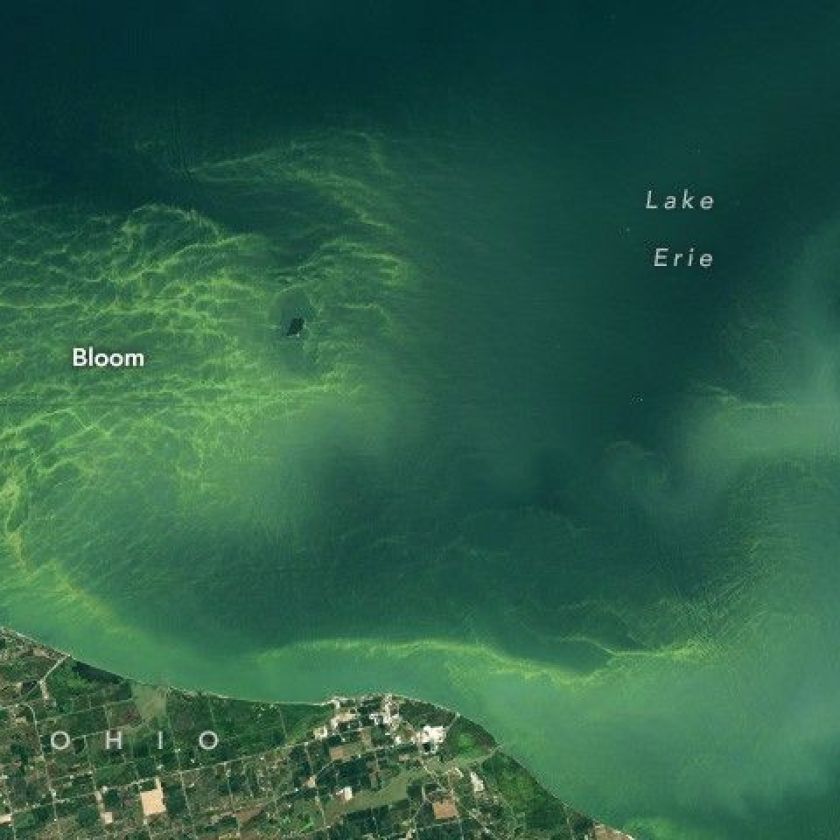
Some ice has started to form along Lake Erie’s western edge, though federal scientists say these patches represent only the earliest stages of freeze-up, not the onset of lake wide […]
By Kyrmyzy Turebayeva
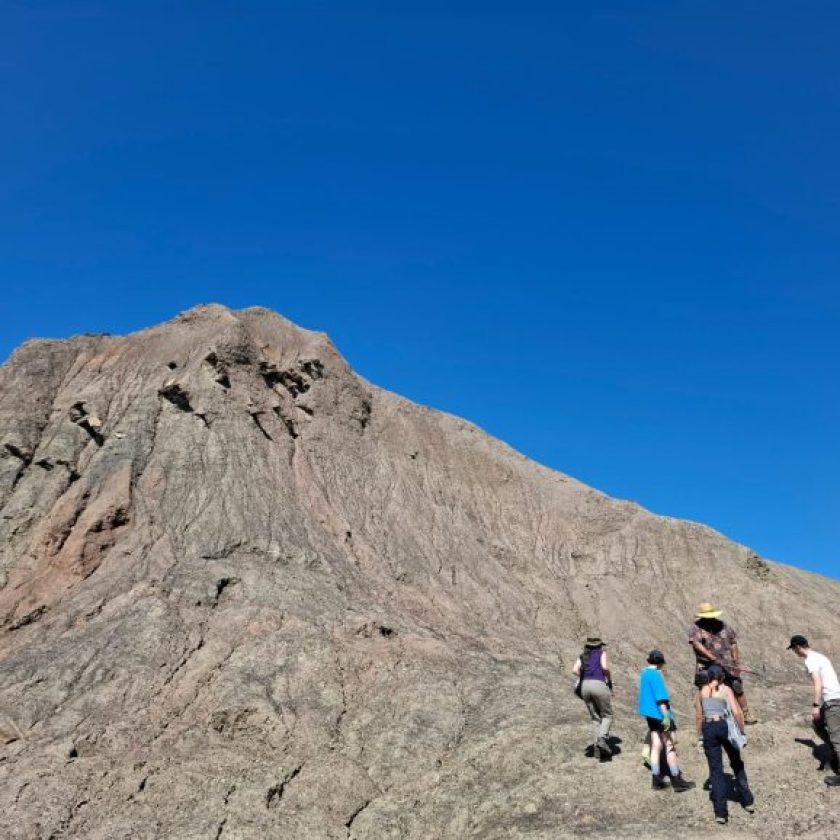
The U.S. Geological Survey has began large-scale low-level airplane flights over Michigan's Upper Peninsula and northern Wisconsin to obtain high-resolution data on subsurface mineral structures and bedrock composition. The data will be used to create two- and three-dimensional maps to better understand the geological structure at depths