For the start of the 2026 fishing season, the Michigan Department of Natural Resources updated possession limits, size requirements and gear definitions for various species to manage state fisheries. The […]
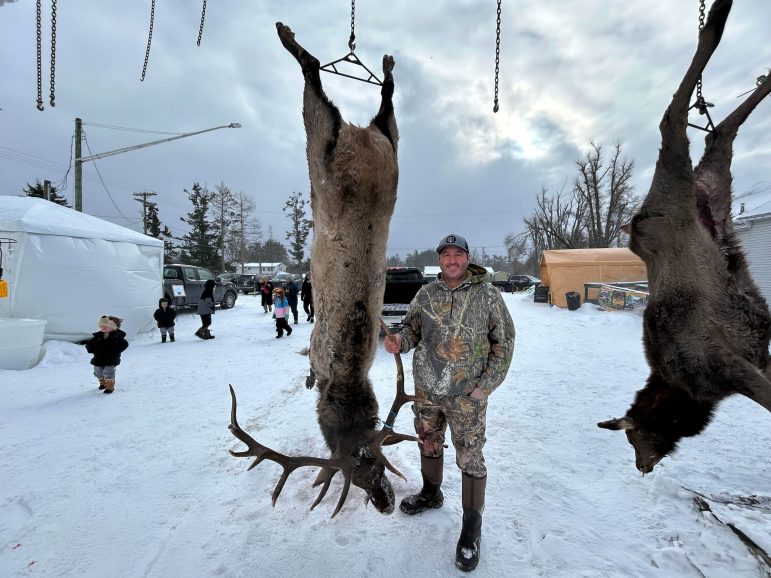
The Michigan DNR received a record 47,493 applications for 260 elk licenses in 2025. The state is considering changes in its regulations for elk hunting season in Pigeon River Country State Forest and an area near Gaylord.
Students at Ingersoll District Collegiate Institute are marking the Artemis II launch with space-themed activities.
By Akia Thrower
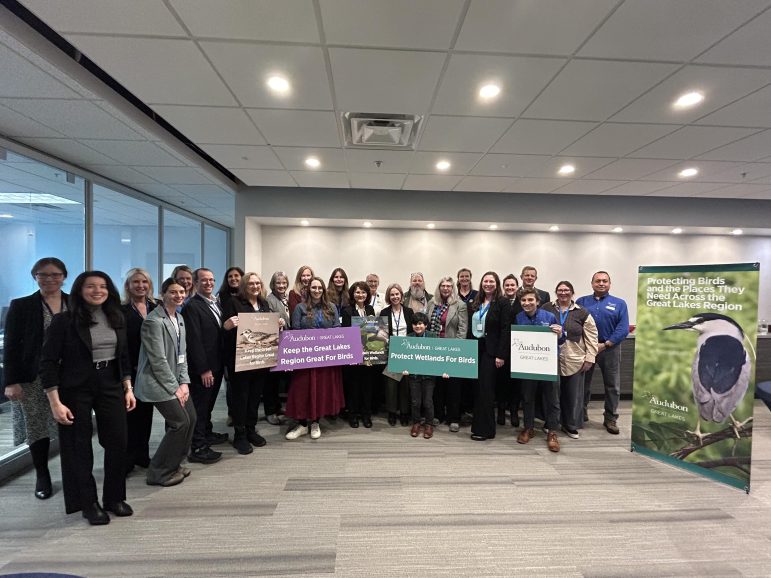
The 2025 State of the Birds report, an evaluation of U.S. birds by conservation organizations, showed a continued decline in bird populations across the nation. The decline is largely due to the habitat loss of wetlands.
The Michigan Department of Natural Resources surveys the Great Lakes fisheries every year between April and November. This information directly informs fisheries management decisions — such as stocking levels or […]
By Anna Ironside
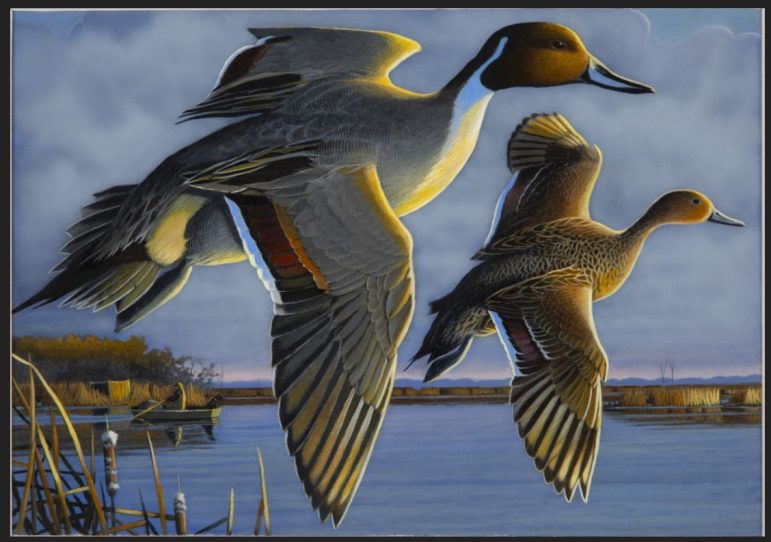
Postage stamps featuring wildlife are helping to fund conservation and bring awareness to communities about habitat protection throughout the Great Lakes region by centering species like the wood duck (Aix sponsa), wild turkey (Meleagris gallopavo) and piping plover (Charadrius melodus).
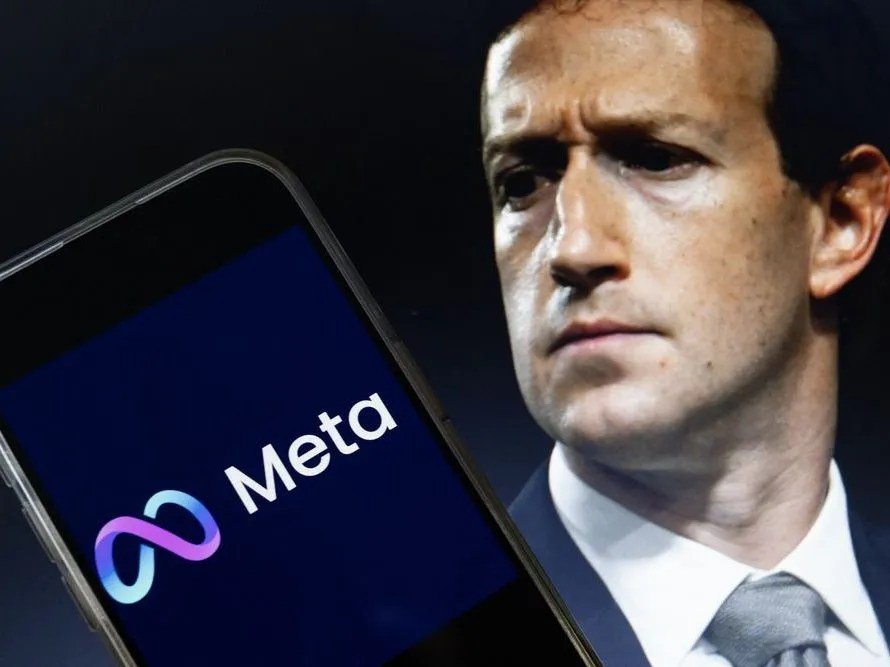
A jury found Meta and YouTube liable for harming a young woman through the addictive design of their social media platforms
The Michigan Department of Natural Resources (DNR) surveys the diverse and important Great Lakes fisheries every year between April and November. Surveying for 2025 has concluded, and DNR fisheries biologists […]
The Michigan Department of Natural Resources has intervened in Consumers Energy’s plan to sell its suite of 13 hydroelectric dams to a Maryland private equity firm. It’s the first time […]
Ann Arbor, Michigan — The Great Lakes Commission (GLC) is seeking proposals for an economic evaluation of the benefits of using nature-based solutions to manage stormwater in Great Lakes
By Bauyrzhan Zhaxylykov
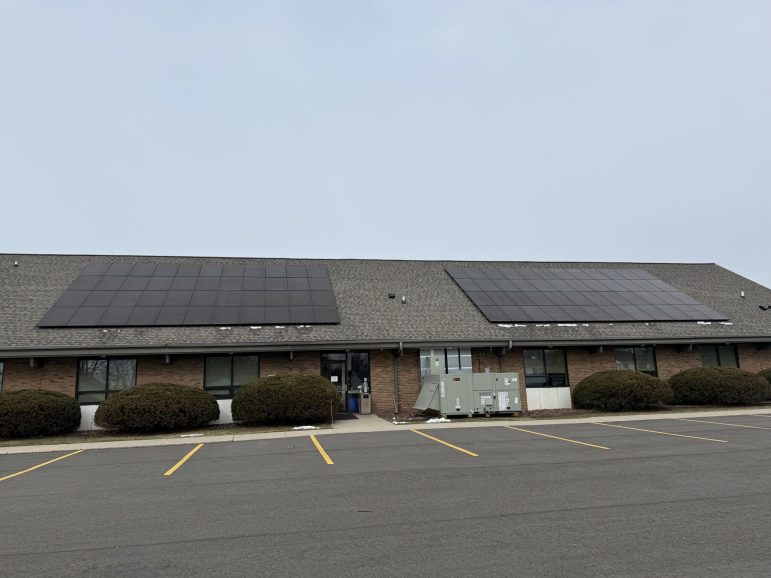
Across Michigan, religious institutions, local governments, schools and nonprofits are turning to a federal program called Elective Pay to help pay for solar panels and other clean-energy projects.
The post Federal program can help nonprofits cover costs of clean-energy projects first appeared on Great Lakes Echo.