
A new 66-foot-long research vessel built to support fish and wildlife studies on the Great Lakes is entering its final phase of testing before delivery to the Michigan Department of […]
The Michigan Department of Natural Resources is urging beachgoers to pay attention to two key safety systems at state parks: buoyed swimming areas and the Great Lakes flag warning system. […]
By Eric Freedman
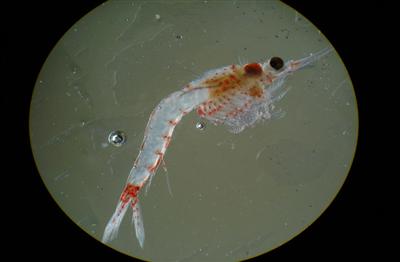
Scientists now have evidence that yet another invasive aquatic species -- the bloody red shrimp -- is established in all five Great Lakes.
Walleye season is in full swing across metro Detroit, with anglers taking to the waters along eastern Michigan to fish. The Michigan Department of Natural Resources has limits for all […]
According to a Michigan Department of Natural Resources (DNR) official, the pattern of declining yellow perch survival rates in Saginaw Bay appears to be continuing its downward trend. Read the […]
A group of anglers were caught with more than double their collective limit of walleye from the Detroit River on Friday, May 8. Michigan Department of Natural Resources says conservation […]
The Michigan Department of Natural Resources is investigating a recent series of deceased eagles that were found in a single area of Michigan’s Upper Peninsula over a 15-day period in […]
Michigan reduced funding for invasive species projects by $1.2 million. Conservation organizations like the regional Cooperative Invasive Species Management Areas (CISMAs) are rethinking their funding priorities for 2026 and beyond.
The Michigan Department of Natural Resources (DNR) has introduced new observation technology to track the movement of muskellunge—known as muskie—with acoustic telemetry in Lake Macatawa in Ottawa County, Michigan. As […]
According to the Michigan Department of Natural Resources (DNR), the Little Manistee River Weir in Stronach, Michigan—the sole source of winter-run steelhead eggs for fish hatcheries in Michigan, Indiana and […]
Lesser celandine, a small but destructive plant quietly spreading across Michigan’s forests and riverbanks, is a “watch list” species in Michigan, meaning its distribution in the state is still limited. […]