Fisheries experts began using a fish elevator at the Menominee Dam in Wisconsin in 2015 to help bolster the Great Lakes sturgeon population. Researchers work together each spring and fall […]
Fisheries managers in Michigan and Ohio say Lake Erie’s walleye population is enjoying a historic run. However, yellow perch numbers have fallen badly enough in parts of the lake that […]
By Kyrmyzy Turebayeva
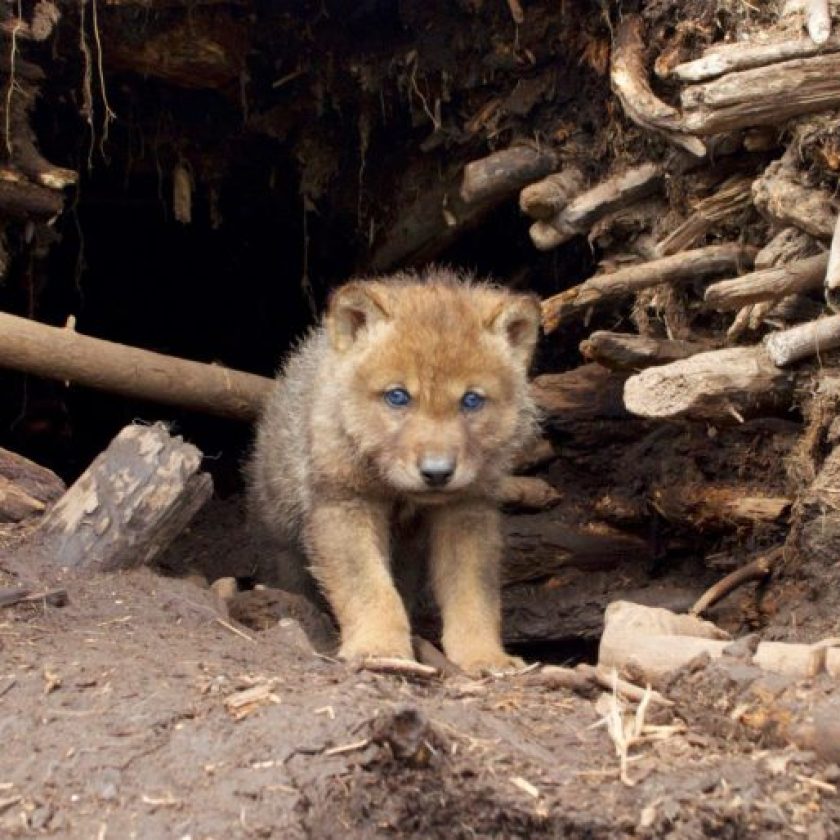
Only about 30 percent of gray wolf pups survive their first year of life even though the wolf population in the region remains stable, according to a new study by researchers at the University of Minnesota.
By Anna Barnes
The Michigan Department of Natural Resources is asking the public to stop harassing the threatened eastern massasauga rattlesnake - the only native venomous snake in the state.
By Anna Barnes Michigan’s Department of Natural Resources Fisheries Division has received one-time funding of $350,000 for whitefish recovery. The ailing species has undergone a rapid population decline in recent years, and for the first time, recovery efforts have landed a specific line in the state budget. But officials said while the money will help rescue
By Kyrmyzy Turebayeva
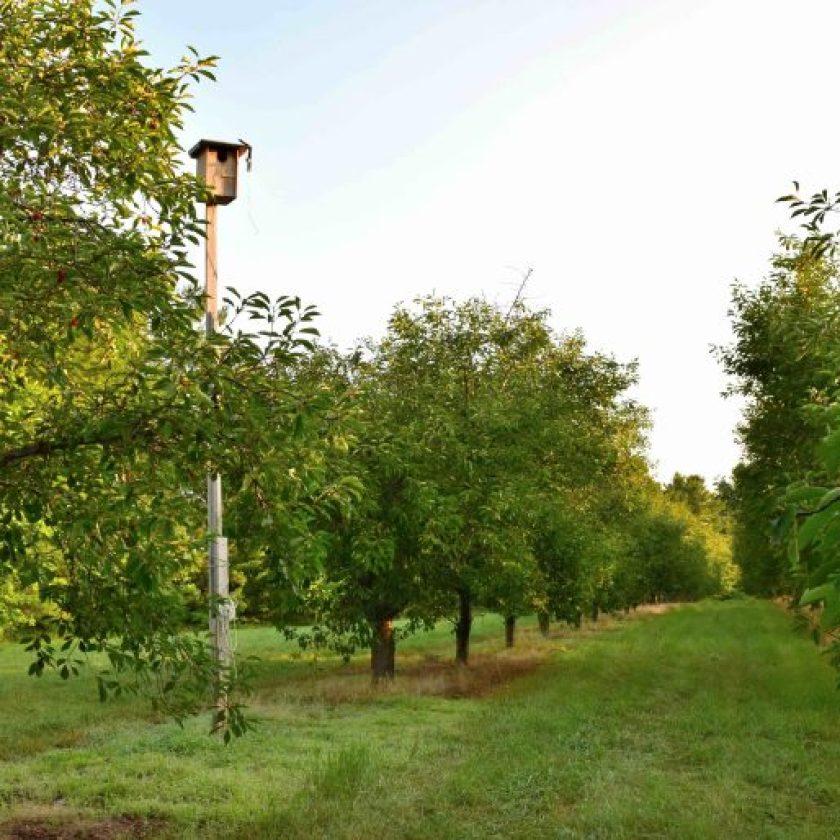
To save endangered piping plovers, scientists are getting creative. One research group explored relocating one of the plovers' predators -- merlins -- away from nesting sites.
It would be so easy for U.S. President Donald Trump to escape from the trap he has built for himself in the Persian Gulf. Just declare a victory and leave. So what if the Iranians also declare a victory? The nuclear weapons that gave Trump (and Israeli leader Binyamin Netanyahu)
By Anna Barnes
Officials from Michigan's Fisheries division say further cutbacks on staffing and fish stocking are likely as the costs of operations rise.
By Kyrmyzy Turebayeva
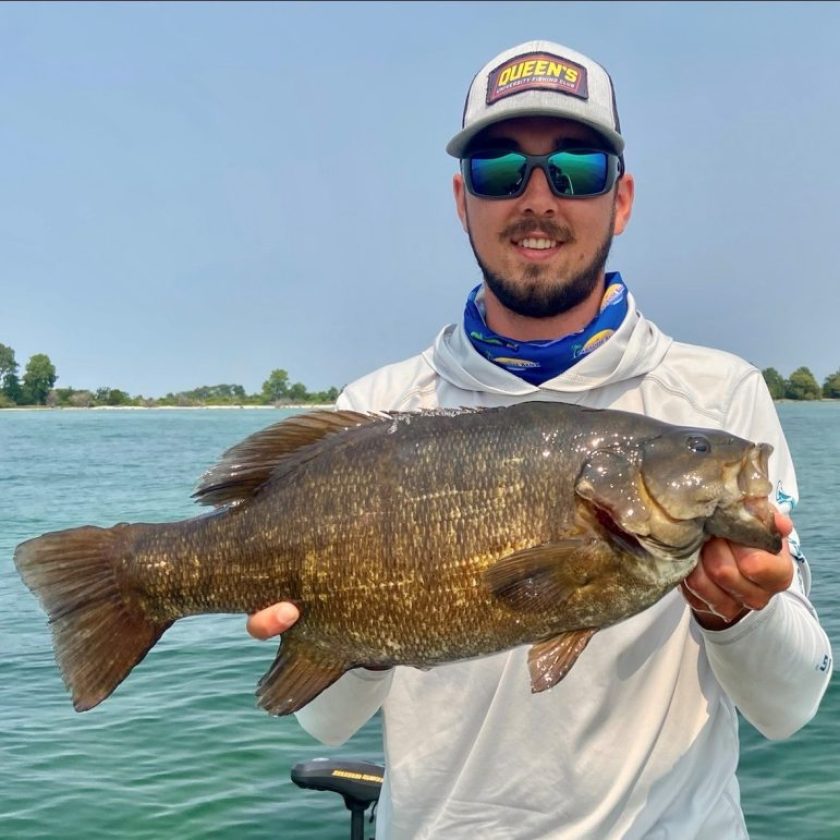
A new study based on data from competitive angling events in the Great Lakes found that more than 20% of black bass weighed-in at these events are over 10 years old.