By Akia Thrower
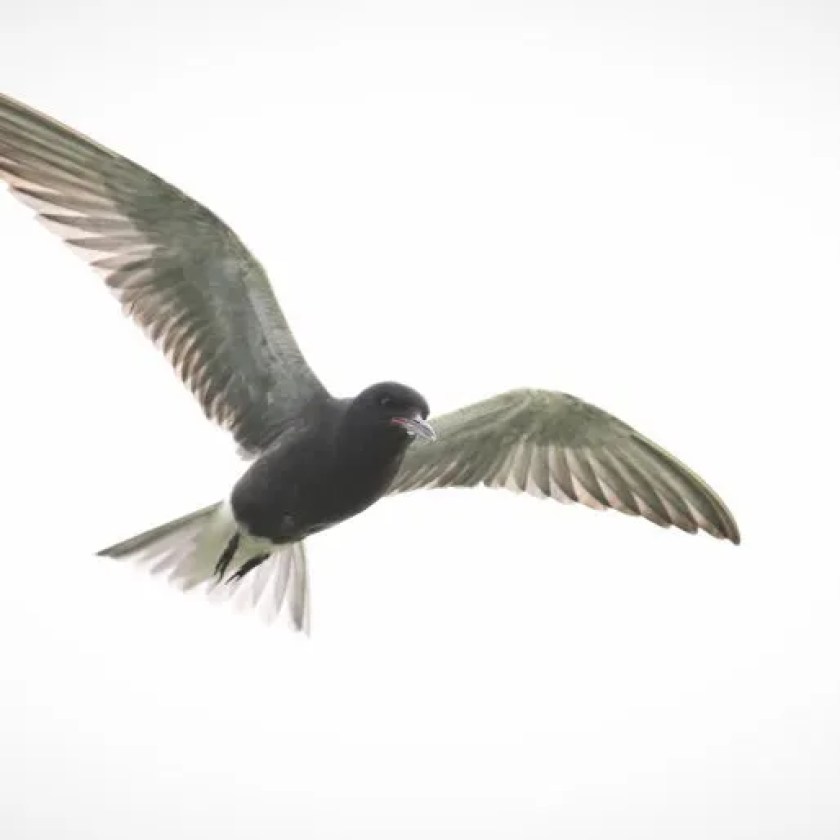
Michigan’s annual budget includes $2 million for wetland conservation efforts by the state Department of Natural Resources, funding critical work for endangered bird species.
By Akia Thrower
A recent study uncovers the changes within historical tree biodiversity hotspots, which has implications for new conservation efforts in forested areas of concern.
By Julia Roeder
For more than a decade, conservation groups have fought to protect the Boundary Waters Canoe Area Wilderness from proposed copper-nickel mining. Advocates are entering a new phase amid the rollback of federal protections.
A lifelong passion for hunting, fishing and conservation has led a Tecumseh, Michigan, resident to invest millions of dollars in programs that support Great Lakes research and student learning at […]
By Kyrmyzy Turebayeva
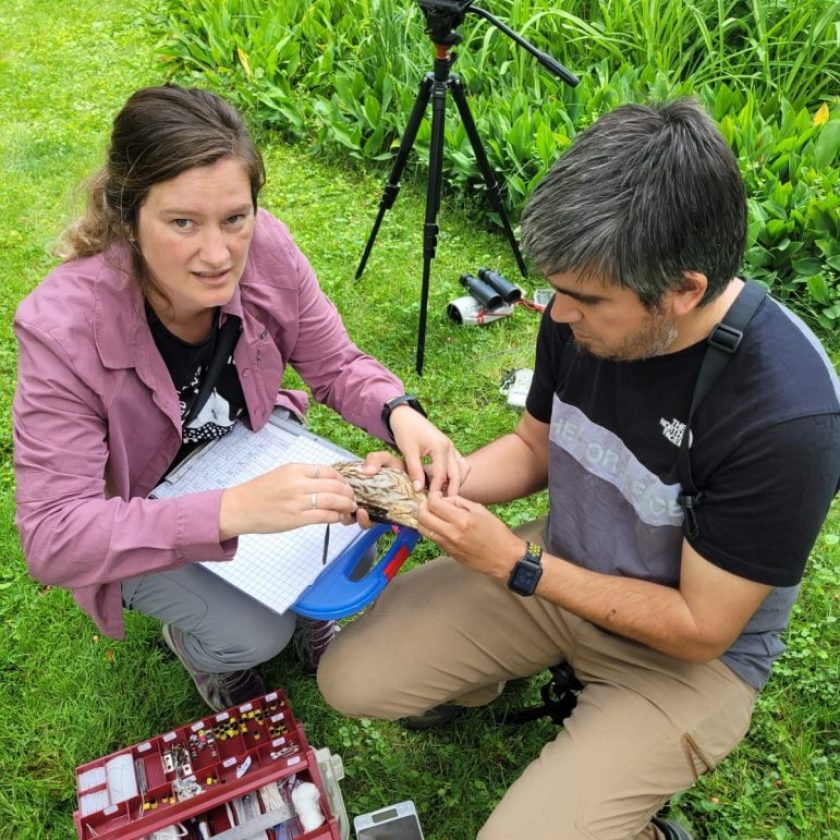
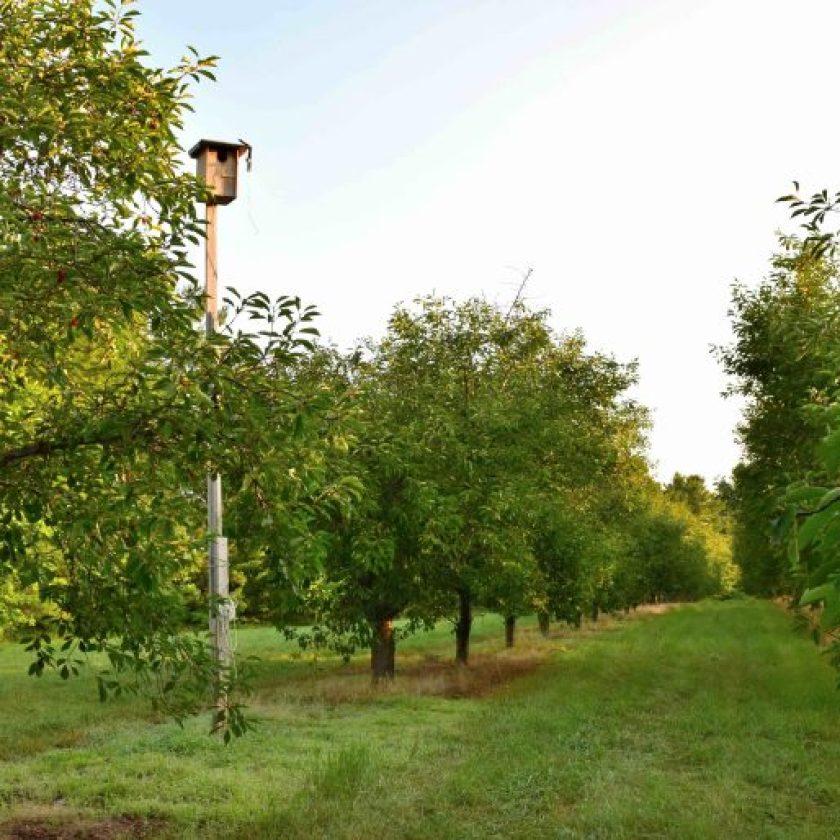
To save endangered piping plovers, scientists are getting creative. One research group explored relocating one of the plovers' predators -- merlins -- away from nesting sites.
Ann Arbor, Mich. – The Great Lakes Commission (GLC) has launched a new online resource that allows users to quickly check state and federal regulations before buying or
The New York State Department of Environmental Conservation will hold two public meetings this week to discuss ongoing walleye research in Sodus and Irondequoit bays. Read the full story by […]
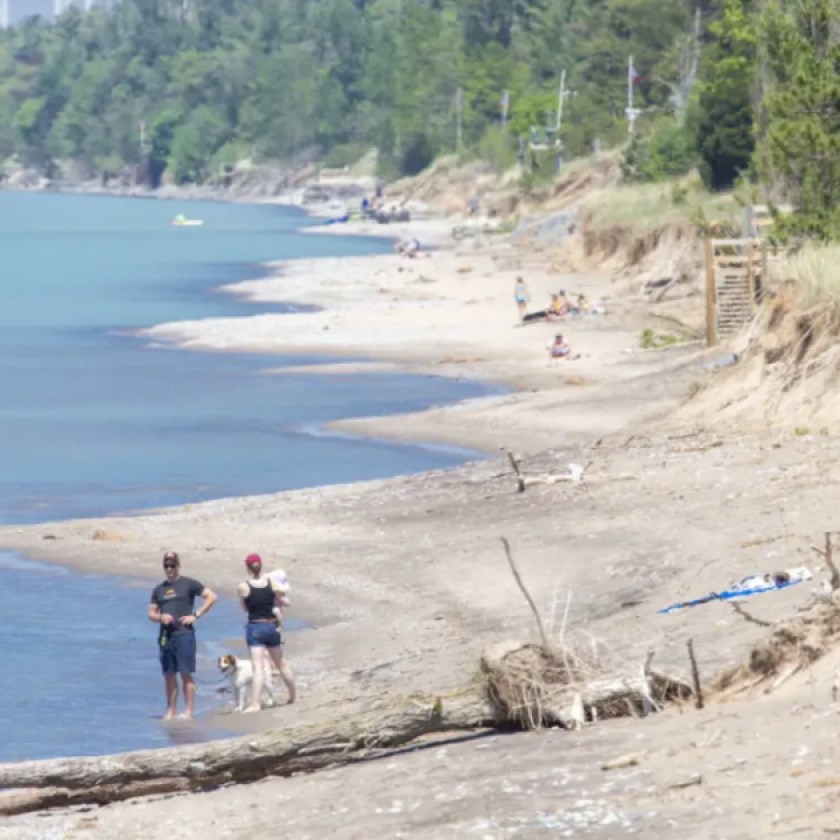
HURON – The challenge is simple: spend 75 minutes exploring a Maitland Valley Conservation Authority property and submit an entry for a chance to win one of three outdoor prize packages. The 75-Minute Hiking Challenge is one of several initiatives planned throughout 2026 to celebrate Maitland Conservation’s 75th anniversary.