By Victoria Witke
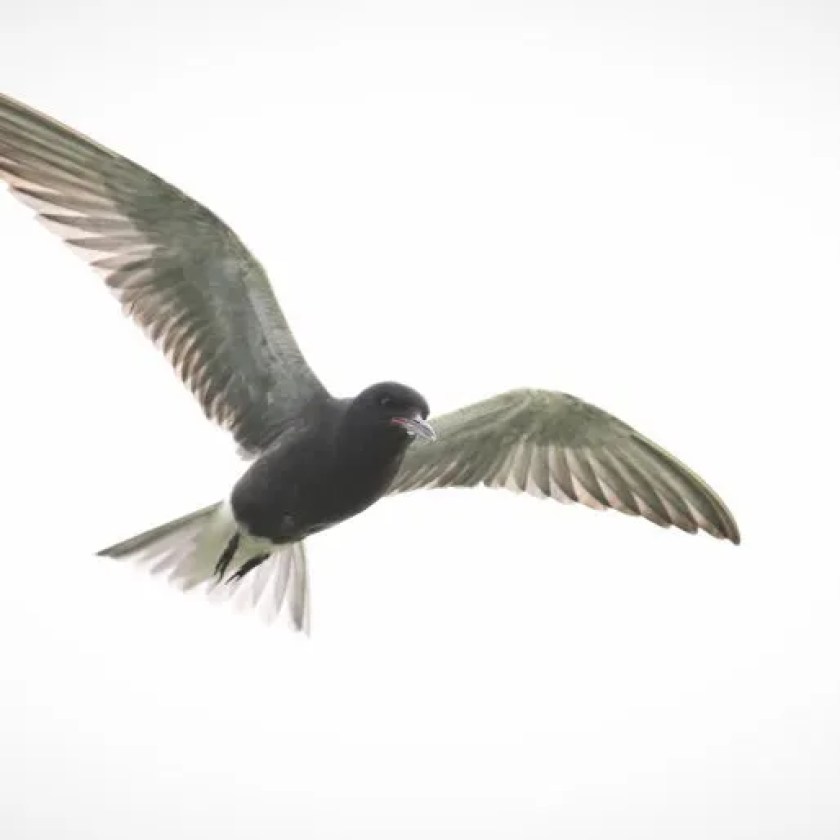
Christina Petalas, a doctoral student McGill University, studies herring gulls to learn about plastic pollution near the St. Lawrence River. Across two studies, she found plastic additives in every bird sampled, which could have human health consequences.
The post What herring gulls tell us about plastic pollutionBy Clara Lincolnhol
New research says workers picking, grinding and packaging cannabis are developing workplace-related asthma, and two deaths have occurred so far.
The post Cannabis workers are developing job-related asthma and some have died, study says first appeared on Great Lakes Echo.By Camila Bello Castro
A recent case study of a former “abandonment tourism” business in Detroit found a disconnect between the lived experience of many city residents and the lives of the tour participants who were generally white, younger and more international than most Detroiters and generally first-time visitors to the
By Akia Thrower
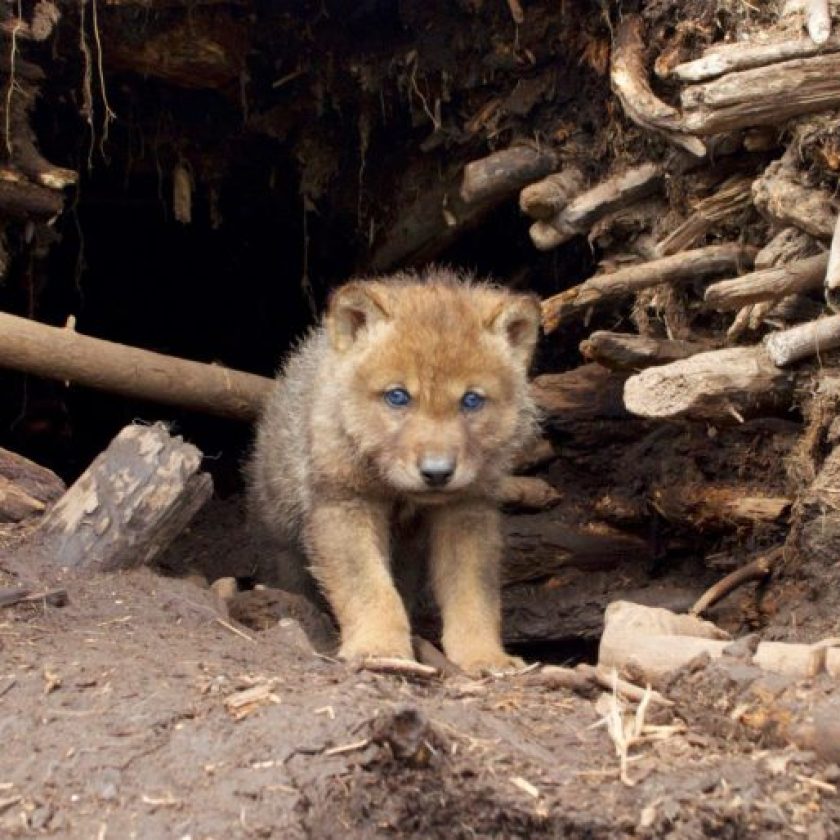
A new study reveals how gray wolves in Isle Royale National Park seasonally alter their habitat preferences to align with beavers’ habitat preferences, a shift that might have implications for the island’s ecosystem.
The post Wolves hunt beavers in Isle Royale National Park, changing the ecosystem firstBy Eric Freedman
Tiny pieces of moss can be crime-busters, says a study examining how law enforcement agencies, forensic teams and botanists have used moss to solve murders, track missing people, calculate how long ago someone died and – in a notorious Mason County case – try to locate the
By Georgia Hill
Scientists studying the body size and growth patterns of non-native earthworms in the UP’s Huron Mountains say they are disrupting forest ecosystems. Contrary to popular belief, most North American earthworms are invaders unintentionally introduced during European colonization. They have a significant impact on ecosystems, especially in the