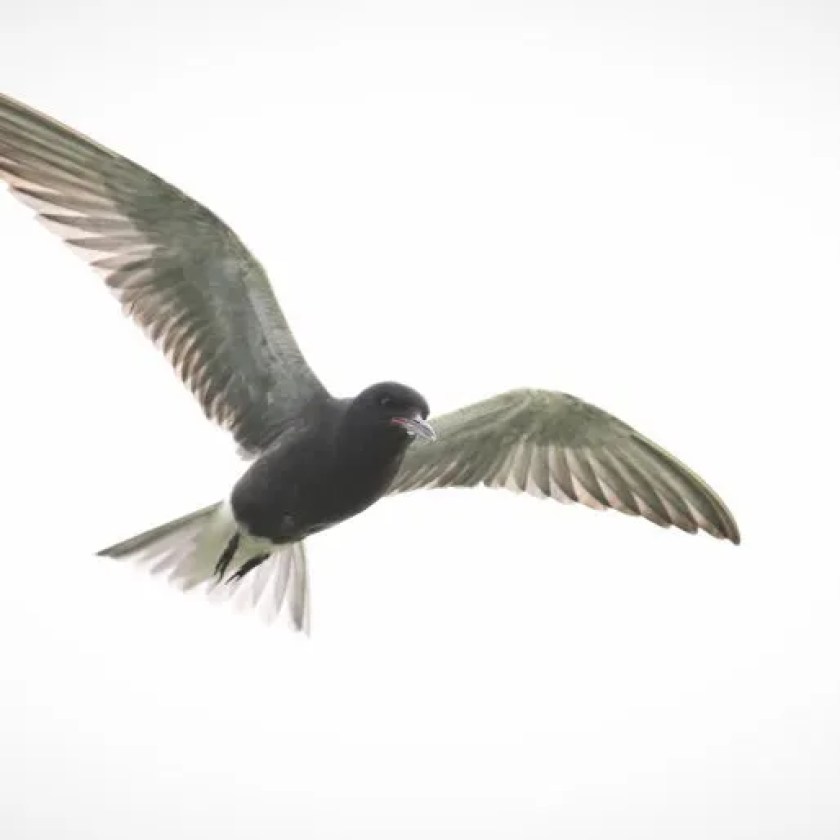
A new study from the University of Notre Dame analyzed 42 years of studies and combined nearly 2,500 samples of algae, fish, birds and other organisms to identify trends in […]
Researchers working to recover the endangered Great Lakes piping plover are using DNA analysis to determine the sex of captive-reared chicks, allowing them to better balance the number of males […]
Members of the Huron Bruce Nature (HBN) club enjoyed the artistic photography of Rob Wray at their June 23 meeting in Point Clark. Rob Wray, a member of both the Owen Sound Field Naturalist Club and the Bruce Birding Club, has come to photography and birding only in the last
By Isabella Figueroa Nogueira
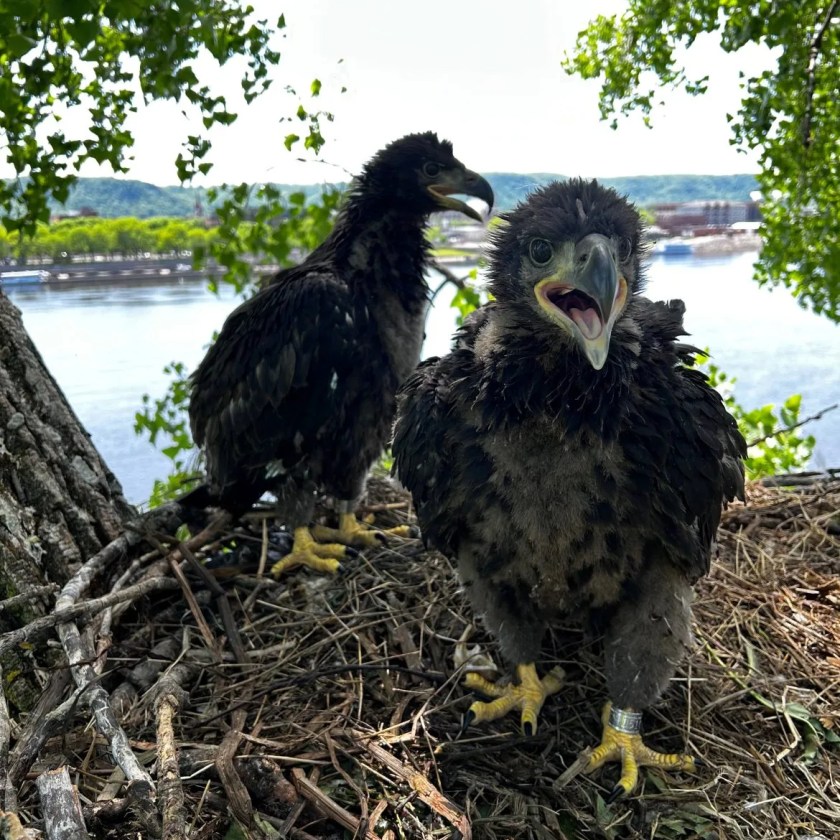
The number of bald eagles in Michigan is declining. Workers are finding empty and damaged nests, malnourished eaglets and adult bald eagles attempting to nest a second time after failed attempts. Funding delays aren't helping.
Canadians may be wondering: just how prevalent are such mosquito-borne viruses in Canada, and how risky is the summer camping trip?
By Carly Carter
Bat populations are plummeting in Minnesota as the deadly white-nose syndrome spreads across caves.
By Samantha Plunkett
For residents of Dearborn, Michigan, creating greenspaces in the community has been an important mission for schools and researchers. In a recent study, academics from the University of Michigan-Dearborn partnered with Salina schools to assess their outdoor play spaces.
Local award-winning filmmakers will take viewers into one of the least accessible and visually striking areas of the Great Lakes on Earth Day. On April 22, Yvonne Drebert and Zach Melnick of Inspired Planet Productions will use a cutting-edge underwater robot to take viewers into the fish-filled waters surrounding the
By Akia Thrower
The 2025 State of the Birds report, an evaluation of U.S. birds by conservation organizations, showed a continued decline in bird populations across the nation. The decline is largely due to the habitat loss of wetlands.
By Anna Ironside
Postage stamps featuring wildlife are helping to fund conservation and bring awareness to communities about habitat protection throughout the Great Lakes region by centering species like the wood duck (Aix sponsa), wild turkey (Meleagris gallopavo) and piping plover (Charadrius melodus).
By Anna Ironside
Caroline Miller is a botanical technologist at Michigan State University’s W.J. Beal Botanical Garden, as well as a master’s student. Her work has made her a driving force behind restoration projects on campus and beyond. From invasive species removal days to a growing movement to replace traditional turf lawns with