There are enough Venezuelan nationalists who would be outraged by an American takeover to make Trump’s remaining years in power a misery

By Isabella Figueroa Nogueria
Frank Boles, a retired Central Michigan University historian, has spent decades documenting Michigan’s past. His latest book, “Visiting Mackinac: 150 Years of Tourism at Michigan’s Fabled Straits,” explores how Mackinac Island and the surrounding Straits region became a hub for travelers from across the country.
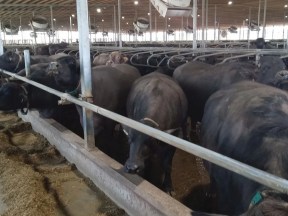
The Philip Koskamp's advice is, “before you decide to milk water buffalo, you have to establish where your market is”

Sea lampreys—invasive, leechlike creatures that once nearly destroyed the Great Lakes’ fishing economy—are kept in check by a small U.S.-Canadian program. Will it survive Trump’s slash-and-burn campaign? Read the full […]
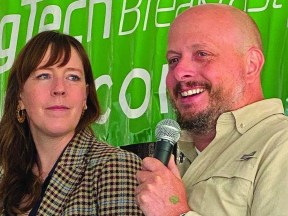
Matt Stevens, Finite Robotics CEO, said startups sometimes develop great products that are impossible for farmers to integrate into their operations
By Joe Lorenz
Electrification and tariffs mean rural Midwest communities can cash in on their mineral resources. But how can these ventures balance local benefit to the ecological cost?
The post New interest in domestic mining comes with call for sustainability in the market first appeared on Great Lakes Echo. The Nottawasaga Valley Conservation Authority is calling for provincial action on recycling and waste division.
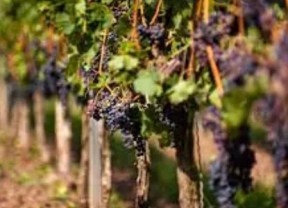
The Ripley and District Horticultural Society (RDHS) Oct. 15 meeting featured a first-person account of viticulture – the practice of growing grapes for the purpose of making wine by member Susan Miszturak. She and her husband spent 23 years in the Niagara region growing grapes and making wine before retiring
Members of the South Bruce branch of the Retired Women Teachers of Ontario/Organization des eneignantes retraitées de l’Ontario (RWTO/OERO) met at the Ripley-Huron legion hall on Oct. 15 for their fall meeting. Ever mindful of the needs of the community, particularly women, the ladies brought donations for personal hygiene products
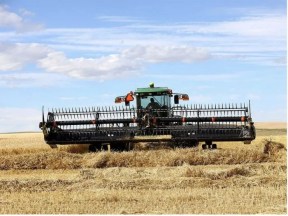
Fifty-nine per cent of farmers meet the classifications for anxiety and 35 per cent meet the classifications for depression.