By Demonte Thomas
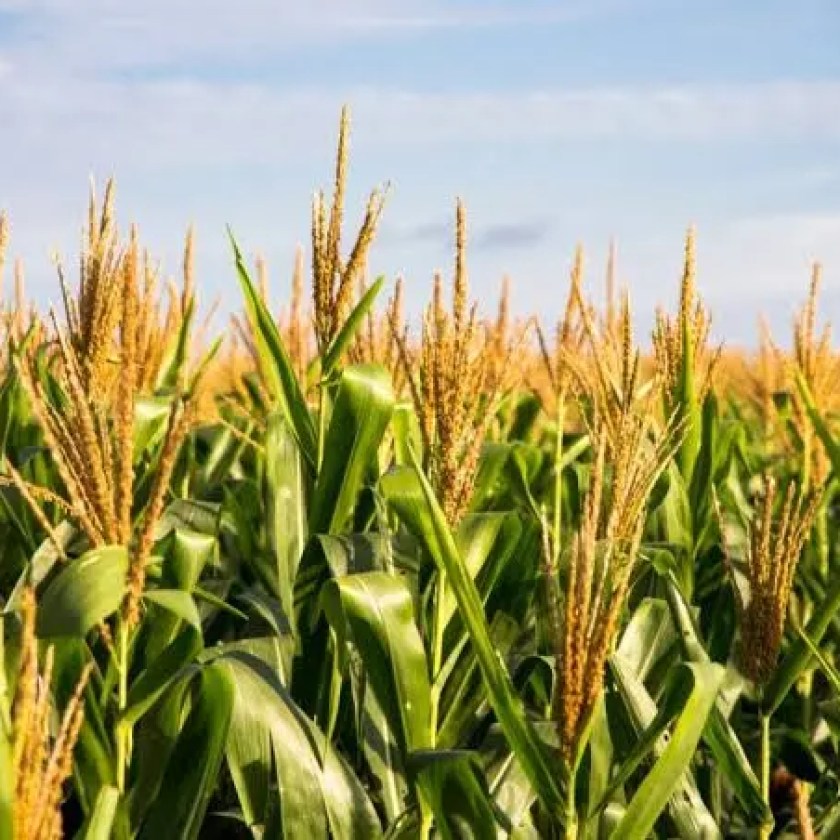
During the summer, corn undergoes a process called evapotranspiration, known by many as "corn sweat" to cool itself down. It raises questions about whether the state's vast corn fields are making already hot and humid conditions even more uncomfortable.
By Domonic Marroni
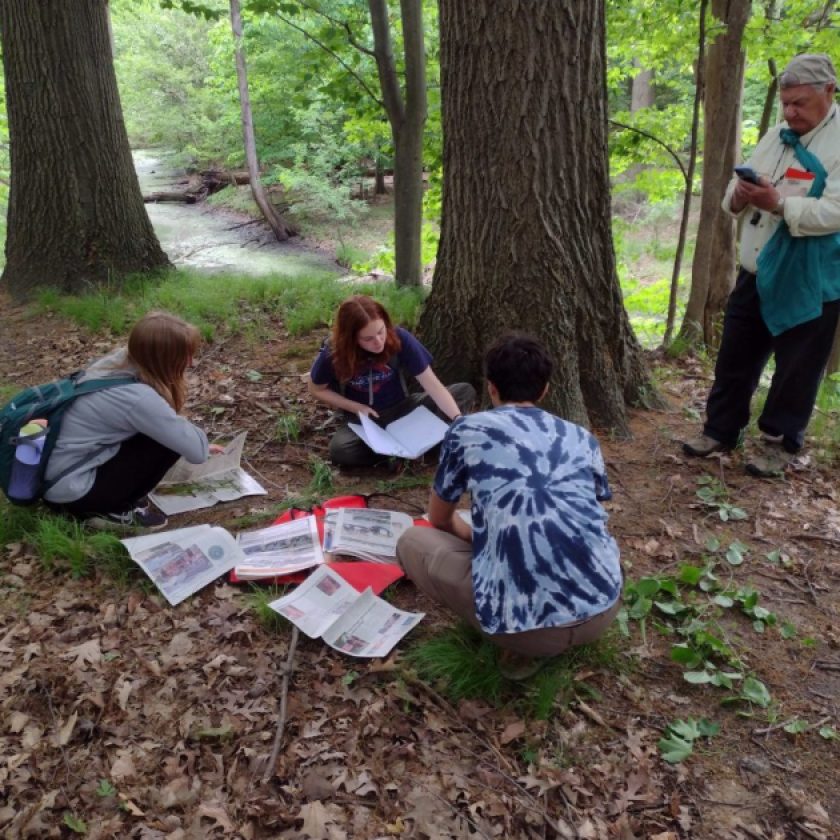
In Ann Arbor, Michigan, Skyline High School's natural areas are home to several species of invasive plants causing widespread destruction of surrounding trees. These species pose potential fire hazards and are dangerous to public health. Action is needed, say several environmental experts, to avert future disasters and
By Anna Barnes
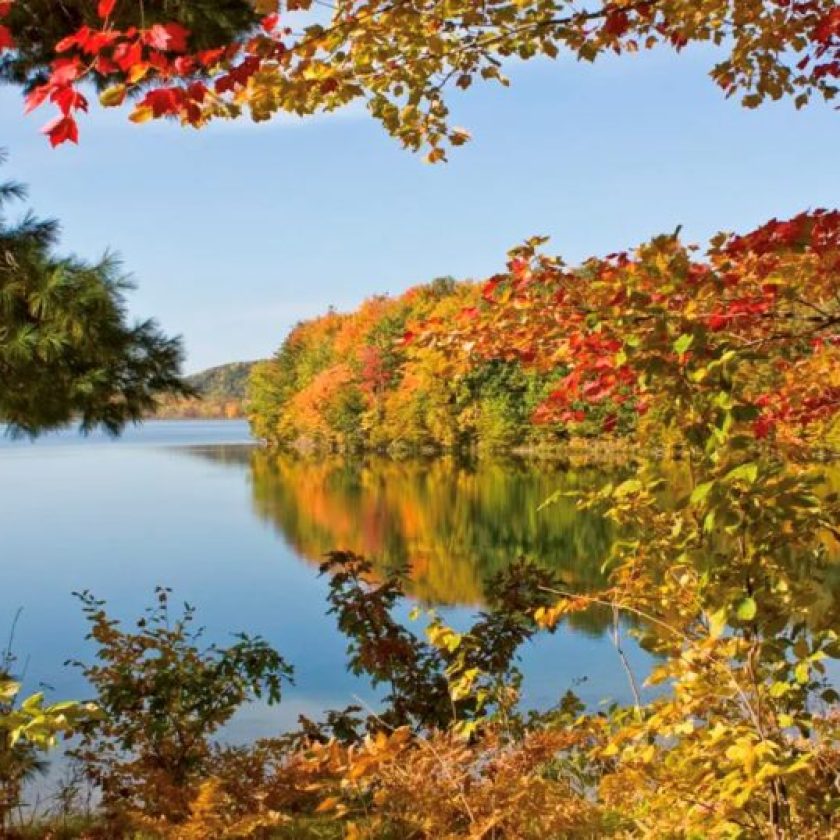
In Michigan, sugar maple populations are rising and eastern redbud trees are making their way north, while coniferous trees, like the black spruce, continue to decline. One suspected cause: climate warming.
By Victoria Witke
Wildfire risk is predicted to stay elevated in the Upper Midwest from drought and high winds. That’s risky for the region’s pristine inland lakes, but land managers are working to reduce wildfire risk in the Northwoods with controlled burns.
By Victoria Witke
Wildfire risk is high in the upper Great Lakes, and research shows that large, scorching wildfires spell trouble for lakes in the region’s remote watersheds.
By Demonte Thomas
Michigan has already exceeded its average annual tornado count. The active season comes as communities across the state continue recovering from severe weather that has left behind widespread damage.
By Isabella Figueroa Nogueira
The number of bald eagles in Michigan is declining. Workers are finding empty and damaged nests, malnourished eaglets and adult bald eagles attempting to nest a second time after failed attempts. Funding delays aren't helping.
By Carly Carter
Bat populations are plummeting in Minnesota as the deadly white-nose syndrome spreads across caves.
By Owen McCarthy
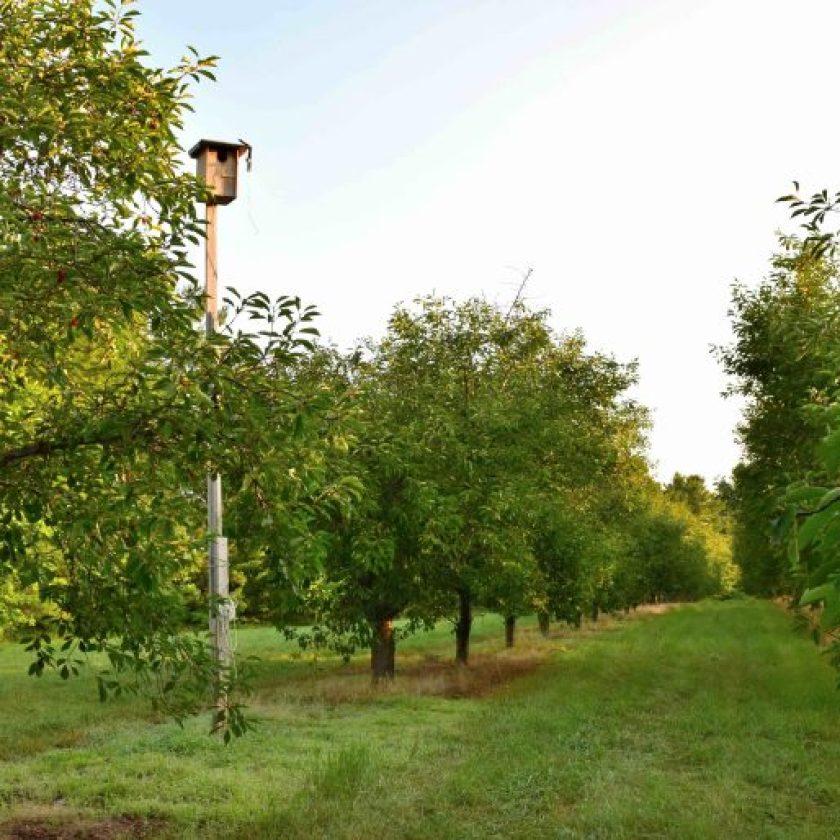
A new study finds more natural methods of bolstering Christmas tree survival are more effective than chemical treatments.