
By Riley Wilson
Ice covering the Great Lakes stores organic carbon, which is released in a burst during spring melt. As climate change reduces ice cover, researchers say this seasonal surge of energy may be shrinking, with uncertain consequences for these freshwater systems.
A new University of Michigan study shows harmful algal blooms produce a greater range of toxic compounds than previously known. Read the full story by the Detroit Free Press.
Michigan Trout Unlimited is looking for residents to help collect stream samples to be tested for didymosphenia geminate, an algae nicknamed “didymo” or “rock snot”, that has been found in […]
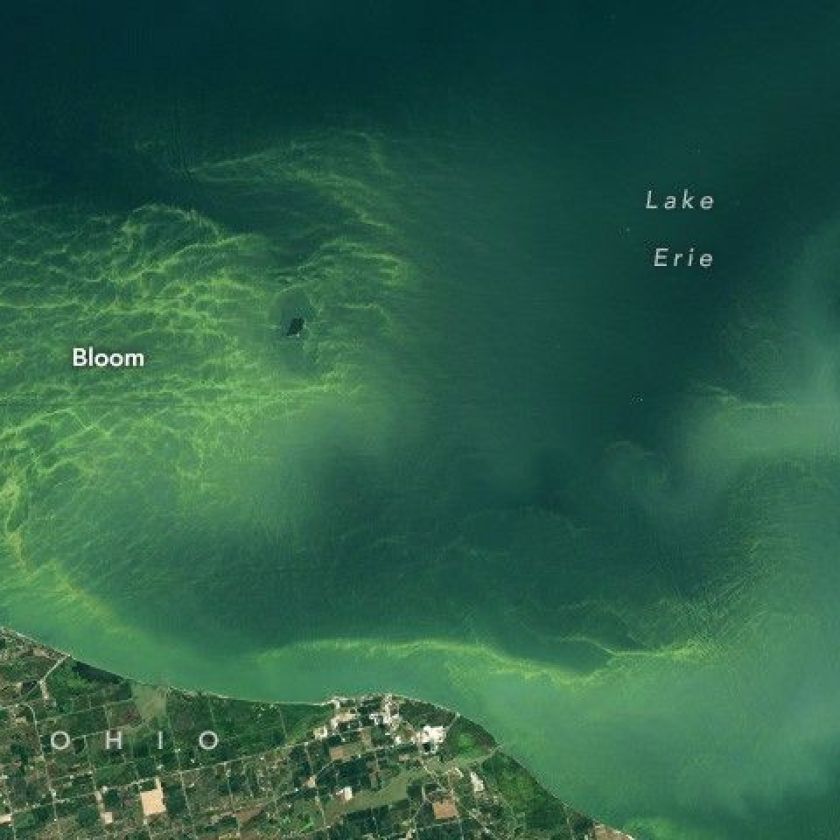
Researchers are trying to determine how blue-green algae toxins affect people’s health when breathed through the air. Residents age 10 and older, who live, work, or recreate near Lake Erie […]
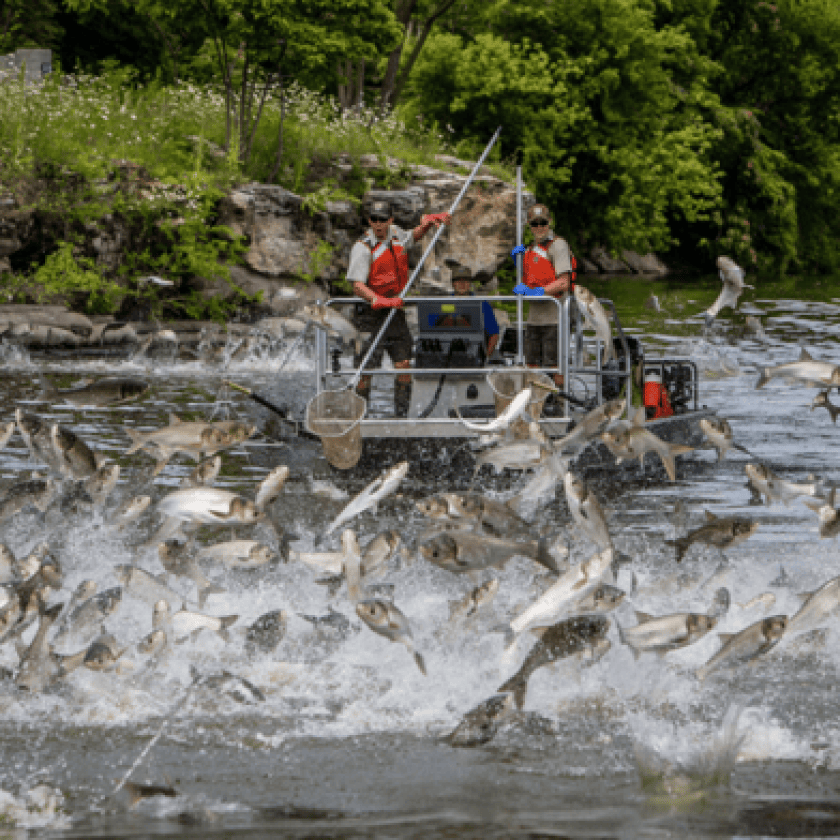
Invasive carp, weighing up to 100 pounds and eating 10% of their weight in algae every day, could pose an existential threat to the Great Lakes. A multi‑layered barrier project […]
A new study examines the uniqueness of work that research centers conduct in the Great Lakes region, highlighting their importance amid dramatic changes in federal funding.
The post Research centers in the Great Lakes region change the scope of global freshwater ecology first appeared on Great Lakes Echo.By Eric Freedman
Tiny pieces of moss can be crime-busters, says a study examining how law enforcement agencies, forensic teams and botanists have used moss to solve murders, track missing people, calculate how long ago someone died and – in a notorious Mason County case – try to locate the
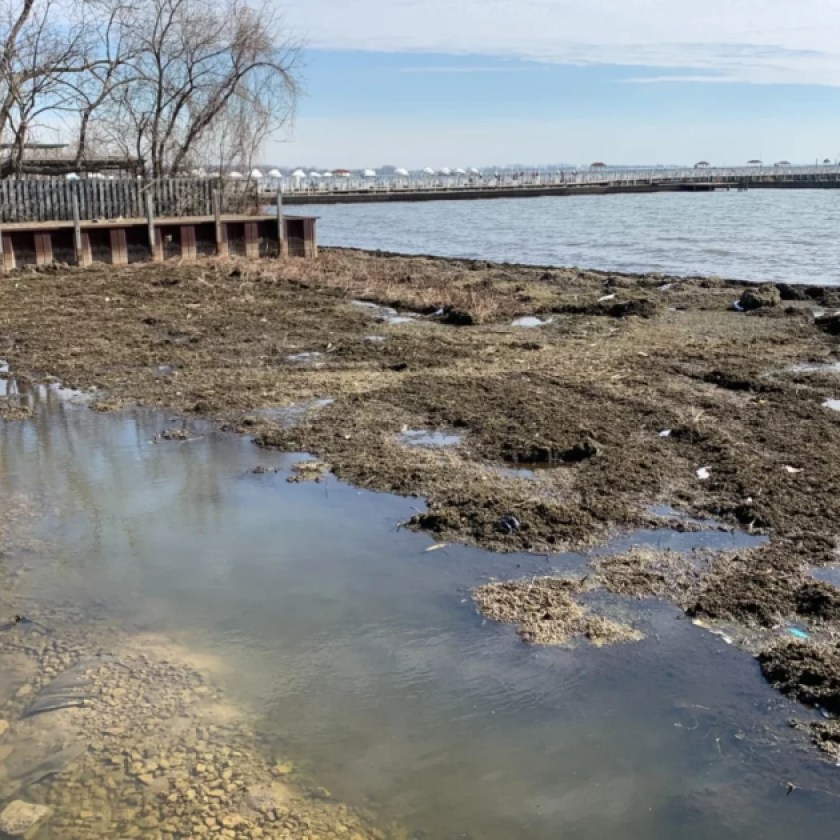
A type of algae called M. wollei appeared in Lake St. Clair in 2010. It’s vexing residents. Local, state, and federal agencies have a plan to control it. Read the […]
A malfunctioning research buoy from the Lake Superior National Estuarine Research Reserve in Superior, Wisconsin, was rescued by the RV Blue Heron during a July trip shared by several area […]
Long a threat to southern Ontario lakes, climate change is allowing cyanobacteria, also known as blue-green algae, to thrive in even the coldest of the Great Lakes. Read the full […]