Who wants the job – and when the winner will be chosen.
By Kyrmyzy Turebayeva
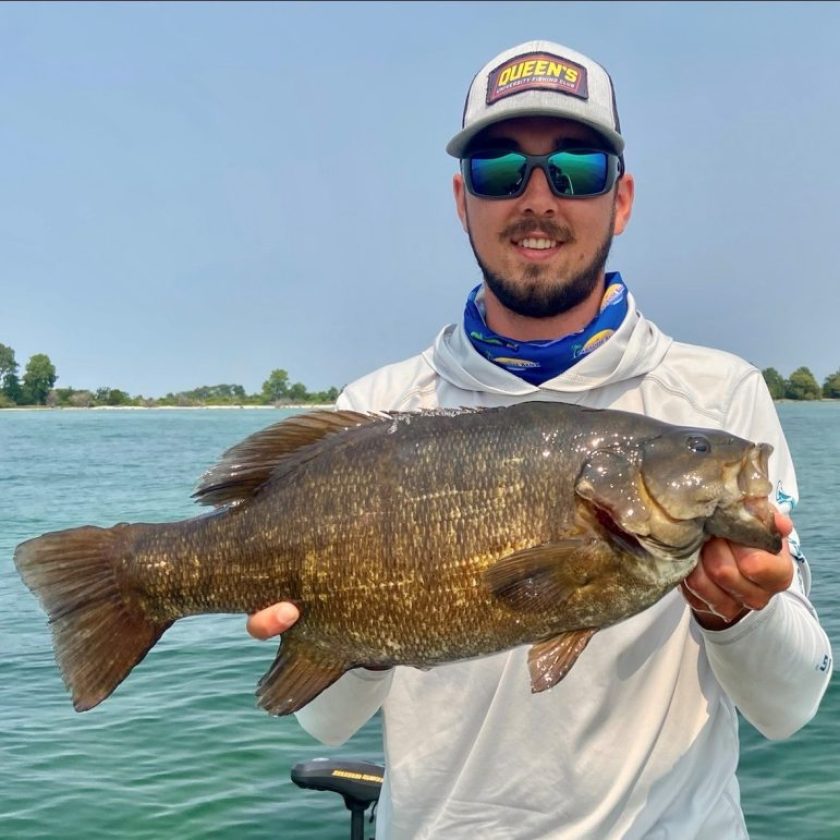
A new study based on data from competitive angling events in the Great Lakes found that more than 20% of black bass weighed-in at these events are over 10 years old.
By Domonic Marroni
In Ann Arbor, Michigan, Skyline High School's natural areas are home to several species of invasive plants causing widespread destruction of surrounding trees. These species pose potential fire hazards and are dangerous to public health. Action is needed, say several environmental experts, to avert future disasters and
By Victoria Witke
Wildfire risk is high in the upper Great Lakes, and research shows that large, scorching wildfires spell trouble for lakes in the region’s remote watersheds.
By Elizabeth McGowan
Researchers are exploring a new approach to controlling invasive sea lamprey populations: Chemicals that disrupt pheromones rather than lampricide.
A proposed Trump administration budget could significantly reduce federal science funding and threaten critical tools used by communities to track Great Lakes water quality, protect public health, and support local […]
By Samantha Ku
Skin and liver tumors in fish may provide clues to ecosystem health in the Great Lakes region, according to a recent study in the journal Ecotoxicology.
By Christian Vazquez
Michigan is awarding $800,000 to 17 school districts in the Upper and Lower Peninsulas to advance STEM education.
Students from across the Bruce-Grey Catholic District School Board (BGCDSB) recently gathered for the second annual BGCDSB Robotics Challenge held at St. Anthony’s Catholic School in Kincardine. “Watching our students bridge the gap between classroom theory and hands-on application is truly inspiring,” said Nicole Batte, educational technology consultant for BGCDSB
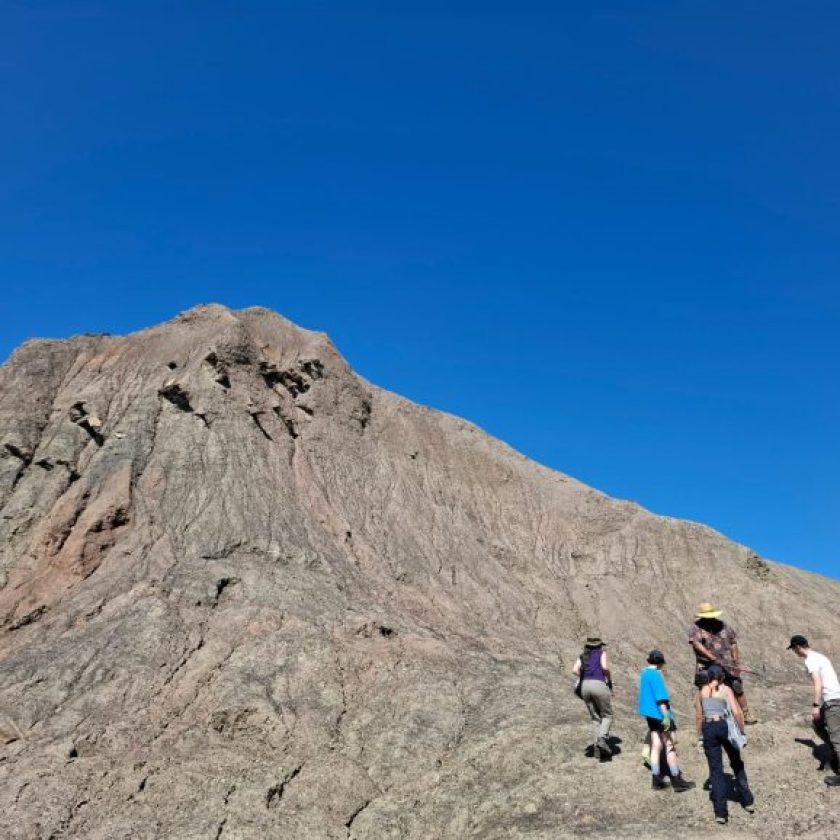
The Artemis II crew took part in a crash course in lunar geology and visited sites in the United States, Iceland and Canada