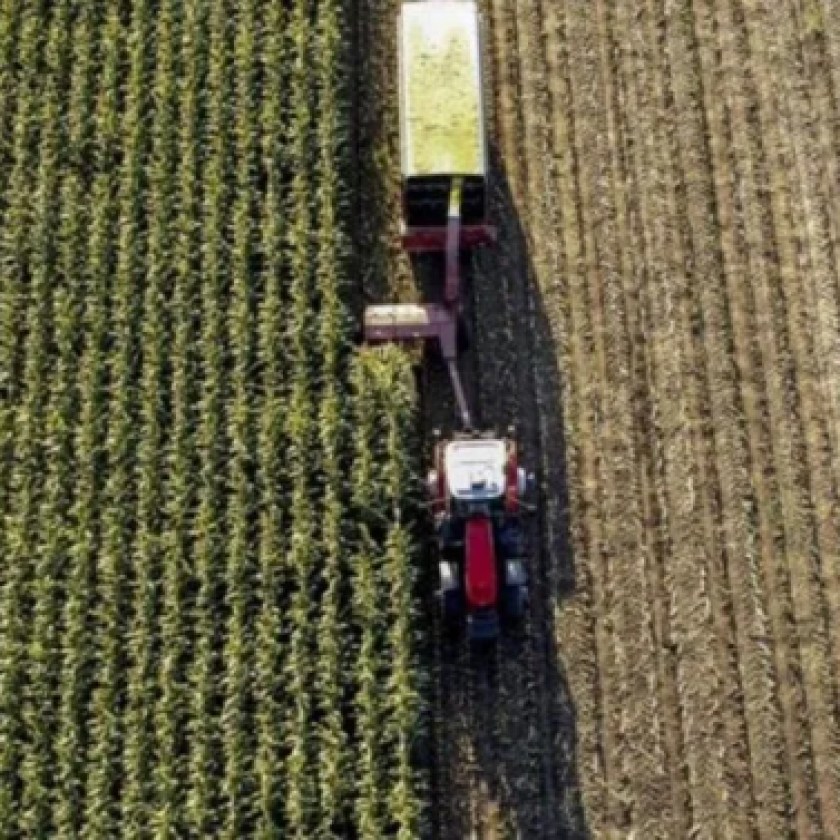
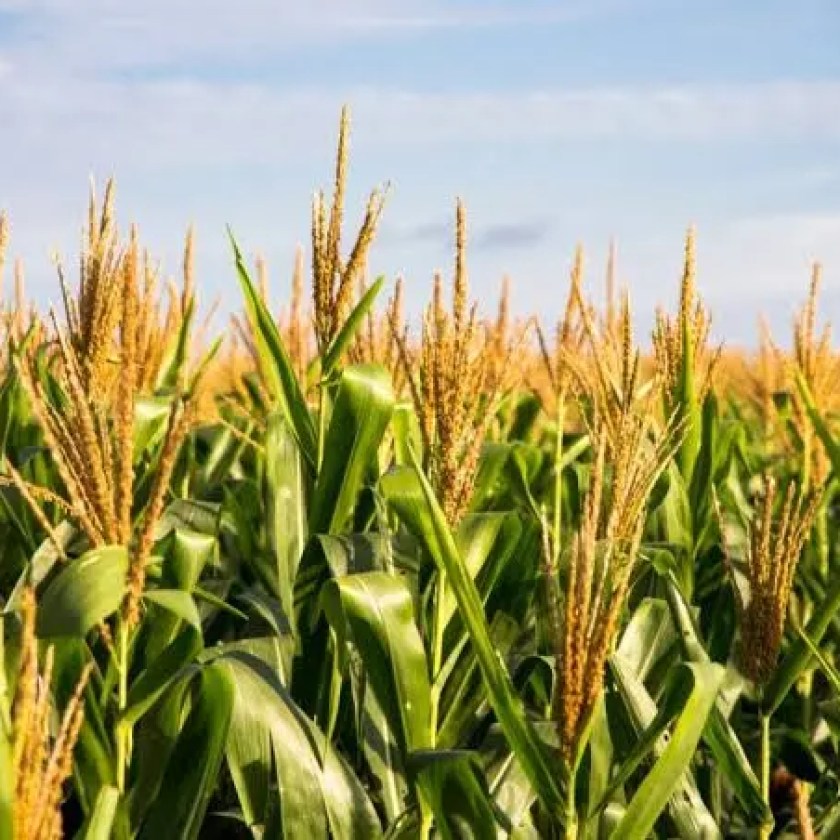
There is plenty of data on the ideal time to harvest forages like alfalfa and corn silage for dairy cattle.
By Lillian Williams
he shrinking number of farms in Michigan – down by about 1,300 between 2023 and 2024 – and the trend of existing farms to expand to survive is changing the culture of rural communities.
The post Shifting farm economy means changes for rural communities first appeared on Everyone is looking forward to spring, none more so than members of the Ripley and District Horticultural Society (RDHS) and not just because they want to work in their gardens. Adverse weather this winter has played havoc with the schedule resulting in a cancellation of the January meeting and last
By Bauyrzhan Zhaxylykov
Bankruptcies of Michigan farmers are troubling despite a dip in their Chapter 12 filings last year. Major reasons are higher expenses for inputs such as fertilizer coupled with flat commodity prices.
The post Michigan farmers face bankruptcies, other financial challenges first appeared on Great Lakes Echo. McQuail and his wife Fran are organic farmers who helped start what is now known as the Ecological Farmer's Association of Ontario.
By Isabella Figueroa Nogueira
“Indigenous Activism in the Midwest: Refusal, Resurgence and Resisting Settler Colonialism” explores how Dakota and Anishinaabe communities in Minnesota continue their relationships to the land and challenge dominant settler narratives about ownership, belonging and identity.
The post ‘Refusal is insisting on your own terms’: Indigenous activism On a beautiful sunny August Saturday, the For Our Youth (FOY) horticulture club met at the Bruce Botanical Food Gardens (BBFG) to tour the gardens, sample different food grown there, and harvest the vegetables we had planted in the spring. Introductions were made with our host Olivia, the BBFG garden
The clouds on the horizon were dark and the wind off the lake brisk, but the rain held off just long enough on Sept. 6 for 30 members of Huron Bruce Nature (HBN) to enjoy their corn roast and potluck supper; the club’s traditional welcome to a new season. The
In addition to farmers using them in Ontario, Quebec and Alberta, they are zapping weeds in the U.S., Europe, Australia and New Zealand