
Image

Canada’s long history with public service media offers a useful model for thinking about how AI could serve the public
By Kyrmyzy Turebayeva
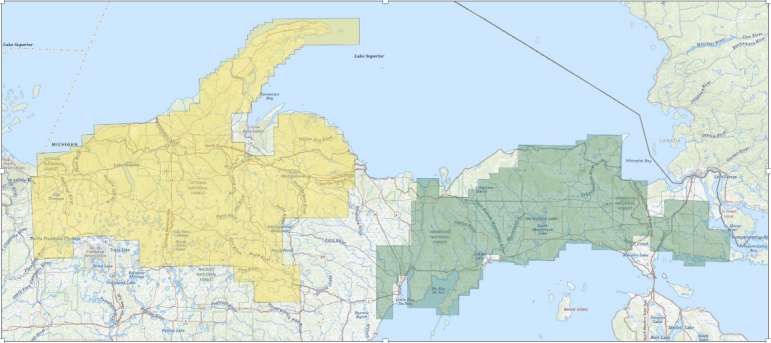
The U.S. Geological Survey has began large-scale low-level airplane flights over Michigan's Upper Peninsula and northern Wisconsin to obtain high-resolution data on subsurface mineral structures and bedrock composition. The data will be used to create two- and three-dimensional maps to better understand the geological structure at depths

By Isabella Figueroa Nogueira
“Indigenous Activism in the Midwest: Refusal, Resurgence and Resisting Settler Colonialism” explores how Dakota and Anishinaabe communities in Minnesota continue their relationships to the land and challenge dominant settler narratives about ownership, belonging and identity.
The post ‘Refusal is insisting on your own terms’: Indigenous activism

By Akia Thrower
A new study reveals how gray wolves in Isle Royale National Park seasonally alter their habitat preferences to align with beavers’ habitat preferences, a shift that might have implications for the island’s ecosystem.
The post Wolves hunt beavers in Isle Royale National Park, changing the ecosystem first
By Victoria Witke
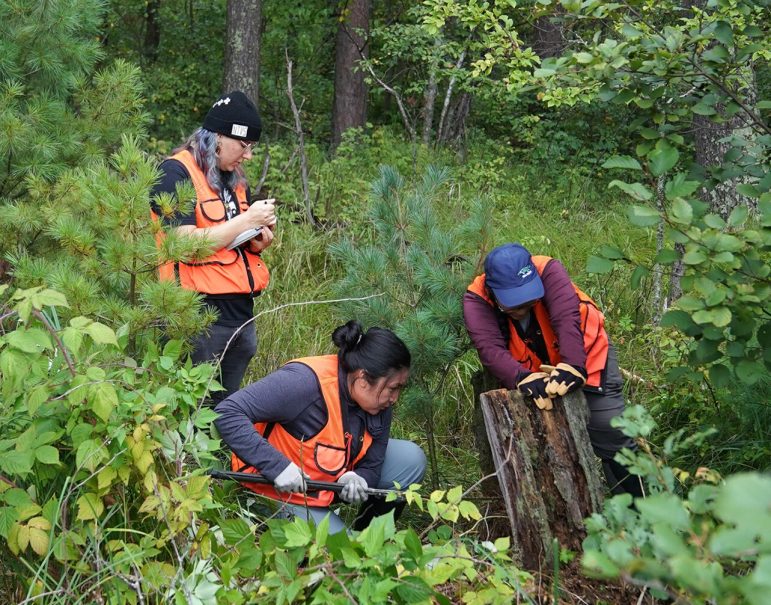
New research shows Anishinaabe fire practices shaped today’s Great Lakes ecosystems. The region’s forests never existed and can’t continue to exist without people – or fire.
The post Anishinaabe fire practices shaped Great Lakes ecosystems, new research shows first appeared on Great Lakes Echo.
By Isabella Figueroa Nogueria
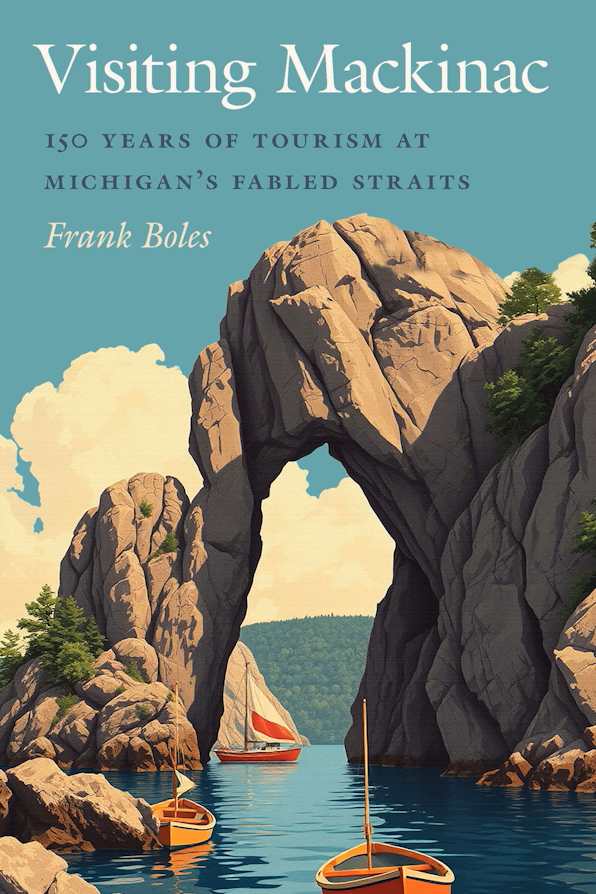
Frank Boles, a retired Central Michigan University historian, has spent decades documenting Michigan’s past. His latest book, “Visiting Mackinac: 150 Years of Tourism at Michigan’s Fabled Straits,” explores how Mackinac Island and the surrounding Straits region became a hub for travelers from across the country.
The