The bipartisan Congressional Great Lakes Task Force, state agencies in Illinois and Michigan, and environmental organizations have all sent requests to the U.S. Army Corps of Engineers to resume construction […]
Ann Arbor, Mich. – The Great Lakes Commission (GLC) has launched a new online resource that allows users to quickly check state and federal regulations before buying or
Invasive carp sampling crews have removed several hundred small silver carp from the Marseilles Pool of the Illinois River, about 80 miles from Lake Michigan. The 4-to-6-inch fish were discovered […]
A local effort to control the spread of invasive water chestnut along the St. Lawrence River is showing progress, but officials say the plant remains a concern and residents of […]
By Bauyrzhan Zhaxylykov
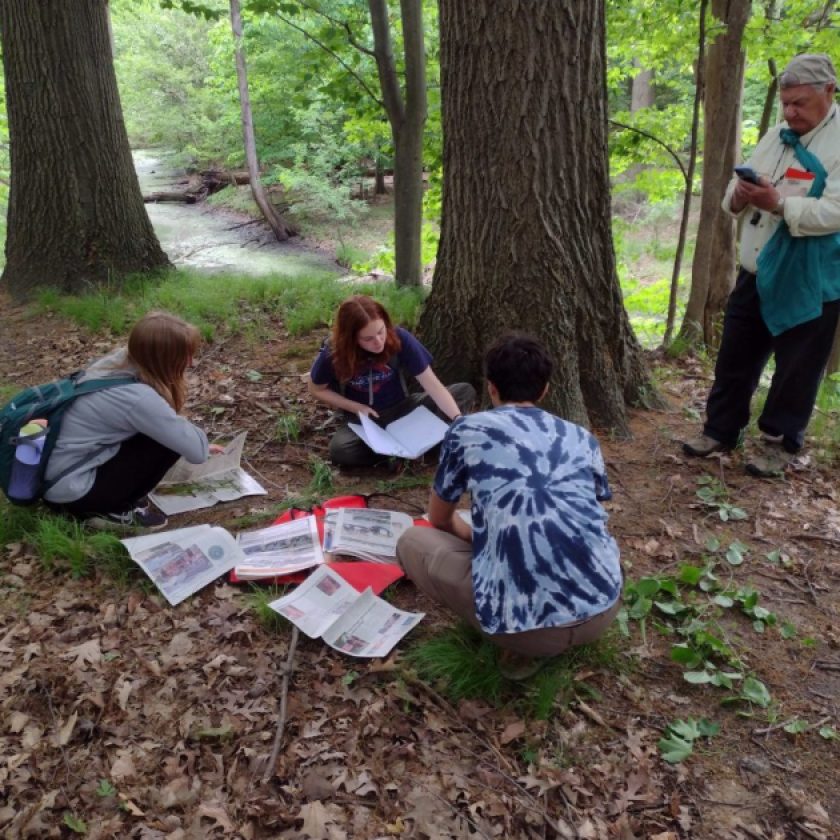
Surrounded by busy roads, neighborhoods and businesses, Ken-O-Sha Park doesn’t look like one of Michigan’s most valuable forests. But a new study found the 100-acre park in Grand Rapids is home to one of the state’s highest-quality remaining forests.
By Kyrmyzy Turebayeva
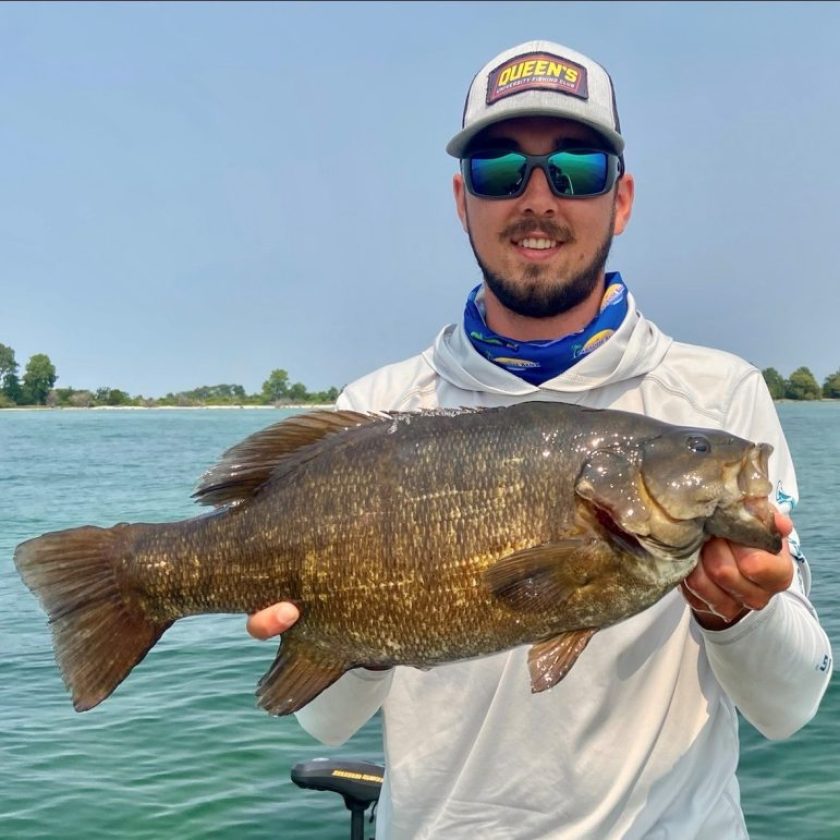
A new study based on data from competitive angling events in the Great Lakes found that more than 20% of black bass weighed-in at these events are over 10 years old.
Water chestnut, an invasive plant species, is choking waterways along Lake Ontario, spreading faster than officials and boaters can remove it. Read the full story by WHEC-TV – Rochester, NY.
By Domonic Marroni
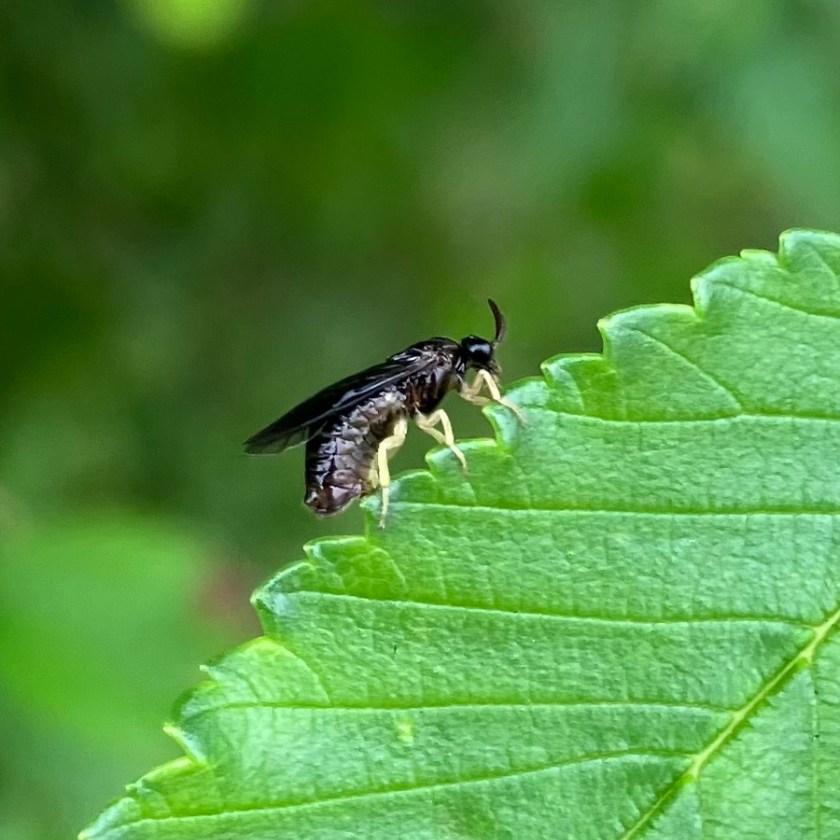
In Ann Arbor, Michigan, Skyline High School's natural areas are home to several species of invasive plants causing widespread destruction of surrounding trees. These species pose potential fire hazards and are dangerous to public health. Action is needed, say several environmental experts, to avert future disasters and
As part of the annual Great Lakes Landing Blitz education campaign at boat launches across the region, boaters and anglers are being urged to help stop the spread of aquatic […]
By Anna Barnes
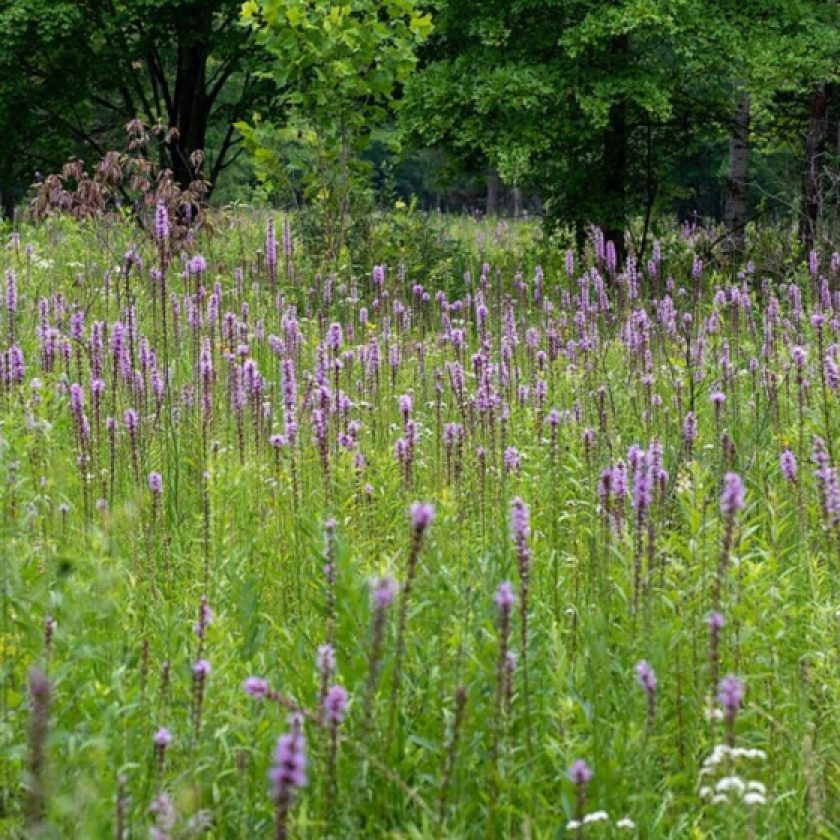
In Michigan, sugar maple populations are rising and eastern redbud trees are making their way north, while coniferous trees, like the black spruce, continue to decline. One suspected cause: climate warming.
A retired Great Lakes Michigan Department of Natural Resources research vessel tells the story of the Great Lakes’ struggle to overcome decades of overfishing and the introduction of invasive species. […]